
A failing heating or cooling system quickly disrupts comfort inside any home. Many homeowners only notice issues when rooms feel uneven or energy bills spike. These situations often point to underlying HVAC repairs that have been building over time. Small faults rarely stay isolated and often spread across connected system components. Understanding common HVAC repair issues helps homeowners respond with clarity and avoid expensive disruptions.
Why HVAC Systems Break Down
HVAC systems break down due to continuous use, environmental exposure, and gradual component wear. Daily operations place stress on moving parts, which lose efficiency over time. Dust, humidity, and airflow restrictions add pressure, weakening overall system performance. These combined factors often lead to HVAC repairs that homeowners could have reduced with consistent care.
Usage Strain on HVAC Components
Frequent system operation causes internal parts to wear down through heat and friction. Motors, belts, and compressors handle repeated cycles that increase mechanical stress. Over time, these components lose efficiency and struggle to maintain stable performance. This condition often leads to longer run times and higher energy consumption. Homeowners may notice reduced comfort without understanding the underlying cause. Addressing wear-related issues promptly helps prevent further system damage.
Lack of HVAC Maintenance Issues
Poor maintenance allows dust and debris to build up within critical system components. This buildup restricts airflow, forcing the system to work harder than necessary. Filters that remain unchanged reduce efficiency and affect indoor air quality. This neglect creates strain that spreads across coils, fans, and sensors. Over time, these issues lead to more frequent HVAC repairs and reduced system lifespan. Regular upkeep helps maintain consistent performance and prevents avoidable breakdowns.
Common HVAC Repairs at Home
Common HVAC repairs address issues affecting airflow, temperature control, and system efficiency. These problems often begin with subtle symptoms before becoming more disruptive. Homeowners who recognize early warning signs can reduce repair costs and system downtime. Understanding these repair types helps maintain consistent indoor comfort and system reliability.
Refrigerant Leaks and Cooling Problems
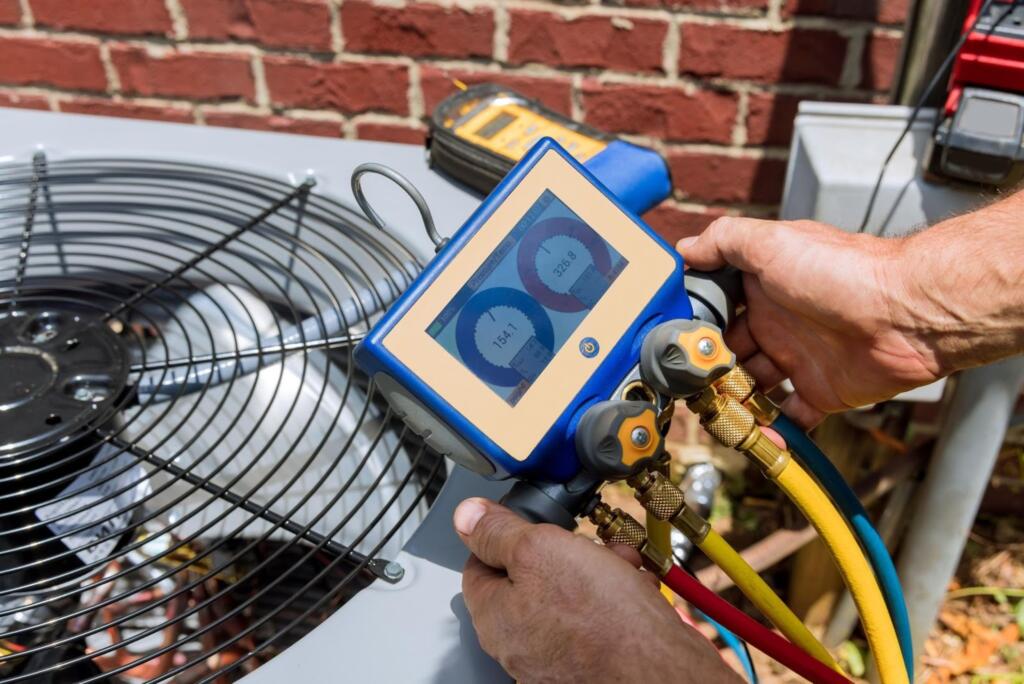
Refrigerant leaks reduce an air conditioner’s ability to cool indoor spaces effectively. This issue often leads to longer cooling cycles and uneven temperatures throughout the home. Homeowners may notice warm air coming from vents even when the system is running continuously. Low refrigerant levels can also cause ice buildup on evaporator coils. This condition increases strain on the compressor, which can fail if left unresolved. Professional technicians must locate and repair leaks before restoring proper refrigerant levels.
Thermostat Malfunctions and Errors
Thermostat problems disrupt communication between the HVAC system and temperature settings. Incorrect readings often cause systems to cycle too frequently or not enough. Wiring faults or calibration issues can prevent accurate temperature control. Smart thermostats may also experience software or connectivity problems that affect performance. This issue leads to inconsistent comfort across different areas of the home. Fixing thermostat errors restores proper system coordination and improves efficiency.
Clogged Air Filters and Airflow Issues
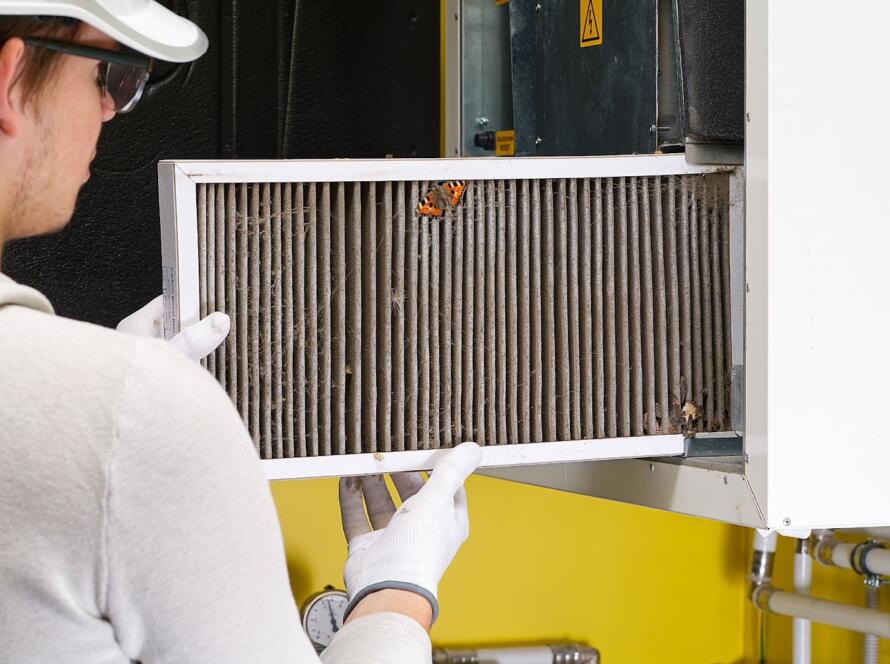
Clogged air filters restrict airflow, reducing system efficiency over time. This restriction forces the HVAC system to work harder to maintain desired temperatures. Homeowners may experience weak airflow or uneven cooling throughout rooms. Poor airflow also affects indoor air quality by allowing dust and pollutants to circulate. This condition increases wear on internal components and raises energy costs. Replacing filters regularly helps prevent unnecessary HVAC repairs and supports better performance.
Electrical HVAC Component Failures
Electrical failures can affect critical system functions and stop operations entirely. Faulty capacitors, relays, or wiring disrupt power flow within the system. Homeowners may notice sudden shutdowns or difficulty starting the unit. This issue can also create safety risks if left unresolved. Licensed technicians handle these repairs using proper tools and safety protocols. Addressing electrical problems quickly helps maintain system reliability and household safety.
Blower Motor and Fan Repair Needs
Blower motor issues reduce airflow and affect temperature consistency across living spaces. This problem often produces unusual noises such as rattling or grinding. Worn components within the motor can cause overheating and reduced efficiency. Homeowners may notice certain rooms receiving less airflow than others. This imbalance affects overall comfort and system performance. Repairing or replacing the blower motor restores proper air circulation.
Seasonal HVAC Repair Problems
Seasonal HVAC repair problems occur when systems face increased demand during extreme weather. Heating and cooling units operate longer during peak seasons, which increases wear on components. These conditions often expose hidden issues that remained unnoticed during milder periods. Understanding seasonal repair trends helps homeowners prepare for system demands throughout the year.
Summer HVAC Cooling System Issues
Cooling systems often struggle during hot months due to extended operation and high demand. Air conditioners may become less efficient as outdoor temperatures continue to rise. This strain can lead to refrigerant problems or compressor wear. Homeowners may notice reduced cooling performance during peak heat periods. Dirty coils and restricted airflow can worsen these issues quickly. Regular maintenance helps reduce strain and maintain consistent cooling.
Winter Heating Repair Concerns
Heating systems are heavily used during colder months, when indoor warmth is needed. Furnaces may develop ignition problems or fail to produce steady heat. Components such as burners and heat exchangers can wear down over time. This condition often leads to uneven heating across different areas of the home. Thermostat issues may also affect system coordination during colder periods. Addressing these concerns helps maintain reliable heating performance.
Signs You Need HVAC Repairs
Signs of HVAC repairs appear through changes in performance, efficiency, and system behavior. These indicators help homeowners detect issues before systems stop working completely. Paying attention to these warning signs reduces the risk of more complex damage. Recognizing these signals allows for timely HVAC repairs and improved system reliability.
Unusual HVAC Noises and Odors
Strange noises often signal internal components struggling or failing within the system. Grinding or banging sounds suggest loose or worn mechanical parts. Burning odors may indicate electrical issues or overheating components. This situation requires immediate attention to prevent further damage or safety risks. Continued operation under these conditions can worsen system performance. Professional inspection helps identify and resolve the root cause effectively.
Uneven Temperatures and Weak Airflow
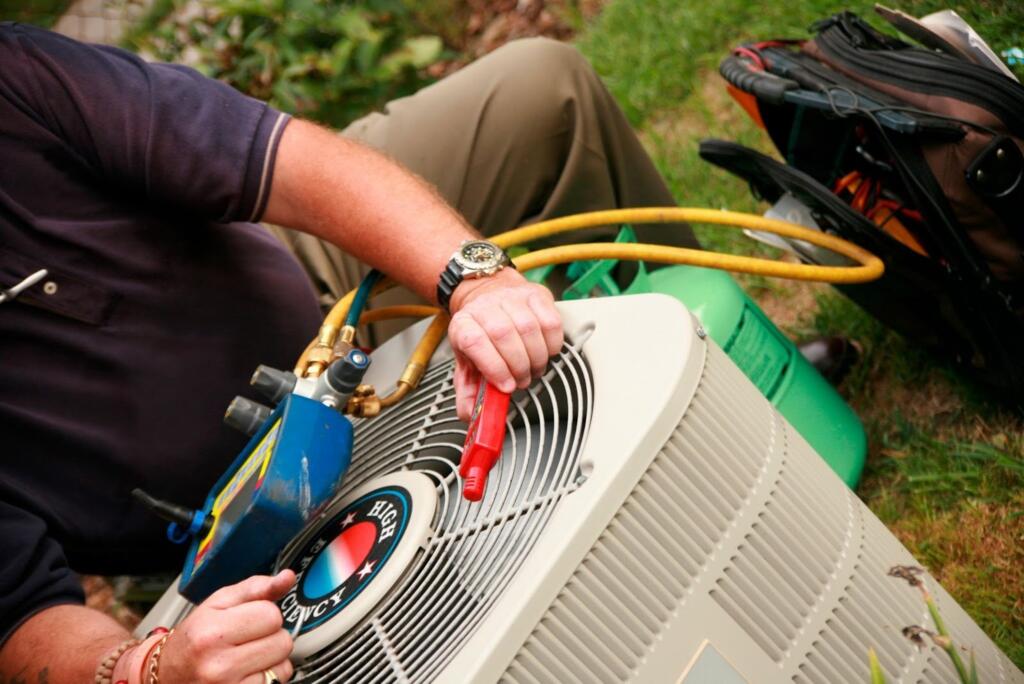
Inconsistent temperatures across rooms often point to airflow or system performance issues. Some areas may feel warmer or cooler despite stable thermostat settings. Blocked ducts or failing components can restrict proper air distribution. Weak airflow reduces comfort and forces the system to work harder. This strain increases energy consumption and accelerates component wear. Addressing these issues improves comfort and system efficiency.
Rising Energy Bills From HVAC Issues
Higher energy bills often reflect reduced HVAC efficiency and hidden strain on the system. Systems that work harder consume more power to maintain indoor comfort. This increase may result from clogged filters, refrigerant issues, or worn components. Homeowners may not notice performance changes until costs begin rising steadily. Monitoring energy usage helps detect inefficiencies early. Resolving these problems restores efficiency and controls expenses.
Preventing HVAC Repairs With Maintenance
Preventive maintenance reduces the likelihood of frequent HVAC repairs and system failures. Regular care helps maintain efficiency and extends the lifespan of system components. Homeowners who follow maintenance routines experience fewer disruptions and lower repair costs. This approach supports consistent indoor comfort year-round.
Routine HVAC Inspections And Servicing
Routine inspections allow technicians to identify issues before they develop into costly repairs. During service visits, professionals check key components for wear and proper function. This process includes cleaning coils, checking airflow, and testing system controls. These steps help maintain consistent system performance and reliability. Regular servicing reduces the risk of unexpected breakdowns. It also keeps HVAC repairs manageable and less disruptive.
Simple Homeowner HVAC Care Tips
Basic maintenance tasks help homeowners support system performance between professional visits. Replacing air filters regularly improves airflow and reduces strain on components. Cleaning vents prevents dust buildup that can restrict air circulation. This habit also improves indoor air quality and overall comfort. Monitoring system performance helps detect changes before problems worsen. Consistent care reduces the need for frequent HVAC repairs.
When To Call HVAC Repair Experts
Professional HVAC repair services handle complex issues that require technical knowledge and tools. Some problems involve electrical systems or refrigerant handling, which require trained technicians. Attempting these repairs without expertise can lead to further damage or safety risks. Knowing when to seek professional help protects both the system and the household.
Complex HVAC Repairs Need Experts
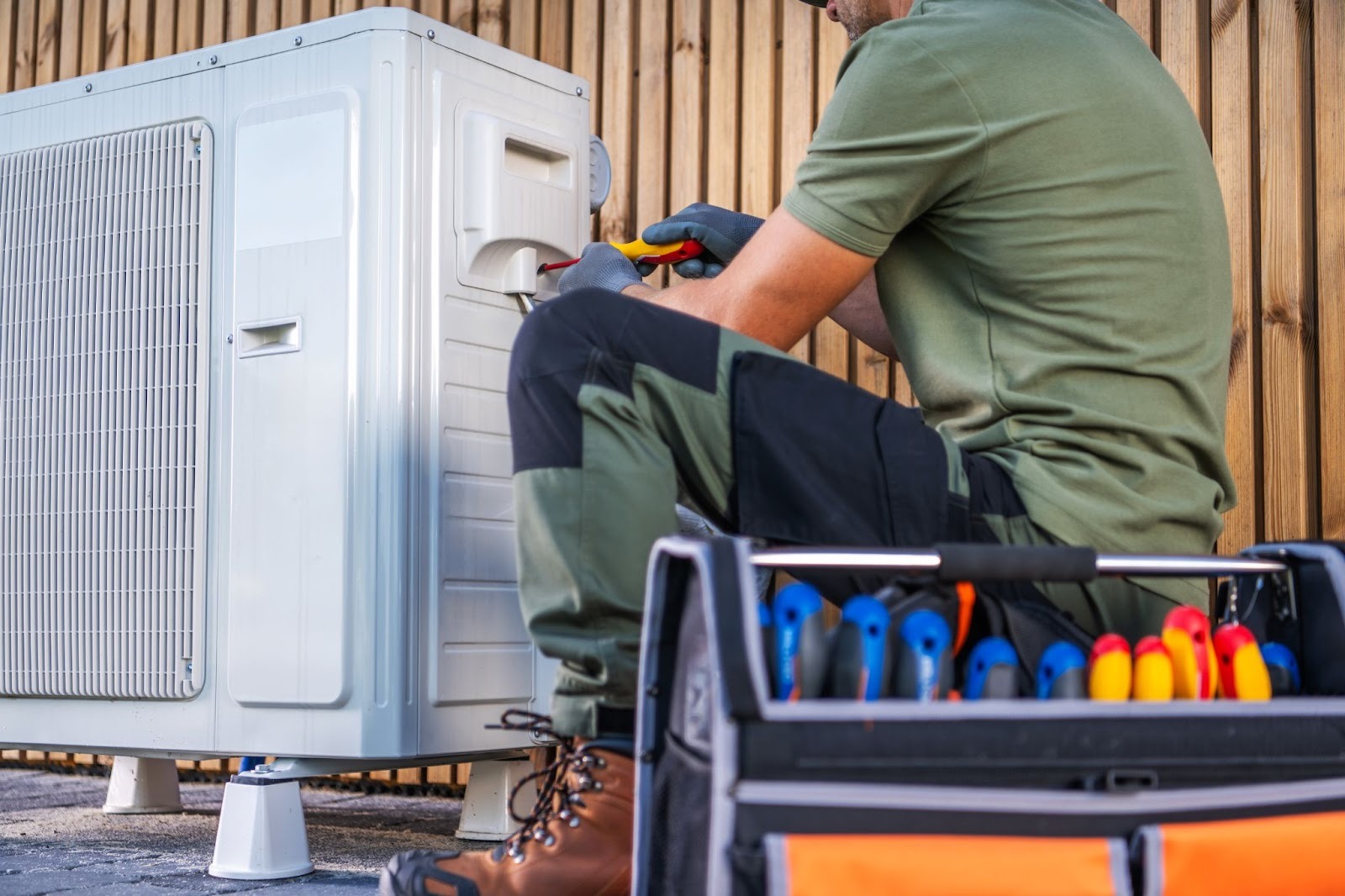
Complex HVAC repairs involve components that require specialized tools and training. Electrical faults and refrigerant issues cannot be handled safely without proper knowledge. Technicians follow industry standards set by organizations such as ASHRAE to maintain safety and performance. This approach helps identify related issues that may affect system reliability. Professional repairs often provide longer-lasting solutions than temporary fixes. This method keeps the HVAC system functioning efficiently over time.
Delayed HVAC Repairs Increase Costs
Delaying HVAC repairs allows minor issues to develop into more extensive system damage. A small fault can spread across components, affecting overall performance. Systems under strain often consume more energy and operate less efficiently. This condition increases both repair costs and monthly energy expenses. Addressing problems promptly helps reduce long-term costs and system wear. Timely repairs keep the system reliable and cost-effective.
Manage HVAC Repairs Before They Escalate
Unchecked HVAC repairs can quickly disrupt comfort and strain your system beyond normal limits. Small performance changes often signal deeper issues that demand attention sooner rather than later. Homeowners who respond promptly reduce long-term expenses and avoid sudden system failures. Consistent awareness and timely action help maintain reliable heating and cooling year-round. Staying proactive with HVAC repairs keeps your home comfortable while preventing unnecessary stress and costly setbacks.
Get clear answers and practical insights on HVAC repairs at the Principe Heating & Cooling blog, where real homeowner concerns meet expert guidance.