
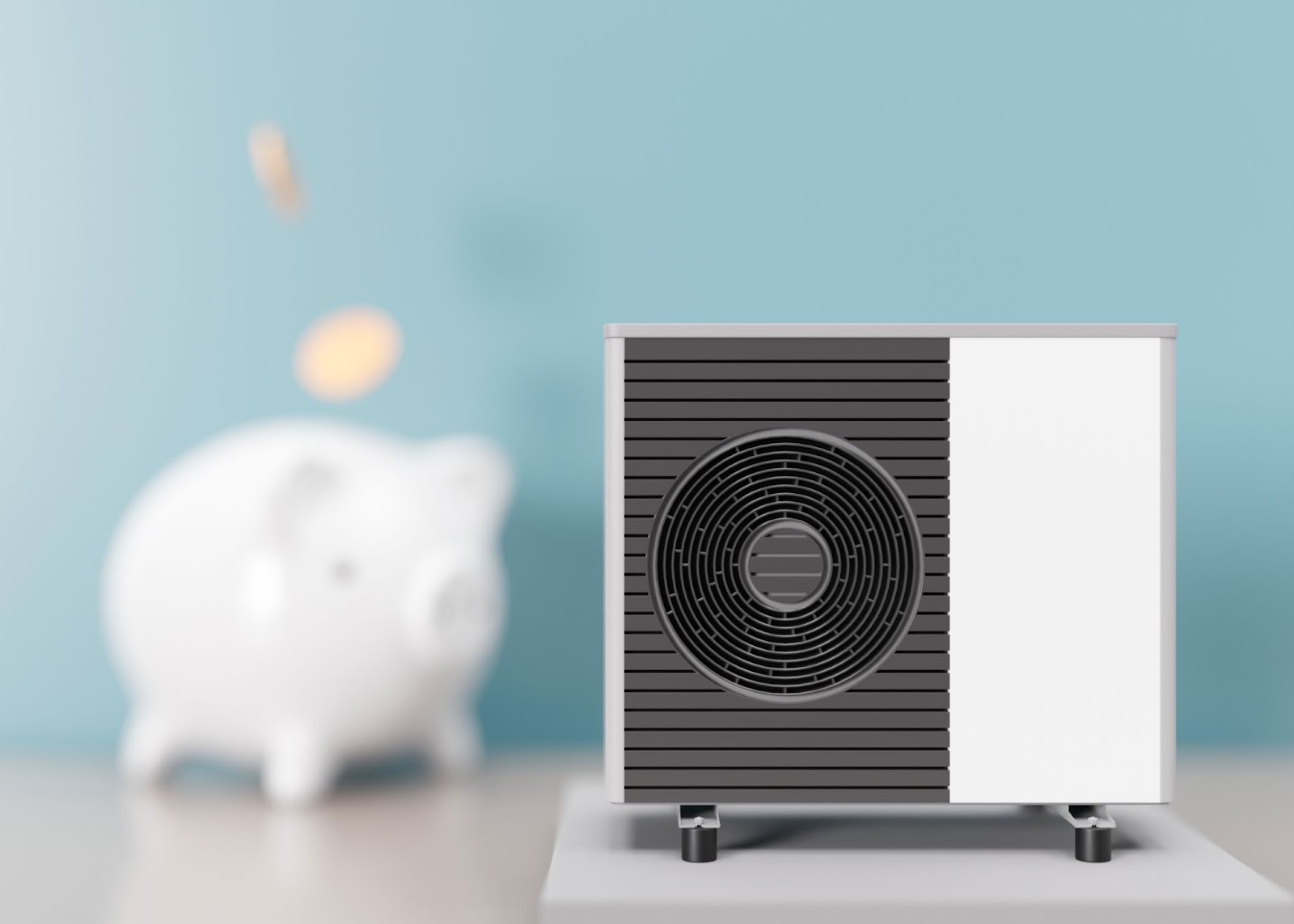
Homeowners often deal with rising energy bills and inconsistent indoor comfort year-round. Many begin searching for efficient systems that can heat and cool without high costs. A heat pump offers that balance, but the pricing for installation can feel unclear at first glance. Costs shift based on system type, home condition, and labor requirements in your area. Understanding the cost of heat pump installation gives you control when planning your next home upgrade.
Heat Pump Installation Cost Basics
Heat pump installation cost refers to the total expense of equipment, labor, and setup. This pricing structure includes system design, materials, and adjustments inside your home. Costs vary because each home has different heating and cooling demands. Understanding these basics helps you avoid confusion and plan your budget with clarity.
What a Heat Pump System Includes
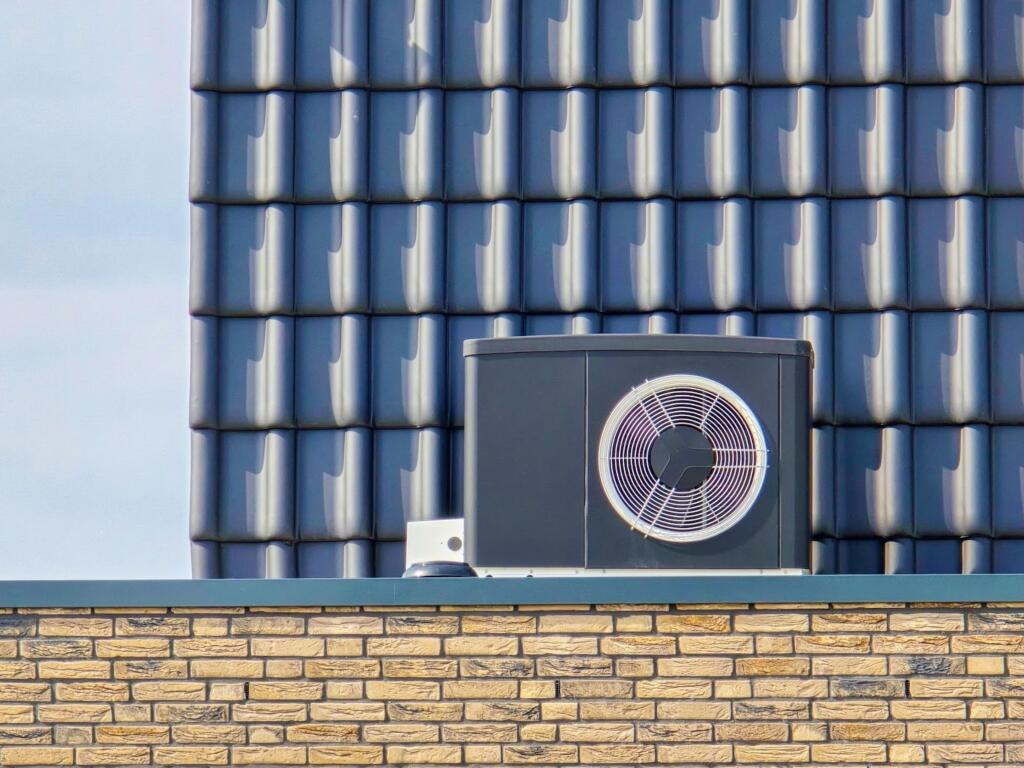
A heat pump system includes indoor and outdoor units that efficiently transfer heat. The outdoor unit captures or releases heat depending on the season. The indoor component distributes air through ducts or wall-mounted units. Additionally, the system includes temperature-regulation controls, such as thermostats. Installation also requires refrigerant lines, wiring, and mounting hardware. Each component affects performance and contributes to the total installation cost.
Why Costs Vary by Home Conditions
Installation cost changes based on your home’s layout and existing systems. Older homes often need upgrades before installing modern heat pumps. Limited access or tight spaces can increase labor time and complexity. Additionally, insulation quality affects the required system size and type. Homes with irregular layouts may require zoning to achieve balanced airflow. These conditions directly influence the final installation price.
Average Heat Pump Installation Prices
Average heat pump installation prices vary widely depending on system type. This cost range helps homeowners set realistic expectations before requesting quotes. Prices differ by region due to labor rates and local demand. Knowing these averages helps you compare estimates with greater confidence.
Typical Installation Cost Range
Most installations range from moderate to higher investment levels, depending on complexity. Basic systems cost less because they require simpler installation work. High-efficiency systems cost more due to advanced technology and materials. Labor accounts for a large portion of total expenses. Larger homes need stronger systems, which raises equipment costs. These pricing patterns help homeowners understand what influences total investment.
Host Differences by Heat Pump Type
Heat pump types affect installation cost due to design and complexity. Air-source systems usually cost less and are easier to install. Ground-source systems cost more because they require excavation work. Ductless mini-split systems vary based on the number of indoor units installed. Additionally, climate conditions influence which system performs best in your area. Choosing the right type balances upfront cost and long-term efficiency.
Factors That Affect Installation Cost
Several factors determine how much you will pay for installation. This cost structure reflects both the system and the work required to install it. Each factor adds to or reduces the total project expense. Understanding these elements helps you plan more accurately.
Home Size and Layout Impact Cost
Home size directly affects the heat pump’s required capacity. Larger homes need stronger systems, which increases equipment costs. Layout also affects how easily air circulates throughout the space. Multi-level homes often require additional components for proper airflow. Irregular layouts may require zoning systems for efficiency. These structural details increase both labor and material costs.
Existing HVAC System Condition Matters
Existing HVAC systems can either reduce or increase installation effort. Homes with usable ductwork may lower installation costs. However, damaged ducts often require repairs or full replacement. This duct condition affects airflow and system efficiency. Removing outdated systems adds labor time and expense. A proper inspection reveals what upgrades your home may need.
Labor Costs and Regional Pricing Trends
Labor costs vary depending on your location and contractor experience. Urban areas often have higher service rates than smaller communities. Skilled installers may charge more but deliver better long-term results. Additionally, seasonal demand can increase installation prices during peak periods. Local permits and inspection fees also add to the total cost. These pricing trends shape your overall investment.
Heat Pump Types and Cost Comparison
Heat pump types differ in installation complexity and total cost. This comparison helps homeowners choose systems that match their needs and budget. Each type offers distinct benefits and efficiency levels. Understanding these options supports better decision-making.
Air Source Heat Pump Cost Overview
Air-source heat pumps transfer heat between indoor and outdoor air. This system type remains the most common due to its affordability. Installation is simpler compared to other systems, which lowers labor costs. These systems work well in moderate climates. Maintenance remains manageable for most homeowners. This option provides a balanced mix of cost and performance.
Geothermal Heat Pump Cost Details
Geothermal heat pumps use underground temperatures for consistent heating and cooling. Installation requires drilling or excavation, which raises upfront costs. This system type offers excellent efficiency and lower operating expenses over time. Additionally, these systems often last longer than standard units. Energy savings can offset initial costs over several years. This investment suits homeowners seeking long-term value.
Ductless Mini Split Cost Breakdown
Ductless systems operate without traditional ductwork, making them flexible for many homes. This system setup uses multiple indoor units connected to one outdoor unit. Installation causes minimal disruption compared to ducted systems. Costs depend on how many indoor units your home requires. Each unit allows individual room temperature control. This flexibility improves comfort and energy efficiency.
What Installation Cost Covers in Detail
Installation costs cover more than just the heat pump unit itself. This pricing structure includes planning, labor, and supporting materials. Each stage contributes to system performance and reliability. Knowing what is included helps you understand the full value.
System Design and Planning Process
System design begins with assessing your home’s heating and cooling needs. Technicians calculate the correct system size for efficiency. This sizing process prevents energy waste and performance issues. Planning determines the best placement for system components. Proper design improves airflow and comfort throughout the home. This preparation stage supports long-term system reliability.
Equipment and Labor Cost Breakdown
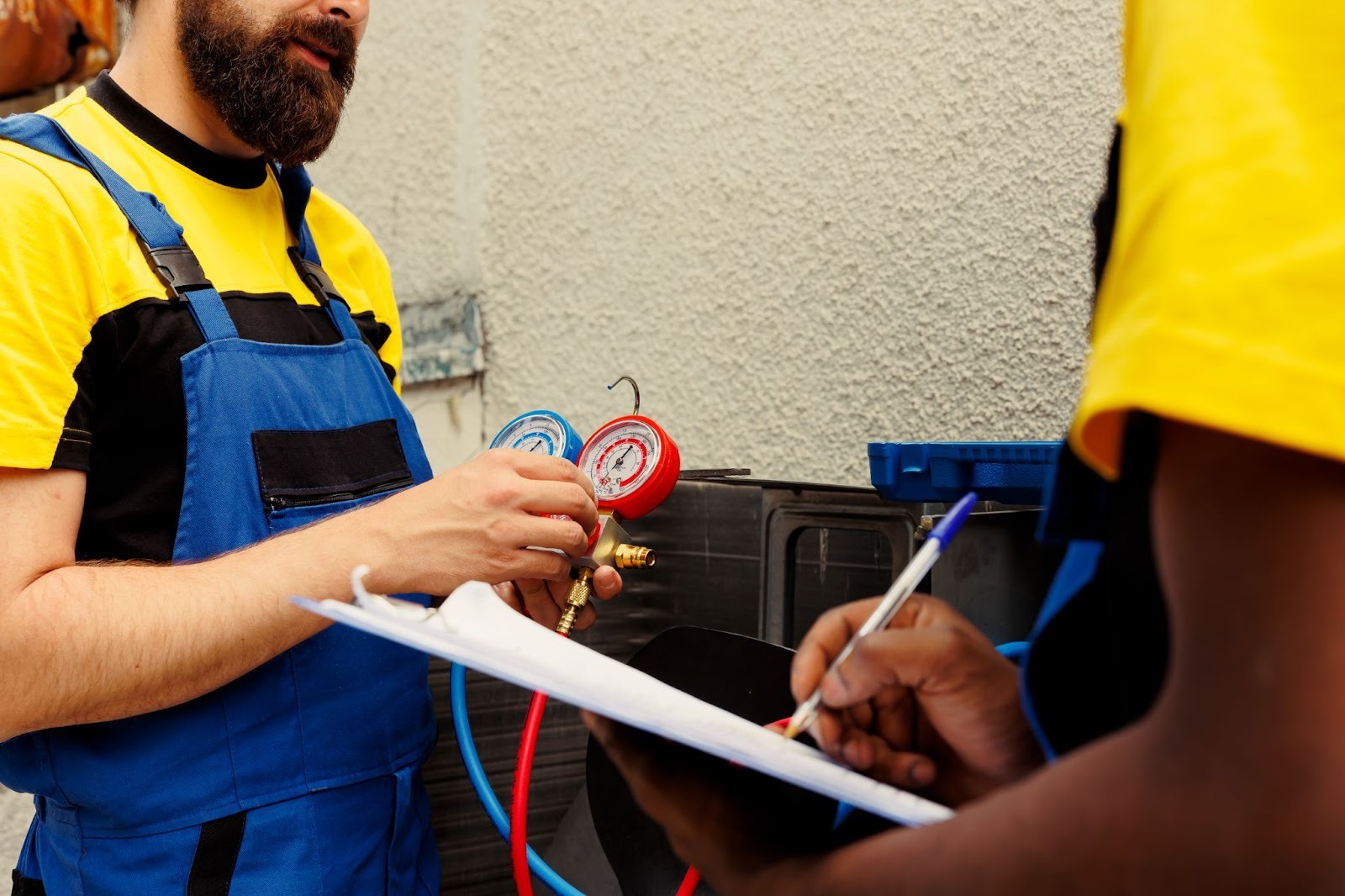
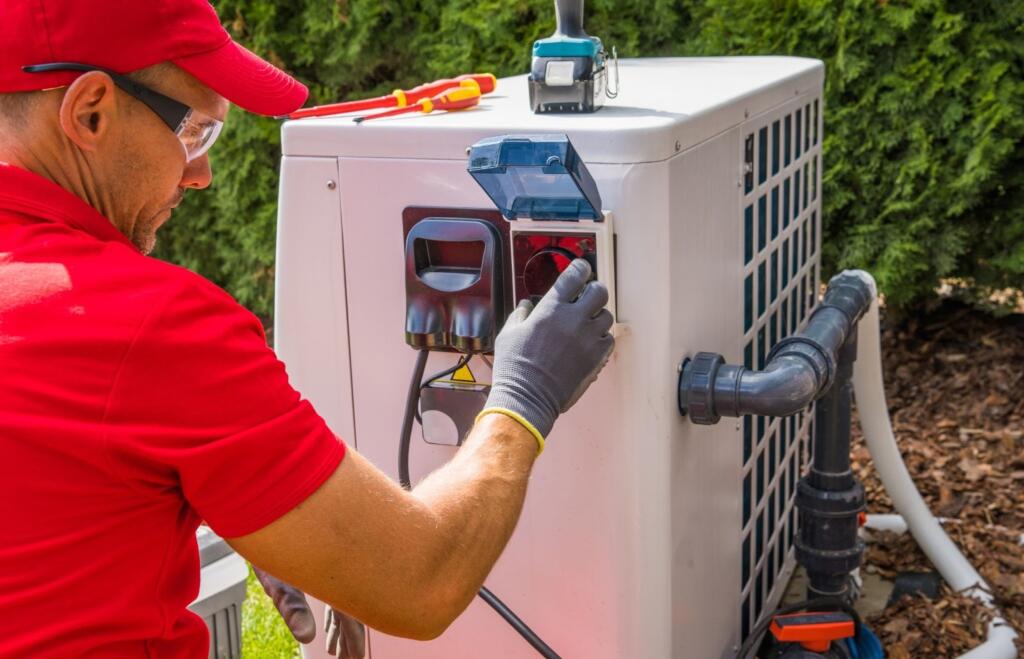
Installation cost includes equipment purchase and professional labor. Technicians handle mounting, wiring, and system calibration. This labor process also includes refrigerant setup and safety checks. High-quality materials may increase upfront cost but improve durability. Skilled labor reduces the risk of future repairs. This investment supports consistent and reliable system performance.
Hidden Heat Pump Installation Costs
Hidden costs refer to additional expenses not included in initial quotes. This cost category can increase your total investment if overlooked. Identifying these expenses helps you plan more accurately. Awareness reduces the chance of unexpected charges during installation.
Electrical Upgrades and Permit Fees
Electrical upgrades may be required to support a new heat pump system. This upgrade ensures the system operates safely and efficiently. Older homes often need panel or wiring improvements. Local permits are required before installation begins. Permit fees vary by location and regulations. This requirement adds to the overall installation cost.
Ductwork Repair or Replacement Costs
Ductwork condition affects system efficiency and installation complexity. Damaged ducts can reduce airflow and increase energy use. Repairing ducts improves system performance and comfort. In some cases, full replacement becomes necessary. Sealing ducts prevents energy loss over time. This upgrade increases upfront cost but improves efficiency.
Insulation and Efficiency Upgrade Costs
Insulation quality affects how hard your system has to work to maintain temperature. Poor insulation increases energy demand and operating costs. Improving insulation reduces strain on the heat pump system. Sealing air leaks improves indoor comfort. These upgrades may add to installation costs but reduce long-term expenses. This improvement supports improved energy efficiency and a longer system lifespan.
Ways to Reduce Installation Cost
Reducing installation cost involves planning and informed decision-making. This approach helps homeowners manage expenses without sacrificing performance. Several strategies can lower upfront costs while maintaining efficiency. Smart choices lead to better financial outcomes over time.
Rebates and Incentives for Heat Pumps
Rebates and incentives reduce the cost of energy-efficient systems. This financial support may come from government or utility programs. Many regions offer tax credits for qualifying heat pump installations. Incentives vary based on system efficiency ratings. Checking local programs helps you maximize available savings. This option makes installation more affordable for homeowners.
Choosing the Right System Size
System size affects both cost and performance of your heat pump. Oversized systems increase upfront cost and waste energy. Undersized systems struggle to maintain indoor comfort levels. Proper sizing balances efficiency and installation expense. Professional assessments help determine the correct capacity. This decision improves long-term system performance.
Comparing Quotes from Contractors
Comparing quotes helps you understand fair market pricing for installation. This process reveals differences in services and included materials. Detailed quotes provide transparency on the total project cost. Comparing options helps identify unreliable or overpriced offers. Choosing a reputable HVAC contractor improves the quality of the installation. This step supports better value for your investment.
Long-Term Value of Installation Cost
Long-term value reflects the savings and benefits gained after installation. This value helps offset the initial cost of a heat pump system. Efficient systems reduce energy use and monthly expenses. Evaluating long-term benefits provides a clearer picture of total investment.
Energy Savings Over System Lifespan
Heat pumps use energy more efficiently than traditional heating systems. This efficiency reduces monthly utility bills over time. Lower energy use also benefits the environment. Modern systems adjust output based on temperature changes. This feature improves comfort while maintaining efficiency. These savings accumulate and offset the installation cost.
Maintenance and Lifespan Considerations
Maintenance keeps your heat pump system operating efficiently over time. This upkeep includes regular inspections and minor adjustments. Heat pumps often last many years with proper care. Early maintenance prevents costly repairs later. Consistent servicing supports reliable system performance. This approach extends the lifespan of your investment.
Reduce Heat Pump Installation Cost Smartly
Heat pump installation cost becomes easier to manage when you understand where your money goes and what drives pricing. Clear planning, informed system choices, and the right installer can prevent costly missteps. Small decisions made now can shape your comfort, energy bills, and home value for years to come. Start evaluating your options with purpose, so your investment delivers real, lasting returns.
Find the details that matter most to your home. Read more on the Principe Heating & Cooling blog and plan your installation wisely.