

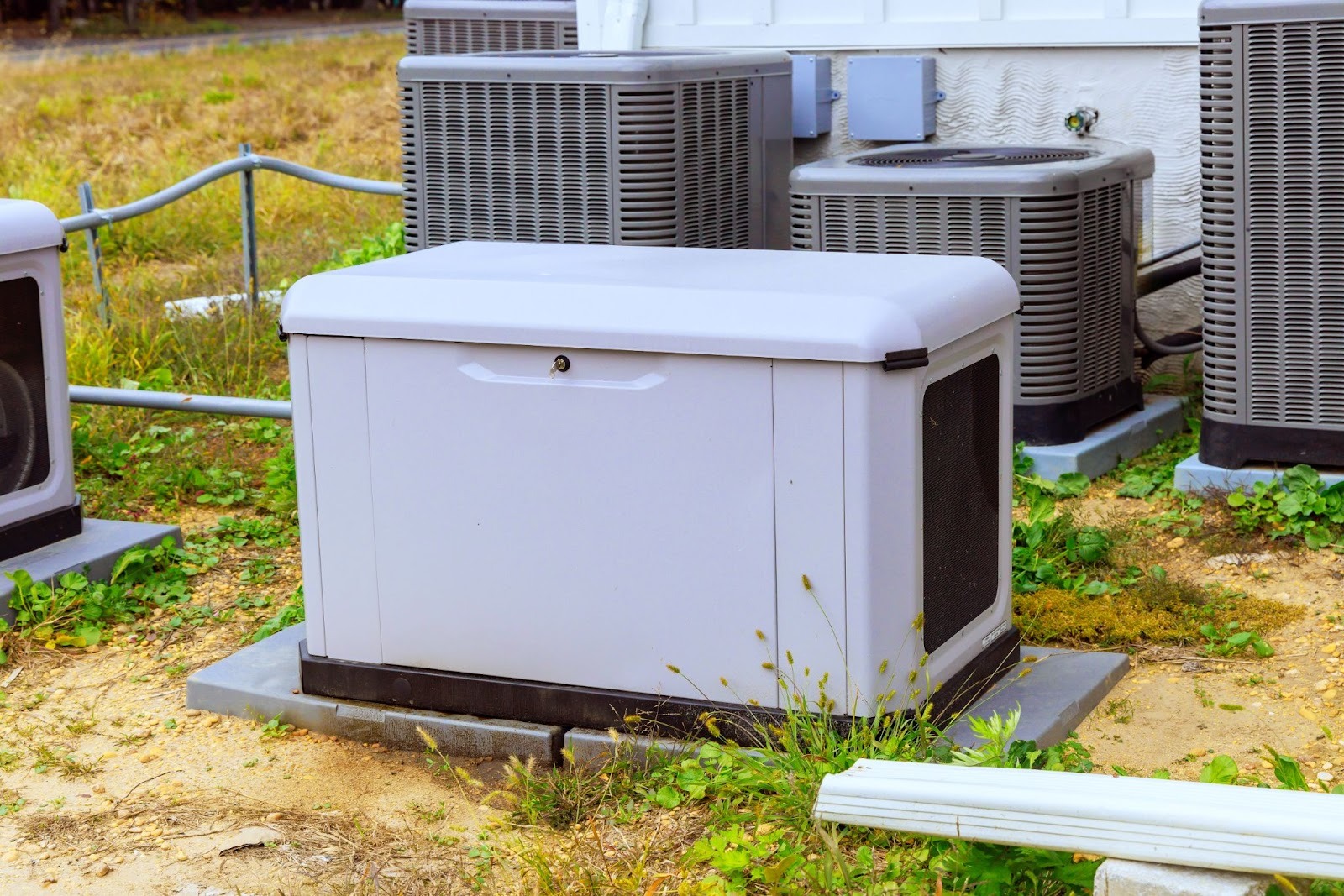
Power outages disrupt daily routines and quickly expose gaps in household preparedness. Lights fail, appliances stop, and comfort disappears within minutes. Homeowners often realize how much they depend on a steady supply of electricity during these moments. A reliable backup system restores control and protects essential functions during outages. A well-planned home generator installation offers stability that supports modern living demands.
Home Generator Installation Basics
Home generator installation connects a backup power system to your electrical panel. This setup allows selected circuits to receive electricity during outages without manual rewiring. It includes components such as a generator unit, a transfer switch, and a fuel source working together. This system design provides continuous power flow while maintaining safety and compliance with electrical standards.
What Home Generators Do for Homes
Home generators supply electricity when the main grid stops delivering power. They keep critical systems running, including refrigeration, lighting, and climate control equipment. This function prevents food spoilage and protects sensitive electronics from abrupt shutdowns. Households with medical devices gain dependable power during emergencies. This backup capability reduces stress during storms and grid failures. Over time, it supports a more secure and comfortable living environment.
Types of Generators for Home Use
Homeowners can choose standby, portable, or inverter generators based on their needs. Standby generators are permanently connected and automatically activate during outages. Portable units require manual setup but offer flexibility for temporary use. Inverter generators operate quietly and suit smaller power demands. This variety allows homeowners to match the generator type to their budget and usage. Understanding these options leads to smarter purchasing decisions.
Home Generator Installation Essentials
Power reliability shapes how comfortably a home functions during unexpected outages. A properly installed generator keeps essential systems active without interruption. Many homeowners consider backup power after facing repeated electrical failures. Understanding how installation works helps you make informed decisions before committing to a system.
Understanding Your Home’s Power Demand
Calculating power demand determines how much electricity your home needs during outages. This evaluation includes identifying essential appliances and their energy consumption. It helps prevent system overload and avoids unnecessary spending on oversized equipment. This planning step creates a balanced setup that supports daily needs without excess capacity.
How to Measure Power Load Needs
Power load measurement begins by listing appliances that must operate during outages. Each appliance has a wattage rating that contributes to total demand. This calculation includes both running watts and higher startup watts for certain devices. For example, refrigerators often require extra power during startup cycles. This detailed method improves accuracy and prevents performance issues. Accurate calculations support stable and consistent power distribution.
Selecting the Correct Generator Size
Generator size must match your calculated power requirements to perform effectively. A smaller unit may struggle and fail to support essential systems. A larger unit may unnecessarily increase fuel use and operating costs. This sizing decision affects efficiency and long-term reliability. Professional electricians often provide more precise assessments based on actual usage. This expert input reduces guesswork and improves system performance.
Core Parts of a Backup Power System
A backup power system includes several components that work together during outages. Each part plays a specific role in safely and efficiently delivering electricity. Understanding these components helps homeowners make informed installation decisions. This knowledge also improves communication with contractors during planning.
Transfer Switch and Panel Connection
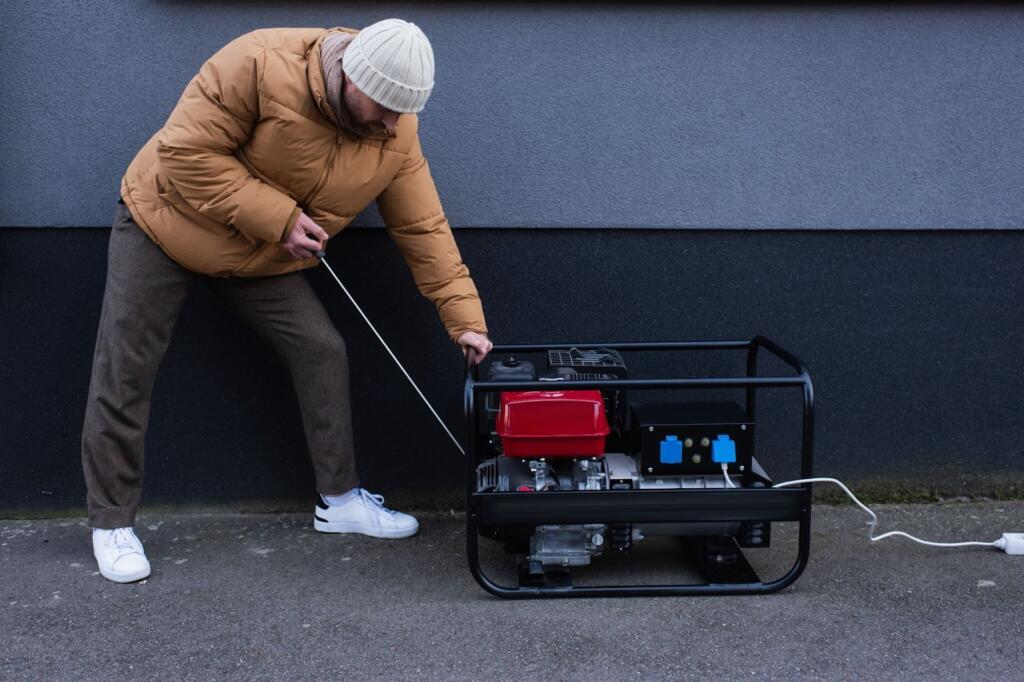
Transfer switches safely connect your backup system to the home’s electrical panel. They prevent electricity from flowing back into utility lines during operation. Automatic switches activate power immediately when outages occur. Manual switches require user action but cost less to install. This component protects both your home and external workers from electrical hazards. Proper installation ensures smooth, secure power transitions.
Fuel Options for Home Generators
Generators operate using fuels such as natural gas, propane, diesel, or gasoline. Natural gas offers convenience through direct connection to utility lines. Propane burns cleaner and stores well for extended periods. Diesel provides strong performance but may require more maintenance over time. This fuel choice affects cost, availability, and long-term efficiency. Selecting the right option depends on local supply and household preferences.
Safe Generator Placement Guidelines
Placement affects how safely and efficiently your generator operates. Units should remain outdoors in well-ventilated areas away from windows and doors. This positioning reduces the risk of harmful gases entering the home. Adequate spacing allows airflow and simplifies maintenance access. Local codes often define minimum distance requirements for installation. This careful placement improves safety and extends system lifespan.
Steps Involved in Setting Up a Generator
Setting up a generator follows a structured process that ensures safe operation. Each stage builds toward a fully functional and compliant system. Understanding these steps helps homeowners prepare for timelines and requirements. This awareness reduces delays and supports a smoother installation experience.
Site Prep and Permit Requirements
Site preparation begins with selecting a location that meets safety regulations. Contractors assess space, ventilation, and accessibility before installation. Permits confirm that the setup follows local building and electrical codes. This approval process protects homeowners from legal and safety issues. Skipping permits can lead to penalties or required corrections later. Proper preparation keeps the project organized and efficient.
Installation Timeline and Process
Installation starts with preparing a stable base for the generator unit. Technicians connect fuel lines and complete electrical wiring connections. The system integrates with the main panel through a transfer switch. This setup undergoes testing to confirm safe and proper operation. The timeline depends on system size and installation complexity. Clear expectations help homeowners plan around the process.
Why Hire Professional Installers
Professional installers bring technical knowledge and experience to the project. They handle wiring, placement, and system integration with precision. DIY installation may appear cost-effective, but it carries higher safety risks. Mistakes can result in system failure or hazardous conditions. This professional service often includes warranties and ongoing support. Hiring experts improves reliability and long-term performance.
Safety Rules and Local Code Awareness
Safety standards guide how backup systems should be installed and operated. Local codes exist to protect homeowners and utility workers from potential hazards. Following these regulations reduces risks and improves system reliability. This compliance also supports long-term performance and peace of mind.
Local Codes and Inspection Standards
Local regulations define requirements for electrical connections and system placement. These rules also cover fuel systems and operational safety measures. Inspections verify that installations meet required standards before use. This inspection process helps prevent unsafe setups and code violations. Licensed professionals understand these requirements and follow them carefully. Compliance builds confidence in system safety and performance.
Safe Generator Operation Tips
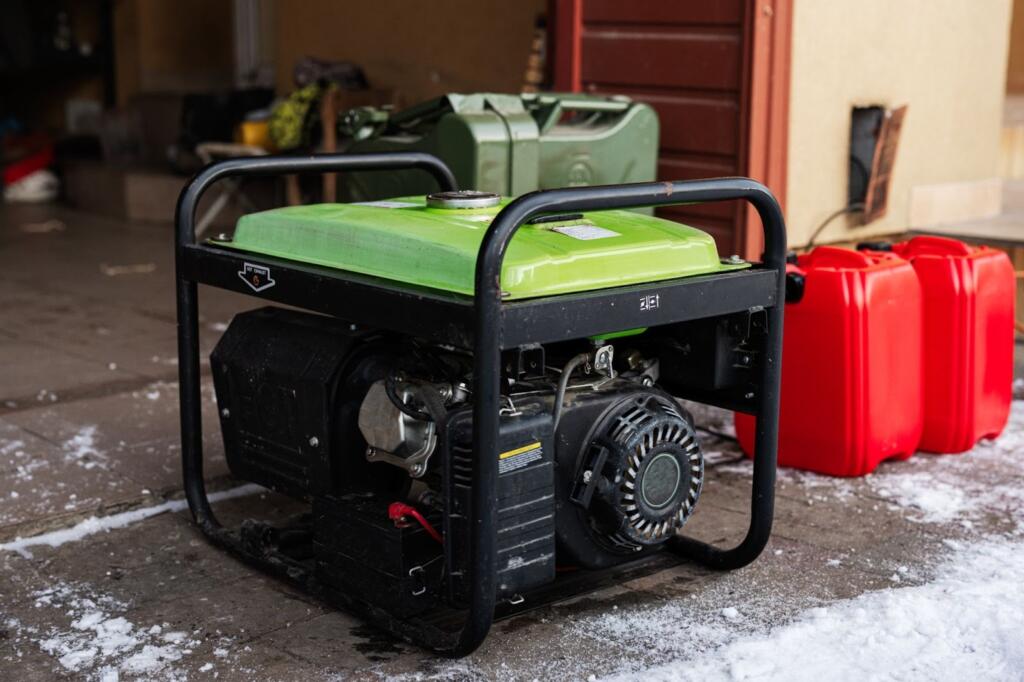
Safe operation requires proper ventilation and careful fuel handling practices. Generators must remain outdoors to prevent harmful gas buildup indoors. Regular inspections help identify potential issues before they worsen. This maintenance routine keeps the system ready during outages. Users should follow manufacturer guidelines for operation and servicing. Consistent practices reduce risks and extend equipment lifespan.
Generator Noise and Neighborhood Impact
Generator noise affects both your household comfort and the comfort of nearby properties. Standby units produce consistent sound during operation, especially during long outages. This factor often becomes noticeable only after installation. It can influence relationships with neighbors and compliance with local regulations.
How Loud Are Home Generators
Home generators typically produce noise levels similar to central air conditioning units. However, prolonged operation can make the sound more noticeable over time. This noise level depends on generator size, model, and placement. Some units include sound-reducing enclosures to limit disruption. Understanding these differences helps homeowners choose quieter options. This awareness improves both comfort and community harmony.
Ways to Reduce Generator Noise
Noise reduction starts with strategic placement away from shared property lines. Installing barriers or enclosures can effectively absorb sound. Landscaping elements, such as fences or shrubs, also reduce the spread of noise. This approach blends function with visual appeal. Choosing an inverter or low-decibel models further minimizes disturbance. These steps help maintain a quieter and more considerate environment.
Generator Backfeed and Grid Safety
Generator backfeed refers to electricity flowing into utility lines from your system. This issue can occur if a transfer switch is not properly installed. It creates serious risks for utility workers repairing power lines. This safety concern extends beyond your property and affects the wider electrical network.
What is Backfeed in Generators
Backfeed occurs when generator power flows into external power lines rather than staying within your home. This situation often occurs when systems lack proper isolation from the grid. Utility workers may assume lines are safe, thereby increasing the risk of electrical shock. This risk makes proper system design a critical part of installation. Transfer switches act as barriers that block electricity from leaving your home system. This protection keeps both your household and external workers safe.
How Transfer Switches Prevent Risks
Transfer switches control how electricity flows between your generator and the grid. They automatically or manually disconnect your home from utility lines during outages. This function prevents power from traveling outside your property. Without this device, even a small generator can create hazardous conditions. Licensed electricians install these switches in accordance with strict safety standards. This step reinforces compliance with electrical codes and reduces liability concerns.
What to Expect in Installation Costs
Installation costs depend on the system type, size, and the complexity of the setup. Expenses include equipment, labor, permits, and additional electrical work. Understanding these factors helps homeowners plan their investment effectively. This financial awareness reduces unexpected costs during the project.
Cost Breakdown for Installation
Costs include the generator unit and professional installation services. Standby systems generally cost more due to their complexity. Additional expenses may include electrical upgrades and fuel system connections. This cost structure varies based on home size and power needs. Higher-capacity systems often require more detailed installation work. Planning helps avoid financial surprises.
Maintenance and Operating Expenses
Ongoing expenses include maintenance tasks such as oil changes and inspections. Fuel costs also vary depending on generator type and usage frequency. This maintenance routine keeps the system running efficiently over time. Neglecting upkeep can lead to reduced performance and costly repairs. Regular servicing extends the lifespan of the equipment. Consistent care protects both reliability and investment value.
Install Your Home Generator With Confidence
Power outages do not wait for convenient timing, and preparation shapes how your home responds. A properly planned home generator installation supports daily comfort and keeps essential systems running. It also reduces stress during unexpected disruptions by providing reliable backup power. Working with a trusted generator contractor helps you get a system that fits your home and performs when you need it.
Explore more practical insights and expert tips on reliable home systems at the Principe Heating & Cooling blog.
