
Your home should feel safe the moment you walk inside. Yet indoor air often contains more pollutants than outdoor air, according to the Environmental Protection Agency. Dust, mold spores, pet dander, and chemical fumes circulate through vents every day. Over time, that exposure affects breathing, sleep quality, and HVAC performance. Professional air quality services offer homeowners a structured way to manage hidden risks and protect long-term comfort.
What Air Quality Services Cover
Air quality services include professional testing, cleaning, filtration, and ventilation improvements to improve indoor air quality. These services target pollutants that accumulate in modern, tightly sealed homes. Technicians assess airflow, moisture levels, and HVAC performance during a comprehensive evaluation, often alongside broader HVAC services to support overall system health. This professional approach provides data-driven solutions rather than guesswork.
Indoor Air Testing and Assessments
Indoor air testing identifies contaminants such as mold spores, volatile organic compounds, and fine particulate matter. Technicians collect samples and measure humidity to evaluate overall air conditions. This assessment process explains why symptoms like allergies or headaches persist indoors. Professionals then interpret the findings within the context of your HVAC system and home layout. Unlike store-bought kits, certified testing provides measurable and actionable results. Based on industry standards from organizations such as the EPA, these evaluations guide targeted improvements that protect your household.
HVAC Cleaning and Duct Services
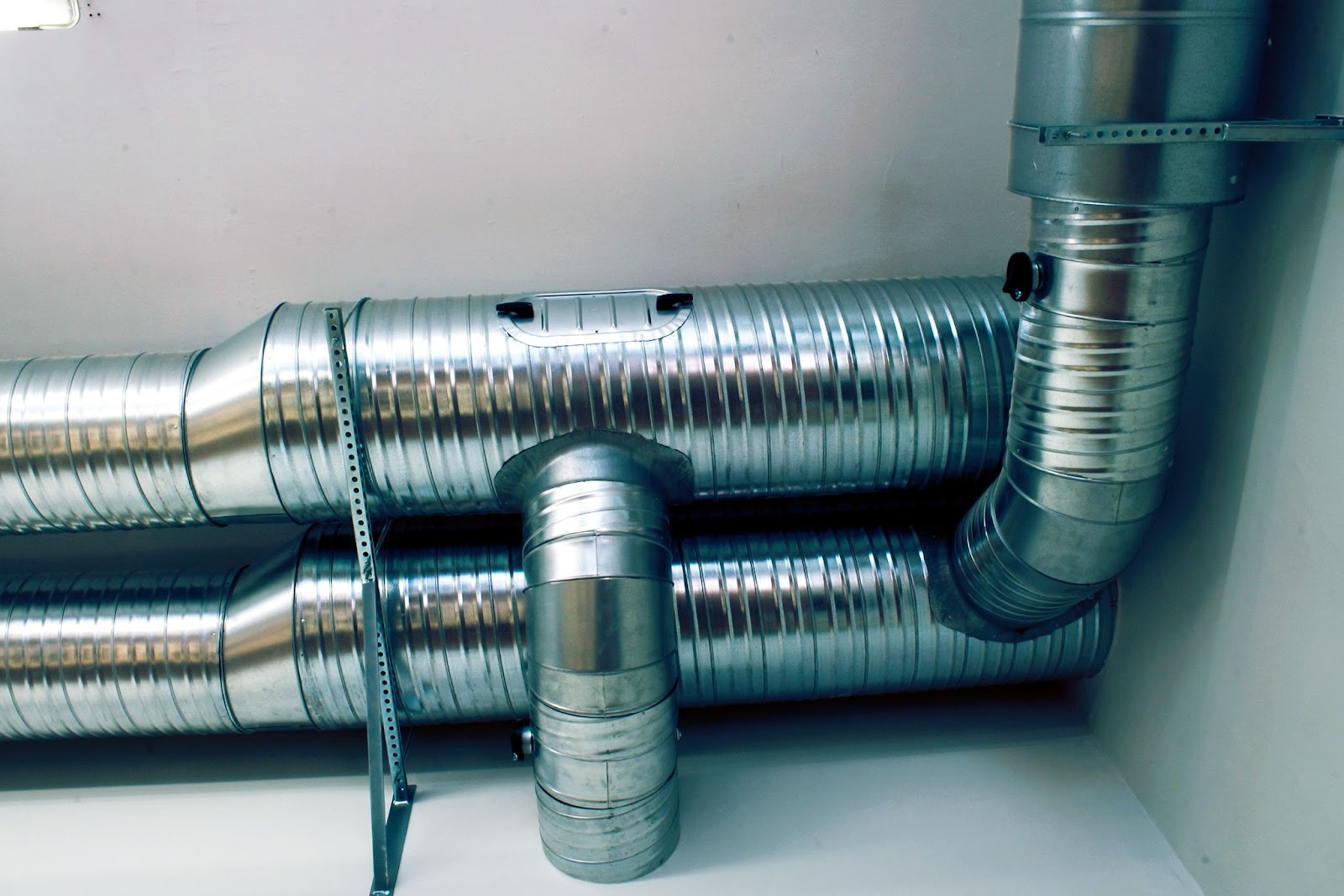
HVAC cleaning removes accumulated dust, debris, and allergens from ducts and system components. Your heating and cooling system circulates air continuously, which can spread contaminants if buildup occurs. This circulation pattern increases strain on motors and restricts airflow. Professional technicians clean coils, inspect seals, and replace filters as needed. As airflow improves, systems operate more efficiently and maintain balanced temperatures. Cleaner ducts also reduce the amount of airborne particles entering living spaces.
Air Filtration and Purifier Installation
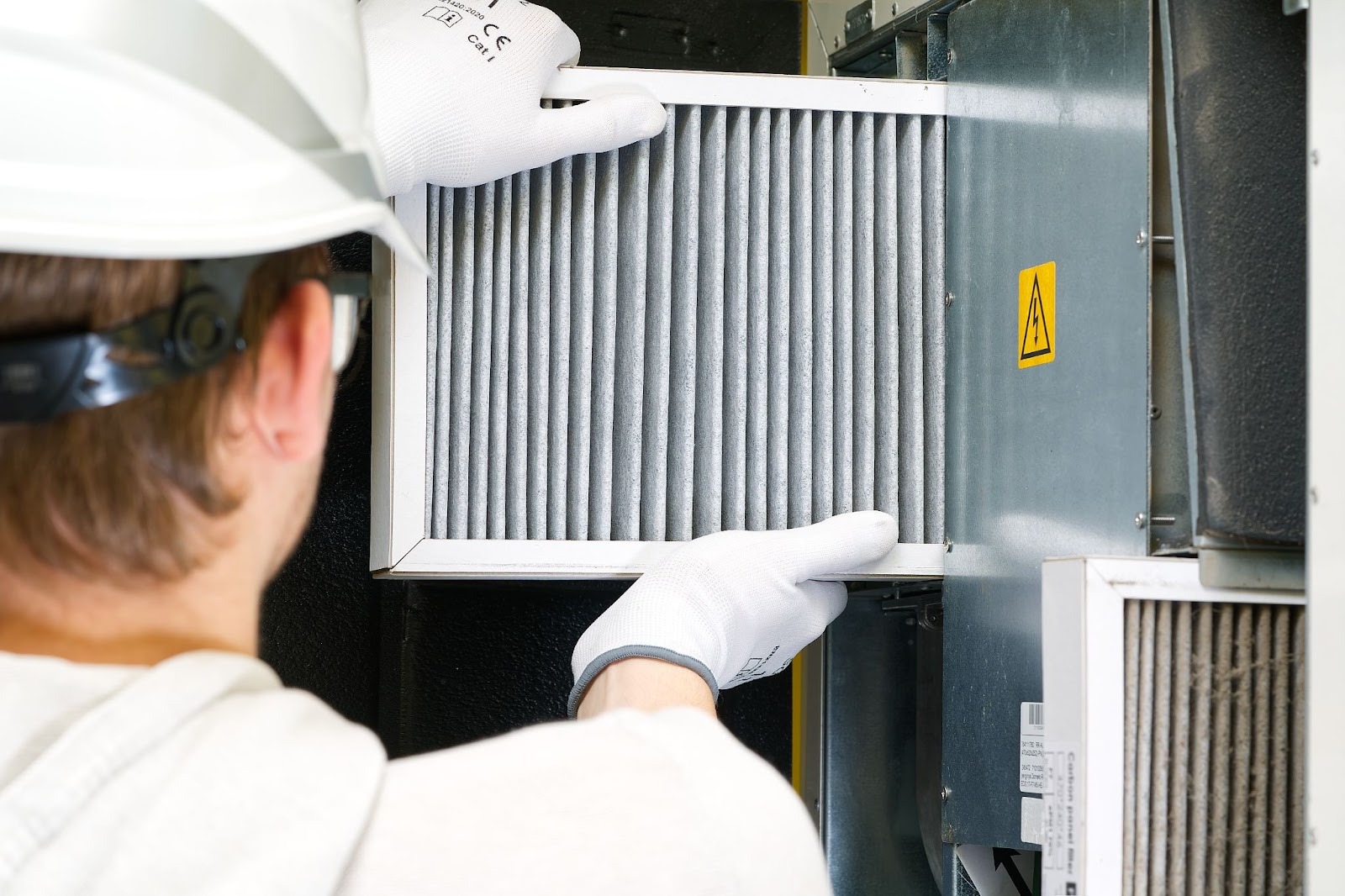
Air filtration upgrades capture microscopic pollutants that standard filters often miss. HEPA filters, which stand for high-efficiency particulate air filters, trap fine particles such as pollen and pet dander. This filtration technology works within your HVAC system to clean circulating air. Whole-home purifiers may also use UV light to reduce bacteria and mold growth. Technicians match equipment to square footage and household needs to prevent airflow restrictions. Proper installation supports consistent performance and cleaner indoor air quality throughout the home.
Moisture Control and Ventilation
Moisture control prevents mold growth and maintains comfortable humidity levels. Excess humidity encourages mold and dust mites, while dry air irritates skin and sinuses. This moisture imbalance often develops in basements, crawl spaces, or poorly ventilated rooms. Specialists evaluate airflow patterns and recommend dehumidifiers or improved exhaust systems. Balanced ventilation replaces stale indoor air with filtered outdoor air. Controlled humidity protects both structural materials and respiratory health.
How Climate Influences Indoor Air Quality
Your geographic location shapes indoor air challenges more than most homeowners realize. Humid regions face persistent mold risks. Dry climates struggle with airborne dust and low humidity irritation. Air quality services adapt strategies based on these environmental factors.
Humid Climates and Mold Pressure
Homes in coastal or southern regions often battle excess moisture. High humidity increases mold growth inside walls and ducts. Standard HVAC systems may not adequately control moisture. Air quality specialists install whole-home dehumidifiers when needed. Proper moisture balance reduces structural decay. Climate-aware services offer long-term stability.
Dry Climates and Airborne Irritants
Desert or arid areas experience elevated dust levels. Dry indoor air can worsen respiratory discomfort. Static electricity and cracked materials often signal a humidity imbalance. Whole-home humidifiers restore moisture to healthier levels. Enhanced filtration captures fine dust particles. Region-specific air quality solutions improve comfort year-round.
Health Benefits of Clean Indoor Air
Clean indoor air reduces exposure to irritants that affect daily well-being. Many homeowners notice symptoms without linking them to air quality. These symptoms often include congestion, fatigue, or frequent headaches. This section explains how professional air quality services support healthier living conditions.
Reduced Allergy and Asthma Symptoms
Air quality improvements lower the presence of common allergy triggers. Dust mites, pollen, and pet dander circulate easily without proper filtration. This constant exposure can worsen asthma and respiratory discomfort. Professional cleaning and filtration reduce airborne irritants at the source. Families often report easier breathing and fewer nighttime disturbances after service. According to public health data from the Centers for Disease Control and Prevention, reducing indoor pollutants supports better respiratory outcomes.
Mold Detection and Remediation
Mold detection identifies hidden growth before it spreads through ventilation systems. Mold spores thrive in damp areas and travel quickly through ductwork. This contamination can irritate the lungs and cause persistent odors. Certified HVAC technicians use moisture meters and air sampling to pinpoint affected areas. Remediation removes contaminated materials and addresses the underlying moisture source. This corrective action protects both indoor air and structural integrity.
Lower Exposure to Household Pollutants
Household activities release pollutants into enclosed spaces every day. Cooking fumes, cleaning chemicals, and new furniture emit volatile organic compounds. This chemical exposure can build up without adequate ventilation. Air purification systems reduce these contaminants and refresh indoor air. Improved airflow dilutes lingering fumes and removes fine particles. Consistent maintenance keeps pollutant levels within healthier ranges.
Indoor Air Quality and Cognitive Function
Indoor air quality directly affects concentration, mood, and productivity. Research from Harvard’s T.H. Chan School of Public Health shows that higher indoor pollutant levels reduce cognitive performance. Many homeowners focus on allergies but overlook mental clarity. This overlooked connection makes air quality services more relevant than most people realize.
How Carbon Dioxide Affects Focus
Carbon dioxide builds up in poorly ventilated homes. Even moderate increases can slow decision-making and reduce alertness. This buildup often occurs in home offices and bedrooms. Professional ventilation adjustments improve the exchange of fresh air. Balanced airflow reduces mental fatigue during long workdays. Cleaner air supports sharper thinking and sustained concentration.
VOC Exposure and Mood Stability
Volatile organic compounds come from paints, furniture, and cleaning supplies. Long-term exposure may contribute to headaches and irritability. Many homeowners mistake these symptoms for stress or lack of sleep. Air quality services identify VOC levels through professional testing. Targeted filtration systems then reduce airborne chemical concentrations. Improved indoor air quality may support a more stable mood and greater mental comfort.
Financial Value of Air Quality Services
Air quality services protect not only health but also household investments. Clean systems require fewer repairs and consume less energy. These improvements translate into measurable cost savings over time. This financial advantage makes professional air solutions a practical decision for homeowners.
Extended HVAC System Lifespan
Routine cleaning reduces mechanical strain on HVAC components. Dust buildup forces systems to work harder to maintain set temperatures. This added stress shortens equipment lifespan and increases repair frequency. Professional maintenance restores proper airflow and system balance. Technicians often identify minor wear before it becomes costly damage. Well-maintained systems operate longer and perform more reliably.
Improved Energy Efficiency
Energy efficiency improves when air flows freely through clean ducts and filters. Blocked airflow forces systems to run longer cycles, which raises utility bills. This inefficiency becomes noticeable during peak heating or cooling seasons. Air quality services correct airflow issues and seal duct leaks. Balanced humidity also reduces strain on heating and cooling equipment. Lower energy consumption helps offset service costs over time.
Increased Property Appeal
Homes with documented air quality maintenance attract informed buyers. Inspection reports frequently highlight HVAC condition and ventilation quality. This documented care demonstrates responsible homeownership. Buyers appreciate properties that require fewer immediate upgrades. Clean indoor air also improves first impressions during showings. Strong maintenance records can support higher resale value in competitive markets.
Everyday Comfort and Air Quality
Air quality services directly affect daily comfort and indoor air quality. Homeowners often notice stale odors or uneven temperatures first. These issues usually indicate airflow or contamination concerns. This section explains how professional solutions enhance everyday living.
Better Sleep and Odor Control
Cleaner air supports uninterrupted sleep and improved nighttime breathing. Dust and allergens often accumulate in bedrooms without proper filtration. This buildup contributes to congestion and restlessness. Air purification systems reduce airborne particles and freshen indoor air. Odor control also improves as filtration removes cooking and pet smells. Balanced humidity further enhances comfort by preventing dryness or dampness.
Safer Environment for Families
Children and pets spend more time close to floors and vents. This proximity increases exposure to settled dust and airborne irritants. Air quality services consistently reduce those contaminants. Professionals recommend filter types designed for households with pets or sensitivities. Regular inspections help maintain healthy indoor conditions throughout the seasons. Families gain confidence knowing their home supports cleaner breathing air.
When to Schedule Air Quality Services
Homeowners should consider air quality services when clear warning signs appear. Persistent dust, musty odors, or uneven airflow often indicate deeper issues. These symptoms rarely resolve without professional evaluation. This timely response prevents problems from growing more complex.
Signs of Airflow or Dust Issues
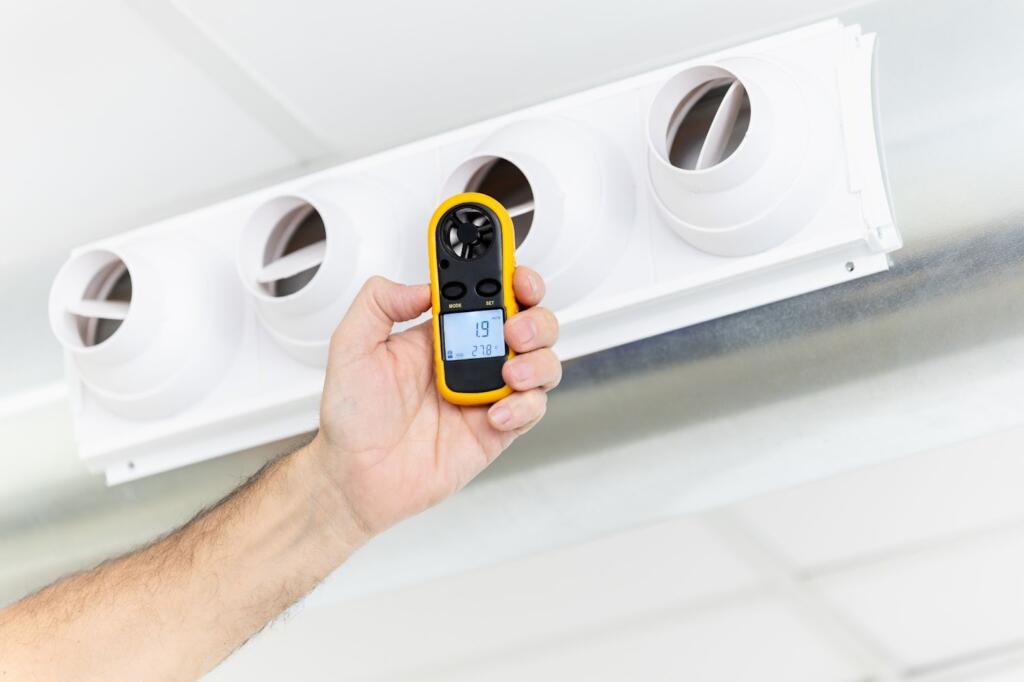
Visible dust buildup shortly after cleaning suggests duct contamination. Uneven temperatures between rooms point to an airflow imbalance. This imbalance often results from blocked vents or leaking ducts. Professional inspections measure airflow and identify restrictions. Technicians then clean or seal components to restore circulation. Corrected airflow improves comfort and reduces airborne debris.
Post-Renovation Air Concerns
Renovations release construction dust and chemical fumes into indoor air. New materials may emit gases for weeks after installation. This lingering contamination affects both air quality and HVAC performance. Professional post-renovation cleaning removes trapped debris from ducts. Technicians also replace filters and test ventilation efficiency. Clean systems help maintain a healthier indoor environment after remodeling.
Commit to Cleaner Living With Air Quality Services
Air quality services give homeowners measurable control over the air they breathe every day. Clean, balanced indoor air supports steady comfort, reliable HVAC performance, and healthier routines under one roof. Small improvements in filtration, ventilation, and moisture control create lasting protection for both property and well-being. Professional guidance replaces uncertainty with clear data and targeted solutions. Schedule a trusted air quality assessment and strengthen your home with cleaner, more dependable air.
Looking for trusted HVAC advice backed by experience? Explore the Principe Heating & Cooling blog for reliable answers and smart home solutions.