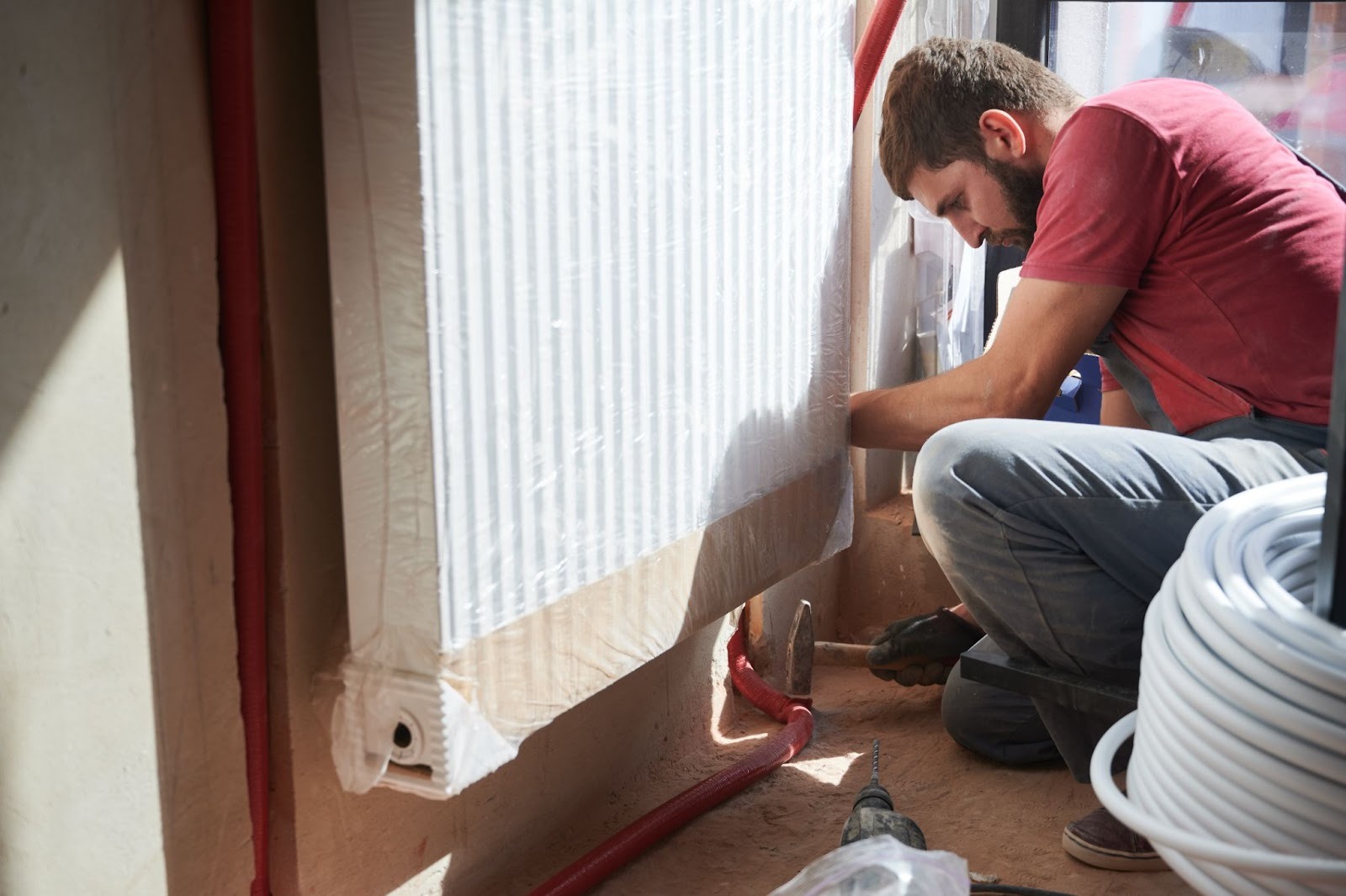

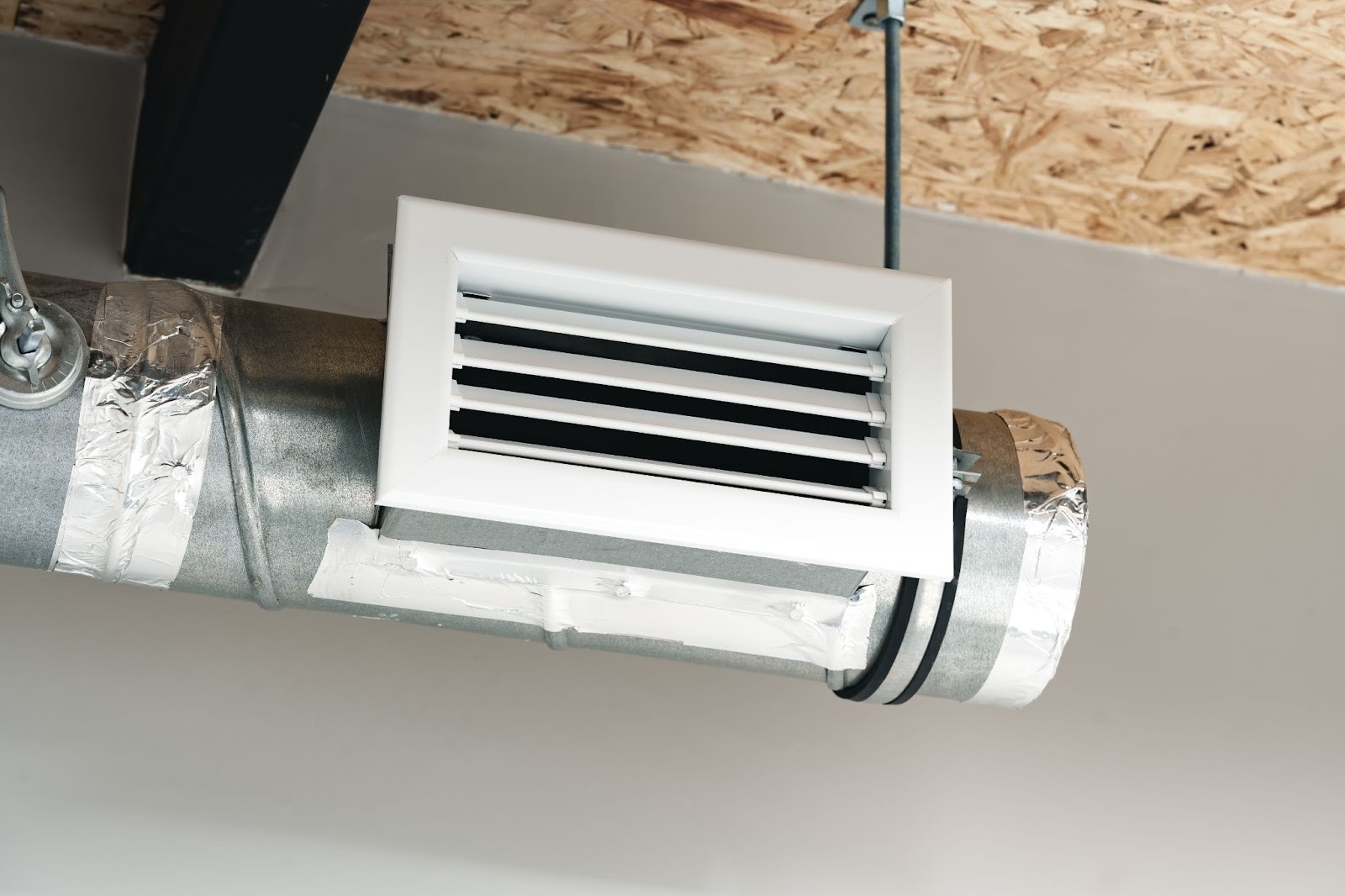
Homes today feel tighter, quieter, and more temperature-stable than older houses. That comfort often comes with stale air that lingers longer than expected. Cooking fumes, moisture, and daily pollutants remain trapped behind sealed walls and windows. Over time, that trapped air affects comfort, health, and the home’s aging. A heat recovery ventilation system restores steady airflow while protecting indoor temperatures and energy use.
What A Heat Recovery Ventilation System Does
A heat recovery ventilation system efficiently replaces stale indoor air with fresh outdoor air. This system captures heat from outgoing air and transfers it to incoming air. That process allows ventilation without sudden temperature drops. Homeowners gain cleaner air without relying on open windows or unpredictable weather.
How Heat Exchange Works Inside The System
The heat-exchange process moves air through separate channels within the unit. Warm indoor air transfers heat to cooler incoming air through a core. The air streams never mix, which protects indoor air cleanliness. This controlled exchange maintains stable temperatures during ventilation. Modern systems operate continuously at low speeds for consistency. That steady operation supports balanced air quality throughout the home.
Why Balanced Airflow Matters Indoors
Balanced airflow prevents pressure issues inside the home. Exhaust-only systems pull air from unintended gaps. That imbalance draws pollutants from walls and crawlspaces. A heat recovery system avoids those problems. Controlled intake and exhaust work together smoothly. Indoor air remains cleaner and more predictable.
Why Indoor Air Quality Affects Daily Comfort
Indoor air quality directly influences how a home feels each day. Polluted air creates discomfort even when temperatures feel right. Modern building practices dramatically reduce natural airflow. Mechanical ventilation restores balance by properly managing the intake of fresh air.
Common Pollutants Found Inside Residential Homes
Indoor air often contains dust, pollen, and pet dander. Cleaning products release chemical vapors that linger indoors. Furniture and flooring emit gases over long periods. Cooking introduces smoke particles into the air. Moisture from showers raises humidity levels quickly. Without ventilation, these pollutants accumulate steadily.
How Poor Air Quality Builds Up Over Time
Pollutants increase slowly in sealed homes. Short ventilation periods cannot offset constant sources. Every day activities add contaminants repeatedly. Air feels heavier as circulation slows. Odors persist longer than expected. Continuous ventilation interrupts this buildup.
Health Symptoms Linked To Stale Indoor Air
Poor indoor air triggers headaches and fatigue for many homeowners. Allergy symptoms worsen when air circulation slows. Sleep quality declines in rooms with stagnant air. Children often experience irritation sooner than adults. Older residents may notice breathing discomfort more often. Cleaner air supports more consistent daily comfort.
How Heat Recovery Ventilation Improves Air Quality
A heat recovery ventilation system improves air quality through constant air exchange. This system removes polluted indoor air before it builds up. Fresh outdoor air replaces it in a controlled manner. The home maintains cleaner air without sacrificing efficiency.
Continuous Fresh Air Without Heat Loss
Fresh air enters the home throughout the day. The heat recovery core limits temperature changes during exchange. Heating and cooling systems operate more smoothly as a result. Rooms maintain even temperatures across seasons. This controlled ventilation reduces reliance on portable air cleaners. Homeowners notice fresher air within weeks.
Reduction Of Fine Airborne Particles
Outgoing air carries dust and microscopic particles outside. Incoming air dilutes remaining indoor contaminants. Over time, indoor air feels lighter. Surfaces collect less dust. Air filtration works more effectively with steady airflow. Overall cleanliness improves gradually.
Odor Control Across Living Spaces
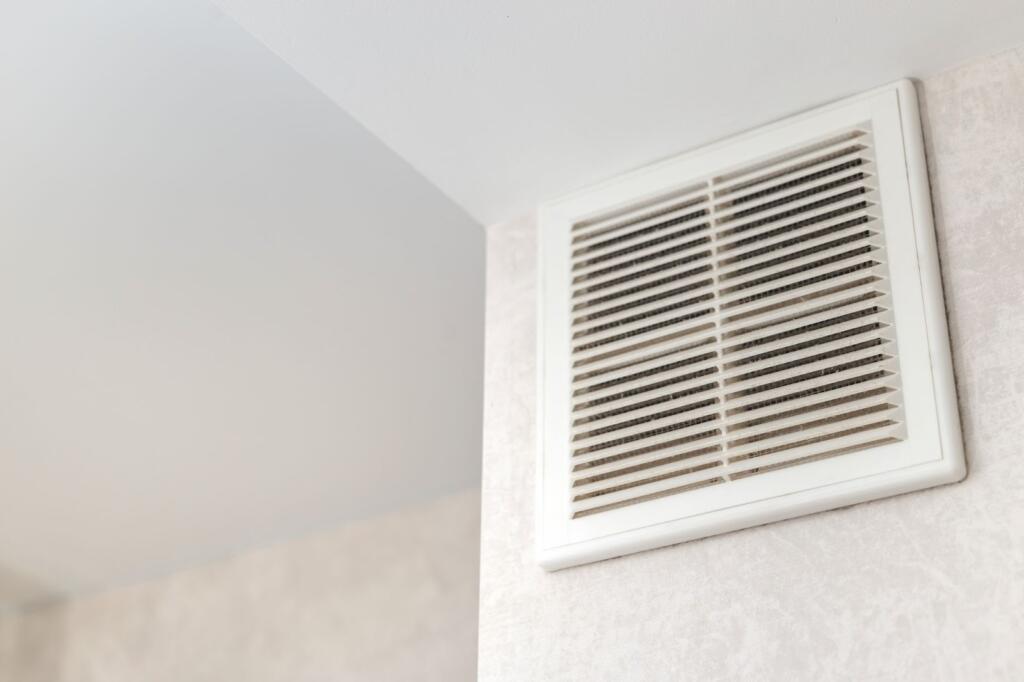
Lingering odors signal trapped indoor air. Cooking smells often remain longer in sealed homes. Bathroom humidity contributes to musty air conditions. Ventilation removes odor-causing air consistently. Fresh air dilution improves overall indoor freshness. Visitors often notice the difference immediately.
Pressure Balance And Its Impact On Indoor Air Quality
Pressure balance refers to how air moves in and out of a home evenly. When pressure becomes uneven, outside air enters through unintended paths. Those paths often include wall cavities, basements, and crawlspaces. A heat recovery ventilation system maintains balance by matching intake and exhaust airflow.
How Pressure Imbalance Develops In Modern Homes
Sealed construction limits natural airflow paths. Exhaust fans remove air without replacing it. That imbalance creates negative pressure indoors. Outside air enters through gaps not meant for ventilation. Those gaps introduce dust, insulation fibers, and odors. Over time, indoor air quality declines quietly.
Why Pressure Balance Protects Indoor Air Quality
Balanced airflow prevents uncontrolled air infiltration. Fresh air enters through filtered, intentional pathways. Pollutants remain outside the building envelope. Indoor air stays cleaner and more predictable. Temperature consistency improves across rooms. Occupants experience fewer drafts and odors.
The Connection Between Pressure And Home Durability
Pressure imbalance stresses building materials over time. Moist air pulled through walls condenses inside cavities. That moisture gradually damages insulation and framing. Mold growth becomes more likely in hidden spaces. Balanced ventilation reduces those risks consistently. The home maintains structural integrity longer.
Moisture Control Through Continuous Ventilation
Moisture buildup affects air quality and building materials. Excess humidity supports mold growth and surface damage. Ventilation helps regulate moisture naturally. That balance protects both air cleanliness and home structure.
How Ventilation Balances Indoor Humidity
Moist indoor air exits during ventilation cycles. Drier outdoor air replaces it gradually. This moisture exchange stabilizes humidity levels. Bathrooms and kitchens benefit most from steady airflow. Condensation on windows decreases over time. Indoor comfort improves year-round.
Reducing Conditions That Support Mold Growth
Mold develops in damp, stagnant environments. Continuous ventilation limits those conditions. Drier air slows mold development on surfaces. Hidden spaces benefit from reduced overall humidity. Structural materials remain in better condition. Home maintenance demands decrease gradually.
Protecting Finishes And Building Materials
High humidity damages paint and wood finishes. Flooring absorbs moisture over time. Cabinets warp under repeated exposure. Ventilation reduces these risks steadily. Materials last longer with balanced humidity. The home ages more gracefully.
Energy Savings From Heat Recovery Air Exchange
Energy efficiency matters when adding ventilation. Heat recovery addresses concerns about wasted heating or cooling. The system balances airflow with thermal performance. Comfort improves without sharp energy increases.
Reduced Strain On Heating And Cooling Systems
Preconditioned incoming air reduces HVAC workload. Systems cycle less frequently during extreme weather. Indoor temperatures remain more consistent. Equipment experiences less wear over time. Maintenance needs decline gradually. Energy use stays predictable.
Consistent Indoor Temperatures Year-Round
Cold drafts disappear during winter ventilation. Summer air exchange feels gentler indoors. Temperature swings occur between rooms. Comfort remains stable throughout the home. Heating and cooling are distributed more evenly. Occupants notice fewer hot or cold spots.
Long-Term Impact On Utility Expenses
Recovered heat lowers ventilation-related losses. Monthly utility bills stabilize across seasons. Cooling losses reduce during warmer months. The system supports efficient household operation. Savings accumulate steadily over time. Comfort improves alongside cost control.
Seasonal Performance Of Heat Recovery Ventilation
A heat recovery ventilation system performs differently as outdoor conditions change. These shifts reflect regular operation rather than system issues. Understanding seasonal behavior prevents unnecessary concern. Awareness also helps homeowners set realistic expectations.
Winter Ventilation Benefits Beyond Heat Retention
Cold weather increases indoor air stagnation. Windows stay closed for extended periods. Ventilation removes stale air without chilling rooms. Heat recovery limits energy loss during exchange. Indoor humidity stays more controlled. Comfort improves without drafts.
Spring And Pollen Dilution Effects
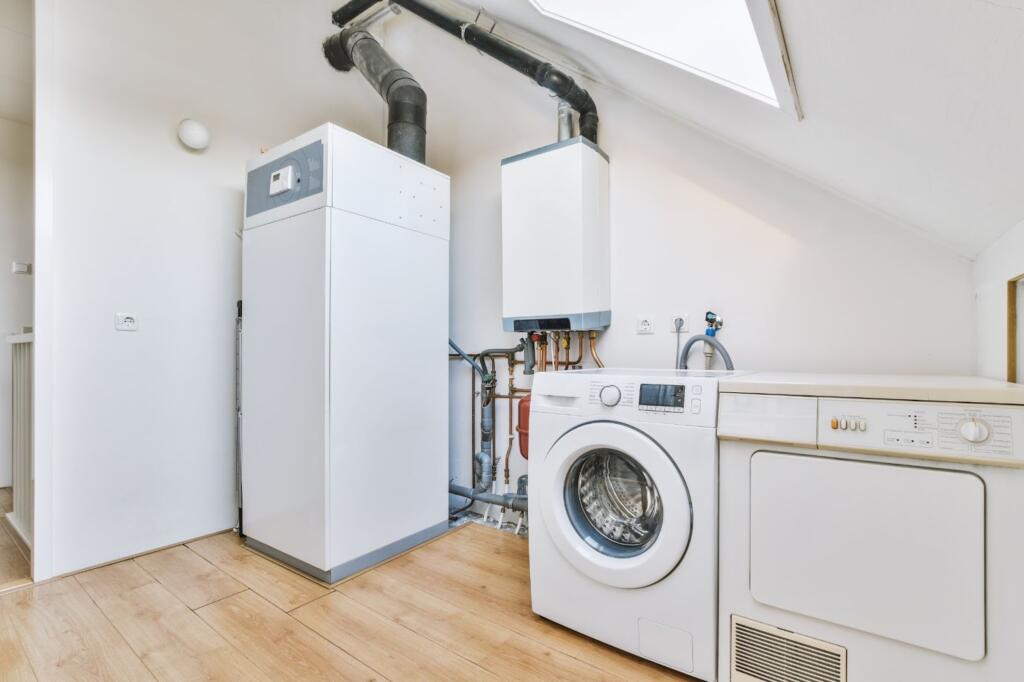
Outdoor allergens peak during the spring months. Ventilation dilutes indoor pollen concentration steadily. Filters capture larger airborne particles effectively. Indoor air feels fresher during allergy season. Symptoms reduce for sensitive occupants. The system supports cleaner breathing spaces.
Summer Moisture And Temperature Moderation
Warm air carries more moisture indoors. Ventilation helps remove humid air consistently. Heat exchange limits temperature swings during intake. Indoor spaces feel less sticky. Cooling systems operate more efficiently. Comfort remains stable during peak heat.
Fall Preparation For Sealed Indoor Living
Fall signals a return to closed windows. Indoor pollutants begin accumulating again. Ventilation restores airflow before winter arrives. Humidity stabilizes during seasonal transitions. Indoor air stays fresh despite reduced outdoor access. Homes enter colder months more comfortably.
Heat Recovery Ventilation In Modern Homes
Modern homes rely on airtight construction for efficiency. That design limits natural air movement. Mechanical ventilation fills the gap effectively. Heat recovery systems match current building standards.
Why Airtight Construction Needs Ventilation
Sealed homes trap indoor pollutants easily. Natural leakage no longer refreshes indoor air. Mechanical systems restore airflow intentionally. Controlled ventilation protects energy performance. Indoor air remains cleaner without drafts. Homes perform as designed.
Compatibility With Contemporary Building Codes
Many codes require mechanical ventilation. Heat recovery systems meet those standards efficiently. Inspectors favor balanced ventilation designs. Compliance supports resale value. Installation aligns with modern expectations. Homes remain future-ready.
Integrating Systems With Existing HVAC
Many systems connect to existing ductwork. Installation adapts to different layouts. Retrofitting remains possible in older homes. Professionals assess airflow requirements carefully. The operation stays quiet during daily use. Home routines remain unaffected.
HEveryday Comfort Gains From Better Ventilation
Ventilation affects how a home feels day to day. Clean air improves focus and relaxation. Comfort changes appear subtle but consistent. These improvements support long-term satisfaction.
Improved Sleep And Nighttime Air Quality
Fresh air supports deeper sleep cycles. Bedrooms feel less stuffy overnight. Balanced temperatures prevent overheating. Quiet operation avoids sleep disruption. Morning fatigue decreases gradually. Rest quality improves naturally.
Cleaner-Feeling Shared Living Spaces
Air circulation limits dust accumulation. Furniture surfaces stay cleaner longer. Shared spaces feel lighter and fresher. Guests notice air quality improvements quickly. Cleaning routines become easier. The home feels consistently comfortable.
Choosing The Right Heat Recovery System
System selection affects comfort and performance. Proper sizing matches ventilation needs accurately. Professional guidance helps avoid costly mistakes. The right system delivers lasting value.
Sizing Factors For Residential Properties
Home size influences airflow requirements. Occupancy levels affect ventilation demand. Ceiling height changes the air volume needed. Climate conditions influence system performance. Oversized units waste energy unnecessarily. Proper sizing improves efficiency.
Understanding Capacity And Airflow Ratings
Manufacturers list airflow in cubic feet per minute. Higher ratings do not always mean better performance. Homes need balanced airflow, not excess. Professional calculations guide selection. Correct capacity supports consistent ventilation. Performance remains stable year-round.
Maintenance Expectations For Homeowners
Filters require scheduled replacement. Heat exchangers need periodic cleaning. Maintenance keeps airflow efficient. Neglect reduces system performance. Tasks remain simple for homeowners. Reliability improves with routine care.
Improve Indoor Living With Heat Recovery Ventilation
Indoor comfort improves when fresh air becomes a constant, not a compromise. A heat recovery ventilation system works best when it is installed and calibrated correctly by licensed HVAC technicians or heating and ventilation professionals. These heating services evaluate airflow, pressure balance, and system integration to match the home’s layout. Partnering with specialists helps homeowners achieve cleaner air, reliable comfort, and long-term performance from a properly installed ventilation system.
Find clear, expert-driven guidance on home comfort systems in the Principe Heating and Cooling blog, updated with real-world knowledge.