

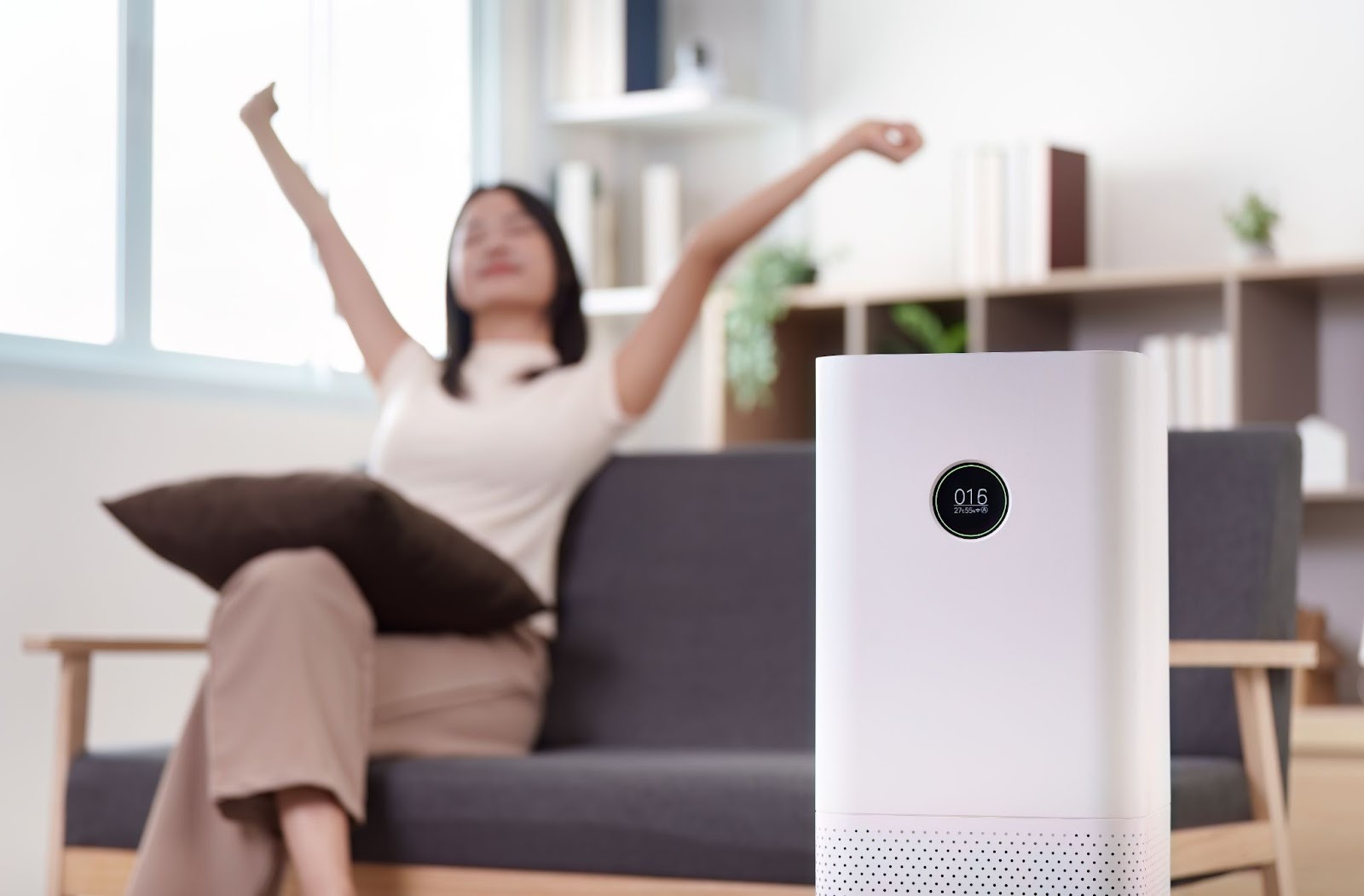
Indoor air quality affects how a home feels long before problems become visible. Dust, odors, and allergens circulate daily through enclosed spaces. Many homeowners notice discomfort without knowing the cause. Questions about what air purifiers can do often arise when symptoms persist indoors. Those questions connect directly to comfort, respiratory health, and long-term indoor living conditions.
What Do Air Purifiers Do Inside a Home?
Air purifiers clean indoor air by removing airborne particles already present in a room. This process improves air quality without pulling in outdoor air. Homes accumulate pollutants faster because modern construction limits ventilation. Understanding this function helps homeowners align expectations with real results.
How Air Purifiers Clean Indoor Air
Air purifiers work by pulling air from the room through internal filters, powered by a built-in fan. This airflow captures particles before releasing cleaner air back into the space. Most units repeat this cycle several times per hour. Continuous circulation steadily lowers pollutant concentration. This system works best when the purifier runs consistently. Over time, rooms feel cleaner and easier to breathe in.
Common Indoor Pollutants Air Purifiers Remove
Indoor air often carries dust, pollen, pet dander, and fabric fibers. Cooking releases smoke particles and odor-causing gases. Cleaning products contribute chemical vapors to enclosed rooms. Outdoor pollution enters through doors and windows. This indoor mix creates a heavier pollutant load than many expect. Air purifiers target these contaminants before they settle on surfaces.
Why Indoor Air Quality Declines Over Time
Modern homes use tighter construction methods to limit air leakage and improve energy efficiency. This sealed design traps airborne debris indoors. Daily activities stir particles into constant circulation. Furniture and carpets release fibers gradually. This ongoing release steadily raises pollutant levels. Air purifiers help balance this accumulation.
How Air Purifier Technology Works
Air purifiers rely on layered filtration rather than a single cleaning method. Each filter layer targets specific pollutants. The choice of technology affects efficiency, noise levels, and maintenance requirements. Knowing these systems helps homeowners make informed choices.
HEPA Filters and Particle Capture
HEPA filters microscopic airborne particles effectively. This filtration captures dust, pollen, and microscopic allergens. Dense fibers force air through narrow pathways. Particles become lodged while clean air continues through. This HEPA technology suits bedrooms and living spaces well. Filter replacement keeps performance steady.
Activated Carbon Filters for Odors
Activated carbon filters absorb gases and strong odors. This carbon material captures cooking smells and pet odors. Chemical vapors also bind to carbon surfaces. Thicker carbon layers hold more contaminants. Over time, saturation reduces effectiveness. Regular replacement restores odor control.
UV and Ionization Features Explained
Some air purifiers include UV light to reduce germs. This UV exposure damages airborne bacteria as they pass through the airflow. Ionizers charge particles, helping them capture faster. Poorly designed ionizers may produce trace ozone. This concern makes certification important. Homeowners benefit from reviewing safety data.
Health Benefits of Air Purifiers at Home
Cleaner indoor air influences comfort and breathing daily. Air purifiers gradually reduce exposure to irritants. Many homeowners notice improvements within weeks. These changes support healthier indoor routines.
Allergy Relief in Enclosed Living Spaces
Air purifiers reduce airborne pollen and dander levels. This reduction lowers allergy triggers indoors. Nasal irritation often becomes less frequent. Bedrooms show the most evident improvement overnight. Consistent operation supports ongoing relief. This benefit matters during allergy seasons.
Respiratory Comfort for Daily Living
Fine particles irritate the lungs over prolonged exposure. Air purifiers lower particle concentration steadily. Breathing feels easier during rest and activity. Children and older adults benefit most. This comfort builds gradually with use. Long-term exposure decreases over time.
Sleep Quality and Nighttime Air
Airborne allergens disrupt sleep silently. Air purifiers run quietly on lower settings. Clean air supports clearer breathing overnight. Morning congestion often decreases. This overnight improvement enhances rest quality. Bedrooms benefit from steady airflow.
Comfort Gains from Cleaner Indoor Air
Air quality affects how a home feels day to day. Cleaner air changes comfort beyond health concerns. Homeowners often notice fewer irritants. These subtle shifts influence routines.
Reduced Dust on Household Surfaces
Dust particles float before settling on furniture. Air purifiers capture these particles early. Surfaces stay cleaner longer. Cleaning routines become easier. This reduction saves time weekly. Homes feel less dusty overall.
Odor Control in Living Areas
Odors linger longer in enclosed rooms. Air purifiers circulate air continuously. Carbon filters absorb smell-causing gases. Rooms regain neutral scents faster. Cooking smells fade sooner. This freshness improves comfort.
Using Air Purifiers in Different Rooms
Placement affects how well air purifiers perform. Each room presents different air challenges. Proper placement improves efficiency. Room-specific strategies deliver better results.
Bedrooms and Sleeping Areas
Bedrooms trap allergens overnight. Air purifiers support steady nighttime airflow. Quiet operation suits sleep environments. Placement near beds improves circulation. This setup reduces morning congestion. Sleep quality improves gradually.
Living Rooms and Shared Spaces
Living rooms collect foot traffic debris. Furniture releases particles continuously. Larger units handle open spaces better. Central placement improves airflow. This circulation maintains balance. Guests notice fresher air.
Homes With Pets or Smoke Exposure
Pet hair and dander circulate constantly. Smoke particles linger longer indoors. Air purifiers capture these irritants efficiently. Filter checks become more frequent. Placement near sources works best. Odors reduce with consistency.
How to Choose the Right Air Purifier Model
Selecting the right purifier depends on home needs: size, filtration type, and noise matter. Precise specifications prevent mismatched purchases. Informed choices improve satisfaction.
Match Air Purifier Size to Room Area
Manufacturers list room coverage clearly—square footage ratings guide selection. Underpowered units struggle in larger spaces. Oversized units clean the air faster. This balance improves efficiency. Layout affects airflow patterns.
Understand CADR Ratings
CADR measures clean air delivery speed. Higher ratings indicate faster filtration. Separate scores exist for smoke, dust, and pollen. For effective performance, choose a CADR that is at least two-thirds of the room’s square footage. This metric simplifies comparisons. Homeowners rely on CADR data.
Maintenance and Operating Costs
Filters require periodic replacement. Costs vary by model and filter type. Energy use stays moderate for most units. Maintenance reminders help with scheduling. Long-term costs affect value. Planning avoids interruptions.
What Air Purifiers Cannot Do
Air purifiers improve air quality but have limits. Clear expectations prevent frustration. Understanding boundaries helps planning. Complementary solutions enhance results.
Air Purifiers and Fresh Air Intake
Air purifiers recycle indoor air only. This limitation means no outdoor air enters. Ventilation still matters for oxygen exchange. Opening windows supports renewal. This combination balances air quality. Purifiers complement ventilation systems.
Surface Cleaning and Moisture Control
Air purifiers do not clean surfaces. Settled dust remains untouched. Regular cleaning remains necessary. Mold growth requires moisture control. Dehumidifiers address humidity issues. Purifiers support prevention efforts.
Why Professional Air Quality Services Still Matter
Air purifiers do not diagnose underlying indoor air quality problems. This limitation means hidden issues often go unaddressed. Duct contamination, ventilation imbalance, and moisture buildup require professional evaluation. Air quality services identify sources rather than symptoms. These specialists use testing and system assessments to guide solutions. Their professional insight helps air purifiers perform as part of a broader strategy.
How Home Design and Habits Affect Air Purifier Results
Air purifiers respond directly to how a home functions day to day. Layout, airflow patterns, and daily routines shape performance more than most homeowners realize. Two identical units can deliver different results in similar houses. Understanding these influences helps homeowners get consistent outcomes.
Open Floor Plans Change Airflow Dynamics
Open layouts allow air to move freely across rooms. This openness enables pollutants to spread farther before filtration occurs. A single purifier may struggle to reach distant zones. Larger units or multiple placements work better in these homes. Furniture placement also alters airflow paths. Strategic positioning improves circulation efficiency.
Door Usage and Interior Air Pressure Matter
Opening and closing doors affect the air pressure inside a home. Pressure shifts push particles between rooms. Bedrooms with closed doors may trap allergens longer. Purifiers placed outside closed rooms lose effectiveness. This airflow behavior explains uneven results. Placement inside frequently closed rooms improves performance.
Flooring and Furnishings Influence Particle Load
Carpets release fibers when walked on. Upholstered furniture traps dust and dander deeply. Hard floors allow particles to resuspend easily. This material mix changes how often particles reenter the air. Air purifiers work harder in fabric-heavy rooms. Understanding surfaces helps set realistic expectations.
Cleaning Habits Temporarily Increase Air Pollution
Vacuuming stirs fine particles into the air. Sweeping redistributes dust briefly. Air purifiers often capture more debris during cleaning. This spike may seem counterproductive, but it signals active filtration. Running purifiers during cleaning improves outcomes. This timing strategy rarely gets mentioned.
Occupancy Levels Affect Filter Load
More occupants generate more airborne particles. Skin cells, movement, and activities increase the amount of debris. Pets amplify this effect further. Filters fill faster in busy households. Replacement schedules should reflect usage patterns. Manufacturer estimates assume average occupancy.
Bring Better Air Quality Into Daily Living
Indoor air affects comfort long after the doors and windows close. Minor adjustments to how air is filtered, circulated, and maintained can improve daily living conditions. Homeowners who pay attention to indoor air often uncover issues that routine cleaning cannot solve. Working with air quality specialists adds clarity, accurate assessment, and targeted solutions that align purification choices with how a home actually functions.
Explore practical insights into indoor air quality and home comfort on the Principe Heating and Cooling blog.

