

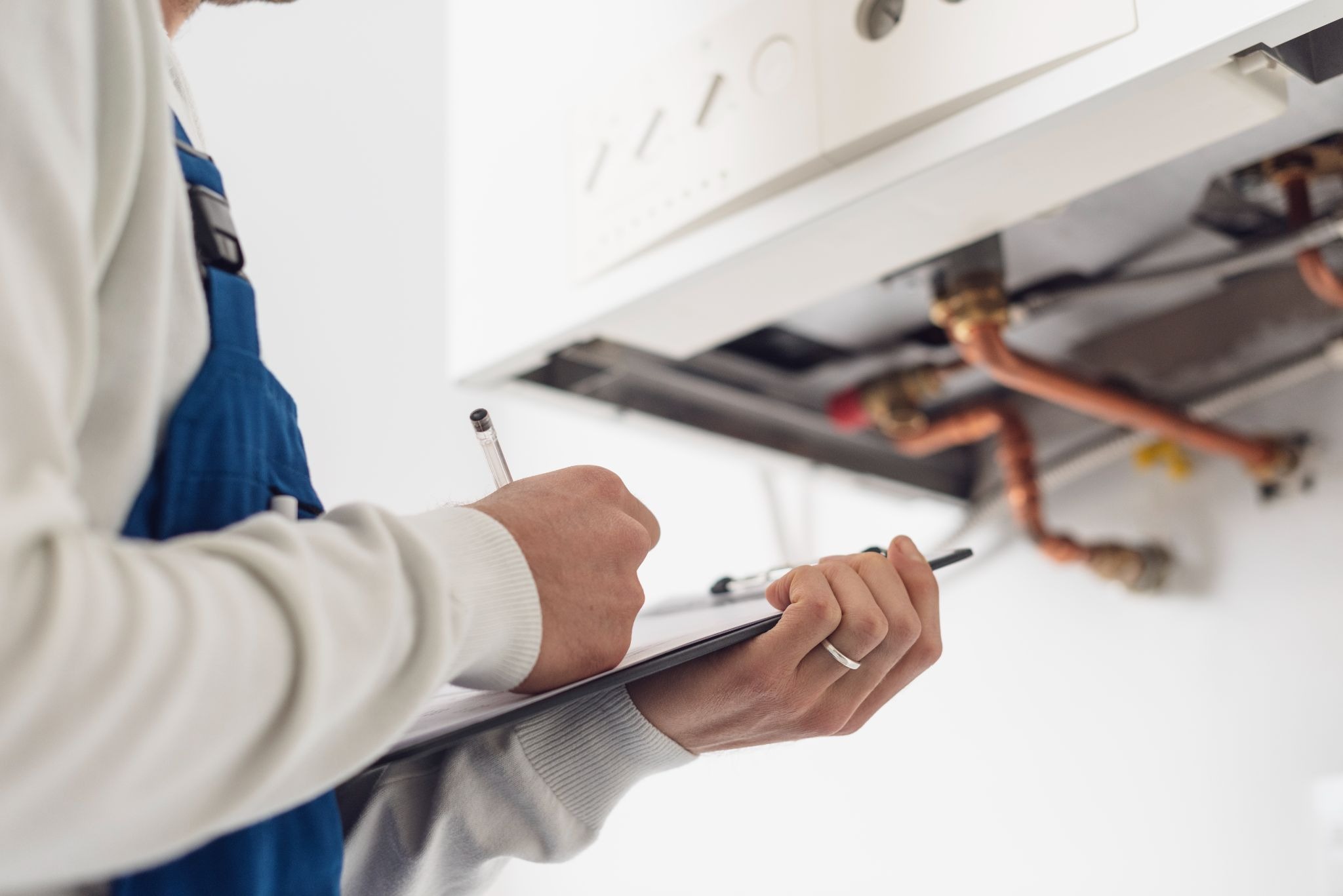
Cold mornings feel harsher when your heating system struggles to keep up with daily demand. Many homeowners depend on steady indoor warmth without noticing subtle warning signs. Small performance changes often appear long before a breakdown disrupts comfort. Ignoring these signals can raise costs and create avoidable repair issues over time. Recognizing boiler maintenance needs helps protect your system and maintain reliable home heating.
How Water Quality Impacts Boiler Performance
Water quality directly affects how efficiently your boiler operates over time. Many homeowners overlook this factor because it remains hidden inside the system. Minerals, debris, and chemical imbalances can quietly damage internal components. Understanding this factor helps explain recurring issues that basic maintenance may not fully resolve.
Hard Water and Limescale Buildup
Hard water contains high levels of minerals, such as calcium and magnesium. These minerals form limescale when heated inside the boiler system. This buildup reduces heat transfer efficiency, forcing the unit to work harder. Over time, it can lead to overheating and internal damage. Many regions in the U.S. experience moderate to hard water conditions. Installing a water softener or system filter can reduce long-term strain.
System Sludge and Internal Contamination
Sludge forms when rust, dirt, and debris accumulate inside the system. This contamination restricts water flow and affects heating consistency. It often develops slowly, making it difficult to detect early. Homeowners may notice uneven heating or unusual noises as it worsens. Flushing the system removes sludge and improves circulation. Preventative treatments can keep the system clean and efficient.
Warning Signs Your Boiler Needs Service
Boiler problems often begin with subtle changes that seem easy to ignore. These early signs can affect performance, safety, and energy use over time. Homeowners who notice these shifts can address issues before they escalate. Understanding these warning signals helps you keep your heating system reliable and efficient.
Unusual Noises During Operation
A boiler should operate with a steady and quiet rhythm during regular use. When new sounds develop, they often point to internal strain or buildup. These noises rarely resolve on their own and usually worsen over time. Recognizing them early can help prevent deeper mechanical issues.
Banging or Knocking Sounds
Banging sounds usually come from trapped air or mineral buildup inside the system. This condition creates pressure pockets that release forcefully during heating cycles. Limescale buildup, which forms when minerals harden, can restrict water flow and worsen the issue. Over time, these blockages increase stress on internal components and reduce efficiency. Ignoring these warning signs may lead to overheating or part failure. A professional boiler service can flush the system and restore balanced circulation.
Whistling or Kettling Noise Causes
Whistling noises often indicate restricted water flow due to limescale buildup. This condition resembles a kettle sound because water struggles through narrow passages. As pressure increases, the system works harder to maintain normal heating output. This inefficiency raises energy consumption and operating costs over time. Continued strain can damage the heat exchanger, which transfers heat to water. Routine maintenance removes buildup and restores smooth operation.
Uneven Heating Across Your Home
Your heating system should distribute warmth evenly across every room. When some areas feel colder than others, something is off. This imbalance often develops gradually and may go unnoticed at first. Over time, it can affect comfort and energy efficiency.
Cold Radiators and Heat Imbalance
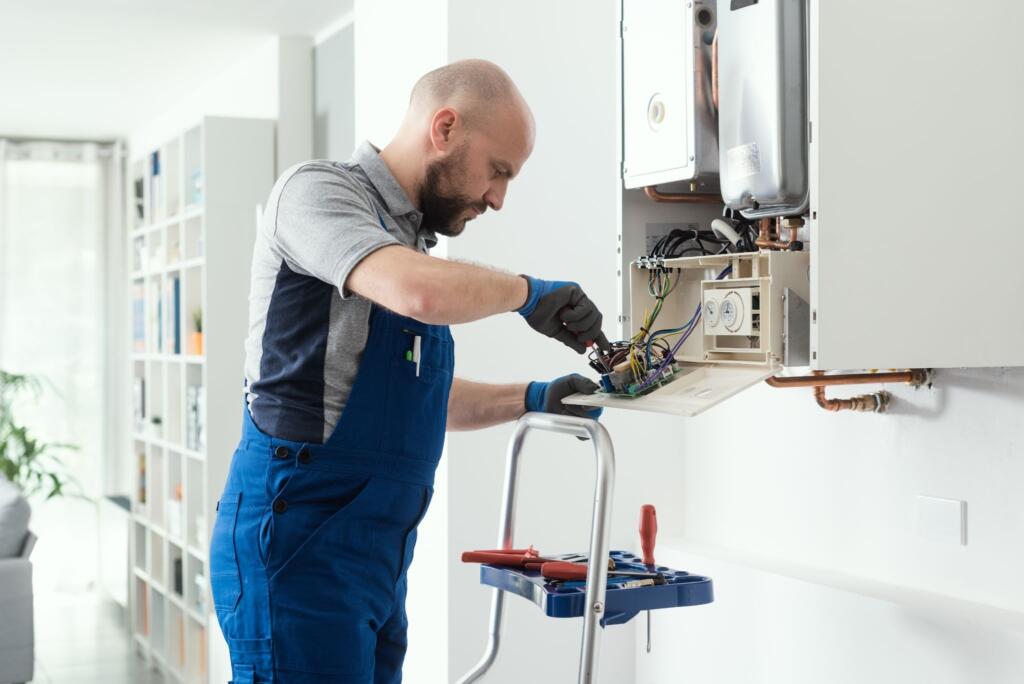
Cold spots in radiators usually result from trapped air or sludge buildup. Sludge is a mixture of dirt and rust that collects inside pipes. This buildup restricts water flow and prevents even heat distribution. As a result, some rooms stay colder despite thermostat adjustments. Persistent imbalance forces the system to work harder than necessary. Professional flushing can remove sludge and restore proper heating.
Slow Heat Delivery in Rooms
A delayed heating response often signals inefficiency in the system’s circulation. Water may struggle to move through pipes due to blockages or worn components. This condition leads to longer heating cycles and inconsistent room temperatures. Homeowners may notice increased energy usage without improved comfort. Over time, this strain reduces the system’s overall lifespan. Regular inspections can identify and correct these flow issues.
Rising Energy Bills Without Cause
Heating expenses often reflect how well your system performs each day. When costs increase without changes in usage, inefficiency is likely the cause. Systems lose efficiency as components wear down or accumulate buildup. Monitoring your energy bills can reveal hidden problems before they escalate.
Reduced Efficiency Over Time
Reduced efficiency occurs when components wear down or accumulate debris. This condition limits the system’s ability to convert fuel into usable heat. As performance declines, the unit consumes more energy to maintain temperatures. Homeowners often notice higher utility bills despite normal usage patterns. Industry data shows that neglected systems can lose noticeable efficiency each year. Routine maintenance restores efficiency and lowers operating costs.
Overworked System and Energy Waste
An overworked system runs longer cycles to meet heating demands. This condition often develops when internal parts no longer perform at full capacity. Increased runtime leads to higher fuel consumption and additional wear. Over time, this strain can shorten the system’s lifespan. Homeowners may also experience uneven heating alongside rising costs. Regular servicing helps balance workload and improve performance.
Frequent Resets or Sudden Shutdowns
A reliable heating system should operate without frequent interruptions or resets. When shutdowns happen often, they signal instability within the unit. These disruptions usually point to internal faults or safety triggers. Addressing them quickly can prevent further complications.
Safety Shutdowns and Reset Triggers
Modern systems include safety features that shut down operation when faults occur. These mechanisms activate during overheating, pressure issues, or gas irregularities. Frequent shutdowns suggest recurring problems that need professional attention. Repeatedly resetting the system can strain internal components. Over time, this strain may lead to more serious malfunctions. A technician can diagnose the issue and restore safe operation.
Faulty Sensors or Electrical Issues
Sensor malfunctions can cause incorrect readings within the control system. This issue leads to unnecessary shutdowns or inconsistent performance. Electrical faults may also disrupt communication between components. These problems often worsen without proper diagnosis and repair. Ignoring them increases the risk of complete system failure. Maintenance checks include testing sensors and electrical connections for reliability.
Strange Smells During Operation
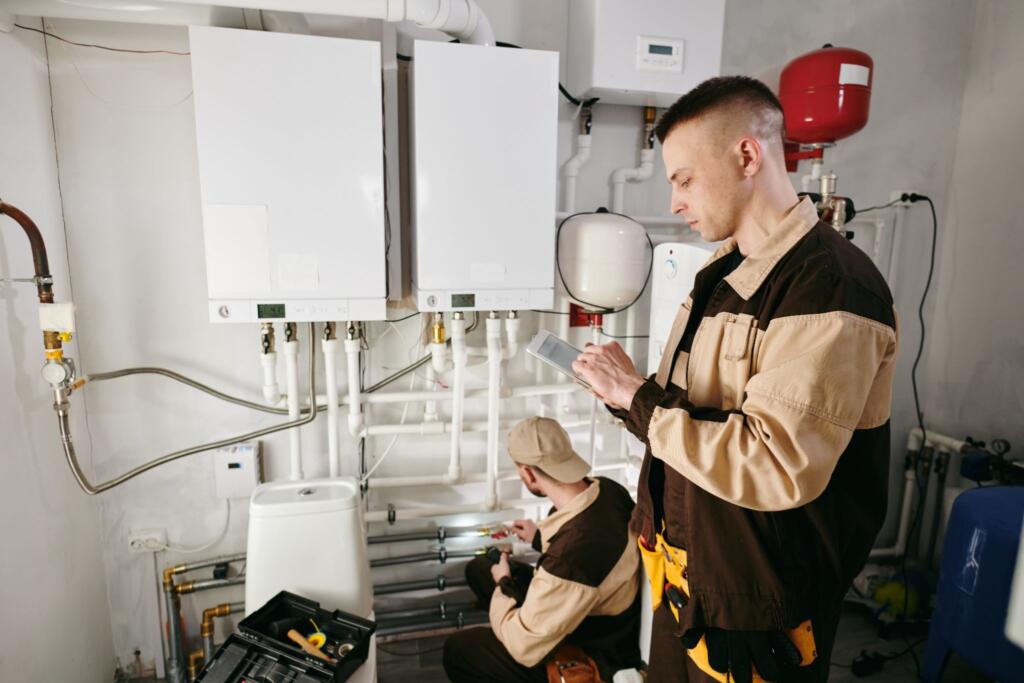
A properly functioning heating system should not produce noticeable smells. Any unusual odor should raise concern and prompt immediate attention. These smells can indicate overheating, leaks, or internal damage. Understanding the type of odor can help identify the issue.
Burning or Metallic Odors
Burning smells often result from dust buildup on internal components. This debris heats up during operation and produces a sharp odor. Metallic smells may indicate overheating or worn parts inside the system. These conditions often develop after long periods without servicing. Continued use can worsen damage and increase safety risks. Cleaning and inspection can resolve these issues and restore normal function.
Gas or Sulfur Smell Warning Signs
A sulfur or gas-like smell often signals a possible gas leak. Utility companies add this odorant to natural gas to make it easier to detect. Exposure to gas leaks can create serious health and safety risks. Homeowners should leave the area immediately if this smell appears. Contacting a professional before restarting the system remains critical. Routine inspections help detect leaks before they escalate.
Visible Leaks and Rust Formation
Moisture around your heating unit often signals wear or internal damage. Leaks can start small but quickly develop into larger issues. Corrosion weakens structural components and reduces system reliability. Addressing these signs helps prevent costly repairs and system failure.
Leaking Pipes and Valve Issues
Leaks commonly occur at joints, valves, or worn seals. These areas experience constant pressure and temperature changes during operation. Over time, materials weaken and allow water to escape. Even minor leaks can reduce efficiency and damage surrounding areas. Ignoring these leaks may lead to more extensive system problems. A professional can repair or replace affected components.
Rust and Corrosion Damage
Rust forms when metal components remain exposed to moisture over time. This process weakens structural integrity and affects system performance. Corrosion may appear on pipes, tanks, or internal surfaces. As it spreads, it can compromise the entire heating system. Regular inspections can catch corrosion before it becomes severe. Preventive maintenance helps extend equipment lifespan.
Flame Changes and Ignition Issues
Flame behavior provides clear insight into system performance and safety. A stable blue flame indicates proper combustion within the unit. Changes in color or stability often signal underlying issues. Monitoring the flame helps detect problems before they worsen.
Yellow Flame and Combustion Problems
A yellow flame suggests incomplete combustion inside the system. This condition may produce harmful gases, such as carbon monoxide. Poor airflow or buildup often causes this issue. Inconsistent flames can also indicate ventilation problems. These risks require immediate professional evaluation. Routine servicing keeps combustion clean and efficient.
Pilot Light Keeps Turning Off
A pilot light that frequently goes out signals an internal fault. This issue may be caused by a faulty thermocouple or a problem with the gas supply. Repeated relighting does not resolve the root cause. Over time, this instability affects heating reliability. It may also indicate safety concerns within the system. A technician can safely identify and fix the issue.
Slow Heating and Delayed Response
A heating system should respond quickly when you adjust the thermostat. Delays in heating often point to internal inefficiencies. These problems tend to worsen if left unattended. Addressing them can restore comfort and reduce system strain.
Sluggish Heating Response
Sluggish heating occurs when components lose efficiency over time. This condition affects how quickly heat transfers through the system. Homeowners may notice longer heating cycles and uneven temperatures. Increased runtime also leads to higher energy consumption. These performance issues often worsen without maintenance. Servicing can restore responsiveness and improve efficiency.
Aging Components and Performance Decline
Aging components gradually reduce overall system performance. Wear and tear affect key parts such as pumps and heat exchangers. This decline leads to slower heating and more frequent repairs. Older systems often require more attention to remain functional. Ignoring these signs can result in unexpected breakdowns. Regular maintenance helps extend the life of aging equipment.
Keep Heating Reliable With Boiler Maintenance
Reliable heating depends on how well you maintain your system year-round. Small issues can disrupt performance if left unchecked for too long. Regular boiler maintenance helps stabilize output and reduce unnecessary strain on components. Staying consistent with service keeps your home comfortable and avoids unexpected interruptions.
Learn how to spot heating issues before they escalate. Visit the Principe Heating & Cooling blog for practical insights and expert guidance.