
Heat pump service costs usually come into focus when comfort feels uneven, or energy bills begin to rise. Homeowners often sense that maintenance matters, yet pricing can feel unclear without proper context. Service costs vary because no two systems share the same size, condition, or installation layout. Local labor rates and technician expertise also influence what homeowners pay. Clear information about service pricing removes uncertainty and supports better long-term decisions.
Heat Pump Service Cost Explained
Heat pump service refers to professional maintenance designed to keep the system running efficiently and reliably. This service combines inspection, cleaning, and performance testing into a single visit. Pricing reflects the time, tools, and expertise required to properly evaluate system health. Homeowners who understand the service scope gain better control over maintenance expectations.
Definition of a Standard Heat Pump Service
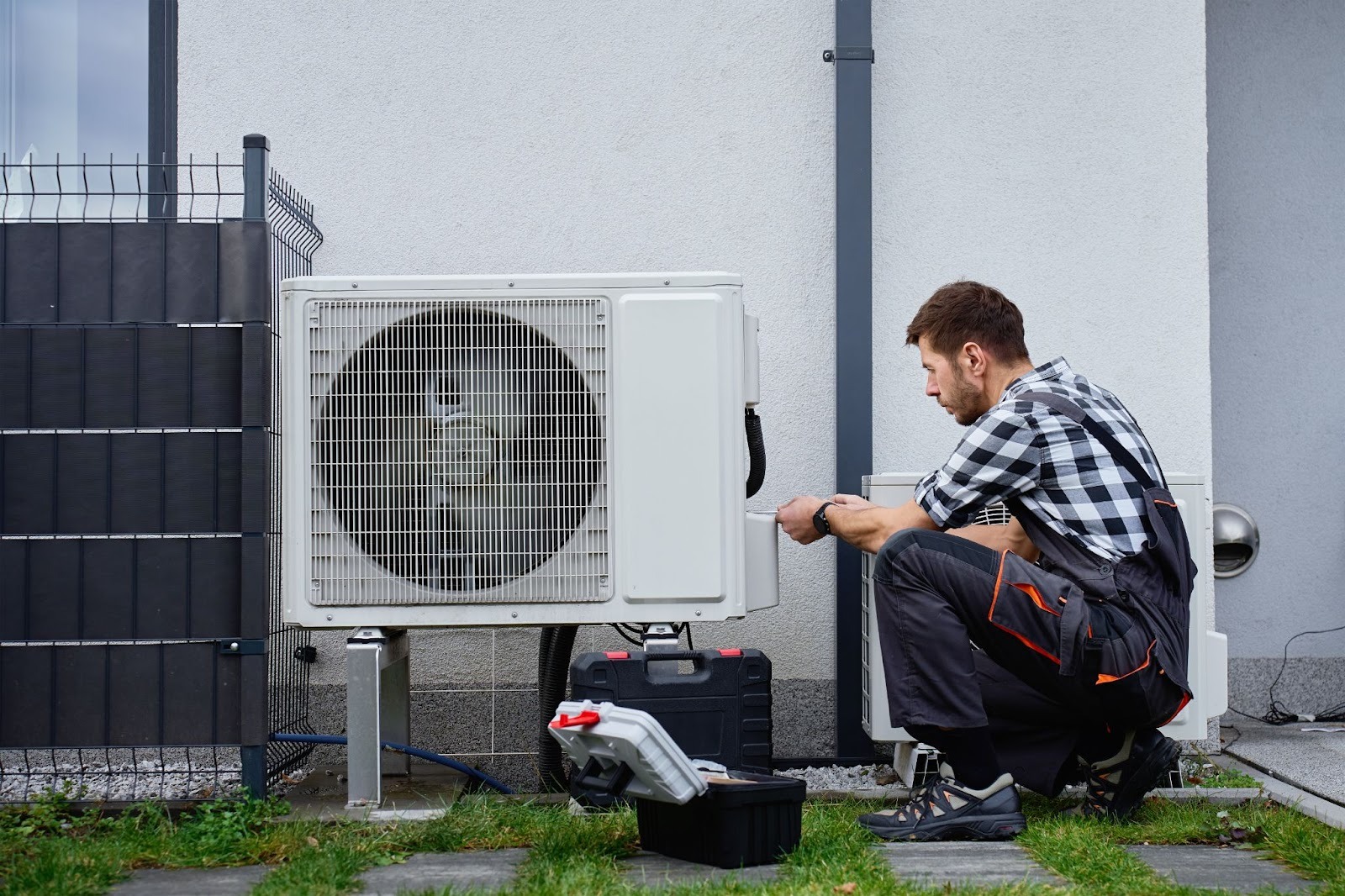
A standard heat pump service focuses on prevention rather than correction. Technicians inspect system components to identify wear before it leads to failure. Cleaning removes debris that restricts airflow and reduces efficiency. Controls and sensors receive calibration to maintain an accurate temperature response. Electrical connections are checked to reduce operational risk. This service approach limits disruptions while supporting consistent comfort.
Difference Between Service and System Tune-Ups
Heat pump service and tune-ups share goals but differ in depth. Service visits follow a broader checklist covering safety, cleanliness, and performance. Tune-ups often focus solely on efficiency adjustments. Service addresses potential risks that tune-ups may overlook. Homeowners benefit from clarity when scheduling either option. Understanding this distinction helps align service expectations with actual needs.
Average Cost of Heat Pump Service
The average cost of heat pump service remains relatively consistent across most residential settings. Pricing varies due to labor rates, service scope, and seasonal demand. Routine maintenance costs less than problem-driven visits. Awareness of cost ranges helps homeowners plan responsibly.
Typical Price Range for Routine Service
Most homeowners can expect routine service to cost between $150 and $350. Basic inspections with minimal cleaning fall closer to the lower end. More thorough maintenance increases labor time and pricing. Seasonal demand can raise costs during extreme weather. Emergency visits often exceed standard rates. These ranges reflect typical residential systems under normal conditions.
Annual Heat Pump Maintenance Plan Costs
Maintenance plans package multiple visits into one predictable annual fee. Most plans range from $200 to $600 per year. Two scheduled visits usually cover heating and cooling seasons. Many plans include repair discounts as part of ongoing service. Priority scheduling often comes included. This structure appeals to homeowners seeking consistent budgeting.
Cost Differences for Newer Systems
Newer heat pump systems typically require less service time. Components remain cleaner and more efficient during the early years. Diagnostics proceed faster with modern controls. Service visits tend to stay shorter. Costs often fall within lower pricing ranges. Proper maintenance preserves these cost advantages.
Factors That Affect Heat Pump Service Pricing
Several factors shape how much homeowners pay for heat pump service: system design, size, and placement influence labor requirements. Local labor markets also play a role. Understanding these variables clarifies pricing differences.
Heat Pump Type and Configuration
System type directly affects service complexity. Air-source heat pumps usually require simpler maintenance. Ground-source systems involve specialized tools and training. Ductless systems include multiple indoor units. Multi-zone layouts increase inspection time. Configuration explains many pricing variations.
System Size and Capacity Demands
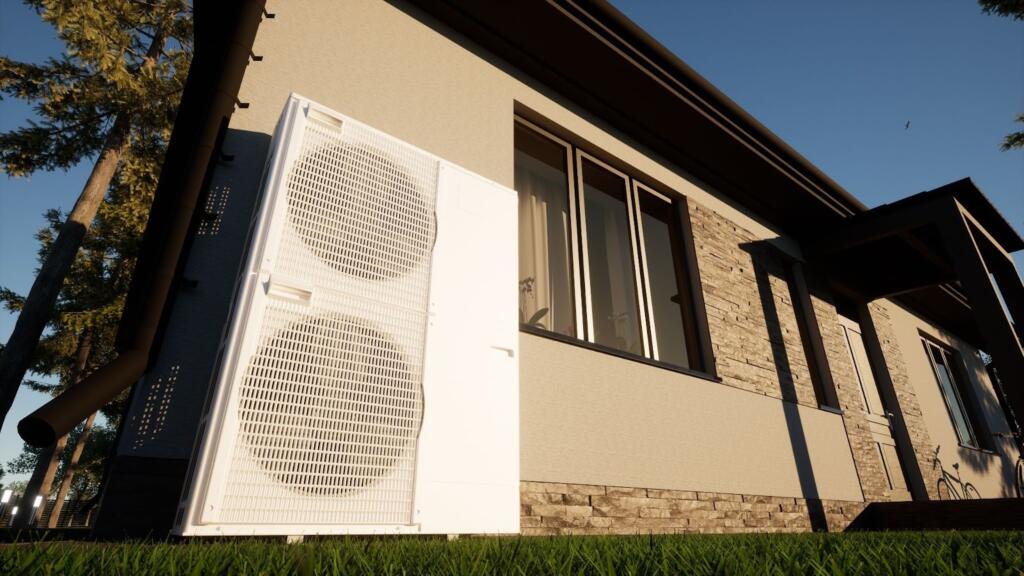
Larger systems require longer inspections and testing. Higher-capacity components need detailed performance verification. Refrigerant handling becomes more involved as the size increases. Labor time expands with output demands. Larger homes often receive higher quotes. Capacity influences cost directly.
Installation Location and Accessibility
Equipment placement affects how efficiently technicians work. Attic installations limit movement and visibility. Crawlspaces restrict access and increase setup time. Roof-mounted systems require safety precautions. Landscaping can obstruct outdoor units. Accessibility challenges increase service costs.
Seasonal Timing and Service Pricing
Seasonal demand shapes service availability and pricing. Extreme temperatures increase service requests. Technician schedules fill quickly during peak periods. Timing awareness helps homeowners avoid scheduling pressure.
High-Demand Heating and Cooling Seasons
Summer and winter are the peak seasons for service demand. Technicians manage packed schedules during these months. Emergency calls become more common. Service rates may increase due to workload. Appointment availability becomes limited. These conditions influence final pricing.
Moderate Weather Service Periods
Spring and fall offer steadier service demand. Scheduling flexibility improves significantly. Standard pricing remains more common. Technicians focus on preventive care during these periods. Service delays become less likely. These seasons support smoother maintenance experiences.
Repairs That Increase Heat Pump Service Costs
Some service visits reveal issues that require repair. These findings raise the total service cost. The likelihood of repair increases with system age and usage. Preparation helps homeowners manage expectations.
Refrigerant Leaks and Recharge Costs
Low refrigerant levels reduce heating and cooling output. Leak detection requires specialized equipment. Sealing leaks adds labor time. Refrigerant replacement increases material costs. Environmental regulations affect pricing. These repairs raise service totals.
Electrical Component Failures
Electrical components degrade through repeated cycling. Capacitors often fail first. Faulty contactors disrupt system operation. Diagnostics extend service time. Replacement costs vary by system design. Electrical repairs add expense.
Airflow and Blower Motor Issues
Blower motors drive air circulation. Wear reduces airflow consistency. Bearings may degrade with use. Motors draw excess power when failing. Repairs involve parts and labor. These issues increase overall service costs.
Heat Pump Service vs Repair Visits
Service and repair visits serve different purposes. Service focuses on prevention and stability. Repairs restore lost function after failure. Understanding the difference controls long-term costs.
Purpose of Routine Heat Pump Service
Routine service supports system health. Technicians clean and inspect components thoroughly. Adjustments improve efficiency and comfort. Early warning signs receive attention. Breakdowns become less frequent. Costs remain predictable over time.
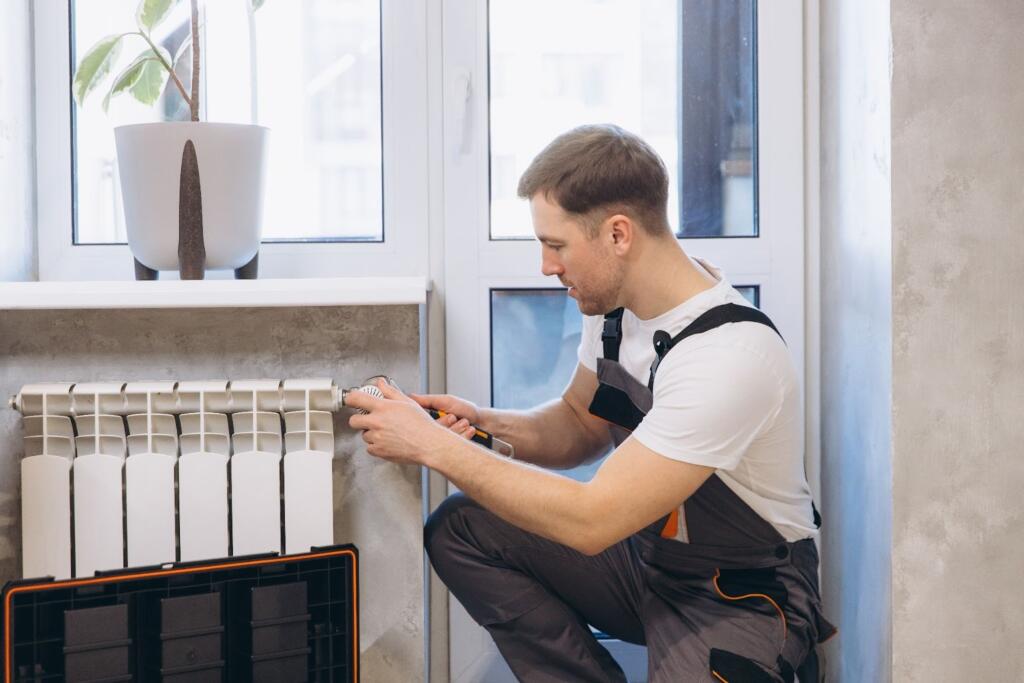
Nature of Repair-Based Appointments
Repair visits address active system failures. Comfort loss often prompts urgent scheduling. Diagnostics become more complex under pressure. Parts replacement becomes necessary. Labor time increases accordingly. Repair costs exceed service pricing.
Long-Term Value of Regular Heat Pump Service
Consistent service supports stable performance and financial control. Maintenance reduces operational strain. Homeowners experience fewer disruptions. Long-term value grows through care.
Energy Efficiency and Utility Savings
Clean systems operate more efficiently. Balanced airflow improves heat exchange. Controls prevent unnecessary cycling. Energy use stabilizes across seasons. Utility bills remain predictable. Savings offset service expenses.
Extended Equipment Lifespan
Wear accelerates without maintenance. Lubrication reduces friction. Early detection prevents cascading damage. Systems last longer with regular care. Replacement timelines extend further. Longevity protects investments.
Fewer Unexpected Repair Expenses
Small issues worsen when ignored. Service visits catch problems early. Planned repairs cost less than emergencies. Scheduling remains manageable. Financial surprises decrease. Budgeting becomes easier.
Hidden Cost Drivers Homeowners Rarely Consider
Several overlooked factors quietly influence heat pump service costs over time. These elements rarely appear on invoices, yet they shape service frequency and pricing trends. Homeowner habits and regulatory changes both play a role. Awareness of these drivers supports smarter maintenance planning.
How Daily Usage Patterns Affect Service Frequency
Daily usage habits influence how often a heat pump needs service. Frequent temperature adjustments force the system to cycle more often. Short cycling increases wear on electrical components and motors. Extended runtime during extreme settings strains compressors. These usage patterns raise the likelihood of service visits. Consistent thermostat settings help stabilize system operation.
Impact of New Refrigerant Regulations on Service Costs
Refrigerant regulations continue to change across the industry. New standards restrict certain refrigerants due to environmental impact. Availability of older refrigerants continues to decline. Technicians spend more time handling compliant replacements. Material costs rise as supply tightens. These regulatory shifts influence service pricing even for well-maintained systems.
Deferred Maintenance and Compounding Service Costs
Skipping routine service creates compounding issues over time. Dirt buildup reduces efficiency gradually. Electrical stress increases without early intervention. Small airflow problems worsen unnoticed. Later service visits require more labor to correct multiple issues. Deferred maintenance increases total ownership costs.
Technician Time Allocation and Diagnostic Complexity
Modern heat pumps rely heavily on sensors and control boards. Diagnosing intermittent issues requires detailed testing. Technicians spend additional time interpreting system data. Advanced diagnostics improve accuracy but extend service duration. Labor costs reflect this increased complexity. Diagnostic depth directly affects service pricing.
Service Records and Their Financial Impact
Heat pump service records influence costs beyond the immediate visit. Documentation affects warranty coverage, resale confidence, and diagnostic efficiency. Many homeowners underestimate the value of a consistent service history. Clear records support smoother service outcomes.
How Service Documentation Reduces Diagnostic Time
Accurate service records help technicians work faster. Past notes reveal recurring issues and resolved repairs. Diagnostic time decreases when history is available. Technicians avoid repeating unnecessary tests. Labor efficiency improves with documented maintenance. Reduced diagnostic time lowers service costs.
Warranty Claims and Proof of Maintenance
Many heat pump warranties require proof of regular service. Missing records can limit coverage options. Manufacturers often request service dates and provider details. Documented maintenance supports approved claims. Warranty repairs proceed more smoothly with records. This documentation protects homeowners financially.
Service History and Home Resale Value
Buyers increasingly ask for HVAC service records. Documented care signals system reliability. Inspectors view serviced systems more favorably. Negotiations improve with proof of maintenance. Service history reduces buyer uncertainty. Resale outcomes benefit from consistent documentation.
Prioritize Heat Pump Service for Lasting Comfort
Reliable homes rely on HVAC systems that receive consistent professional attention. An HVAC maintenance service brings structure to heating, cooling, and heat pump care by placing trained heat pump service technicians at the center of system performance. Regular HVAC services reduce unexpected disruptions by keeping equipment aligned with household demand and seasonal changes. This steady oversight replaces uncertainty with confidence and supports long-term system dependability. Homeowners who prioritize professional maintenance gain lasting comfort backed by skilled technicians who understand how systems perform in real homes.
Learn more about smart heat pump care on the Principe Heating and Cooling blog, where practical guidance helps homeowners plan with confidence.