
Comfort at home depends on heating and cooling systems that operate quietly and consistently day in and day out. These systems regulate temperature, airflow, and humidity, shaping how livable a home feels in every season. When performance declines, homeowners often notice higher utility bills, uneven temperatures, or unexplained system noise. Many people only schedule service after those issues disrupt their routines. A reliable HVAC maintenance service supports steady comfort, controlled energy use, and dependable system operation before those problems appear.
What an HVAC Maintenance Service Covers
An HVAC maintenance service provides structured, professional care for heating and cooling equipment. This service focuses on keeping systems operating within safe and efficient ranges through routine evaluations. Technicians follow manufacturer guidelines and industry standards during every visit. That consistent approach helps homeowners avoid unpredictable performance issues.
Routine HVAC Inspections and System Testing
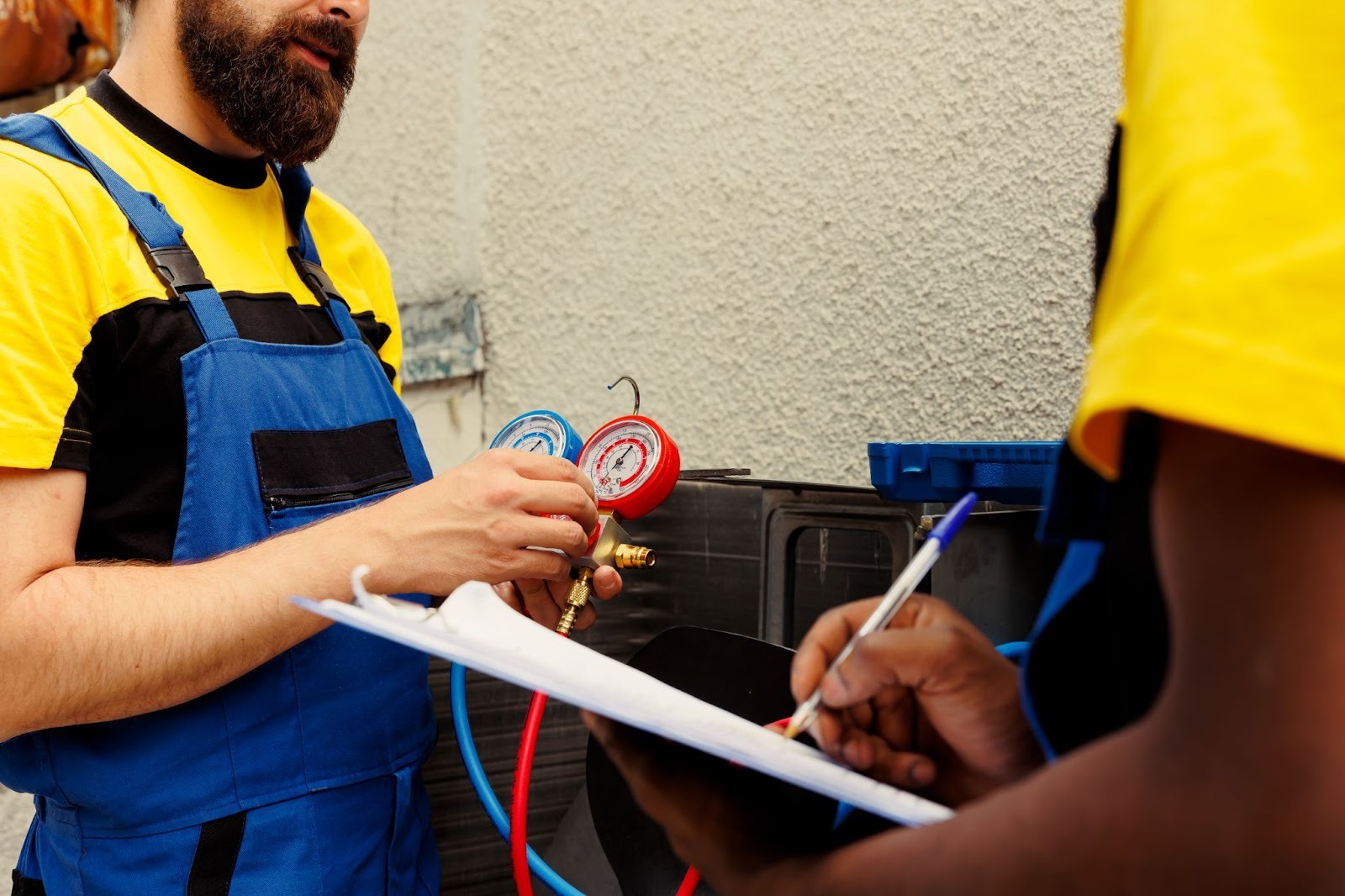
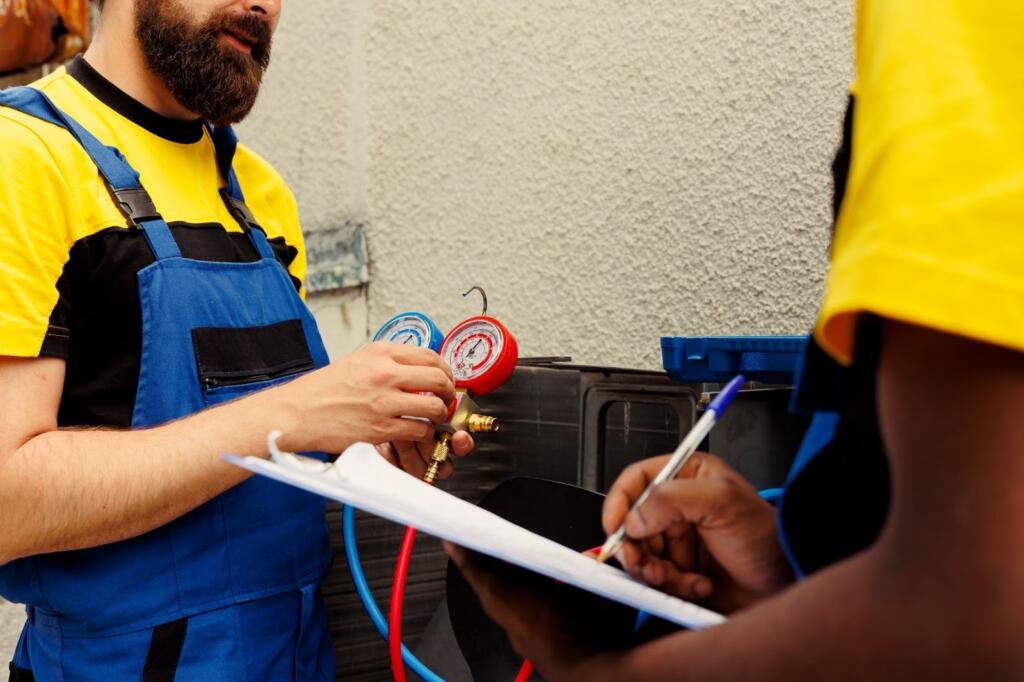
Routine HVAC inspections involve checking how the system performs under normal conditions. Technicians evaluate thermostat accuracy, airflow levels, and temperature output across the home. These inspections uncover inefficiencies that often develop slowly and remain unnoticed. Service providers rely on standardized testing procedures based on manufacturer data. This method improves diagnostic accuracy and consistency. Homeowners gain clarity about the condition and performance of their systems.
Cleaning Internal HVAC Components
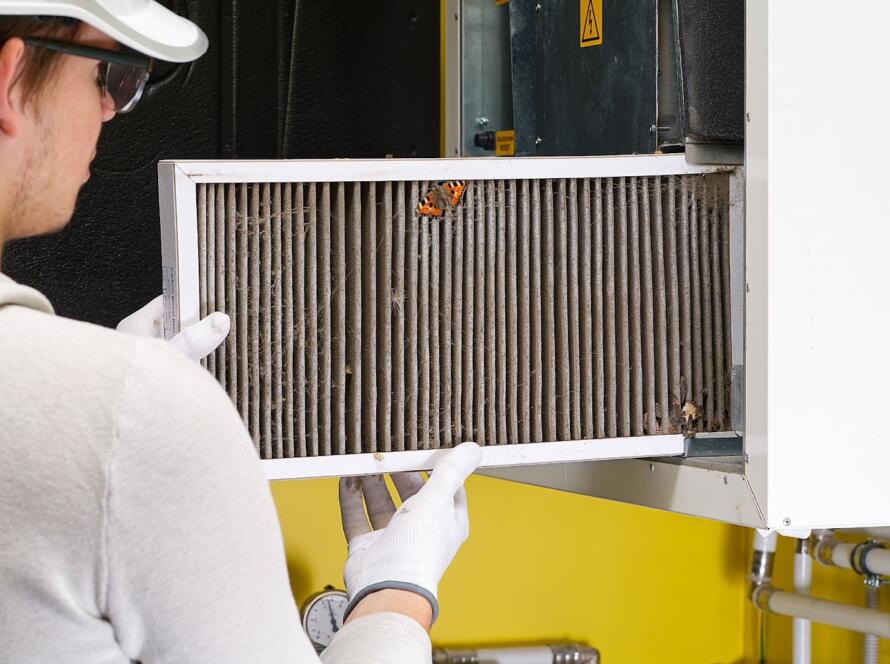
Heating and cooling systems naturally collect dust and debris as air circulates. Maintenance service includes cleaning coils, blower components, and condensate lines. Clean components allow air to flow freely through the system. Improved airflow supports stable temperatures and quieter operation. This cleanliness also helps limit moisture buildup inside the unit. Homeowners benefit from smoother operation and better air circulation.
Calibration and Performance Adjustments
Calibration aligns system operation with manufacturer specifications. Technicians adjust controls, fans, and burners to correct minor performance shifts. These adjustments help stabilize temperature delivery throughout the home. Balanced operation reduces unnecessary cycling during daily use—lower cycling limits stress on mechanical components. Homeowners experience more consistent comfort as a result.
How HVAC Maintenance Improves Home Comfort
HVAC maintenance improves comfort by supporting steady airflow and reliable temperature control. Well-maintained systems distribute conditioned air evenly across living spaces. This consistency reduces the need for constant thermostat changes. Homeowners enjoy a more stable indoor environment.
Balanced Temperatures Throughout the Home
Uneven temperatures often stem from airflow restrictions or system misalignment. Maintenance technicians inspect ducts and vents to identify these issues. Corrected airflow ensures conditioned air reaches each room evenly. Balanced distribution reduces discomfort between floors or zones. This improvement supports a more comfortable daily living experience. Homeowners notice fewer temperature swings.
Reduced Noise During System Operation
Unusual noises usually indicate loose or stressed components. Maintenance service includes tightening and lubricating moving parts. Reduced friction leads to smoother system operation. Quieter systems contribute to a more comfortable home atmosphere. This quieter performance also signals reduced mechanical strain. Homeowners feel reassured about the system’s condition.
Reliable Performance During Seasonal Changes
Weather changes place increased demand on HVAC equipment. Maintenance prepares systems to handle these shifts effectively. Proper preparation supports consistent heating and cooling output. Reliable performance prevents sudden comfort disruptions. This dependability becomes especially valuable during temperature extremes. Homeowners experience steadier indoor conditions year-round.
Benefits of Professional HVAC Maintenance for Homes
Regular professional care keeps heating and cooling systems running smoothly in everyday use. When systems receive scheduled attention, they respond more efficiently to temperature demands and household use. Maintenance also helps preserve equipment condition while supporting consistent indoor comfort. These advantages shape the practical reasons homeowners continue investing in ongoing HVAC maintenance services.
Improved Energy Performance in Home Systems
Heating and cooling systems use energy more efficiently when internal components remain clean and properly adjusted. Regular system maintenance reduces resistance, allowing equipment to work harder than necessary. This operational balance supports consistent energy use throughout the year. Homeowners often notice steadier utility costs when systems operate within intended performance ranges.
Better Airflow and Smarter Energy Use
Restricted airflow causes heating and cooling systems to run longer cycles than needed. Professional maintenance clears blockages and replaces filters that limit circulation. Improved airflow allows conditioned air to reach target temperatures faster. Shorter run times reduce energy consumption across daily use. This operational efficiency also limits mechanical wear. Homeowners benefit from lower demand without sacrificing comfort.
More Stable Heating and Cooling Cycles
Irregular system cycling increases energy use and component stress. Technicians adjust controls and settings to stabilize operation. Balanced cycles maintain indoor comfort with fewer starts and stops. This steadiness supports efficient energy consumption. Reduced cycling protects internal components over time. Homeowners experience smoother system response.
Consistent Efficiency Across Changing Seasons
Seasonal shifts often affect HVAC performance. Maintenance prepares systems for upcoming temperature demands. Adjustments align output with seasonal conditions. Stable efficiency helps prevent sudden energy spikes. This consistency supports predictable monthly expenses. Homeowners maintain better control over household energy use.
Reduces Unexpected Repair Costs
Unexpected HVAC repairs often stem from small issues left unaddressed. Routine service identifies concerns before they escalate into larger failures. This preventive approach limits sudden system disruptions. Homeowners avoid unplanned repair expenses through consistent oversight.
Identifies Wear Before System Failure
HVAC components degrade gradually with daily operation. Technicians inspect belts, motors, and electrical connections during service visits. Early detection allows targeted repairs before breakdowns occur. Preventing failure protects surrounding components. This approach limits the scope and cost of repairs. Homeowners benefit from fewer service interruptions.
Fewer Emergency Service Disruptions
Emergency repairs often occur during periods of high system demand. Maintenance lowers the likelihood of sudden breakdowns. Reliable systems perform more consistently under stress. Homeowners avoid urgent service calls and premium repair rates. Planned care replaces reactive decisions. System reliability improves overall peace of mind.
Prevents Damage to Connected Components
A malfunctioning part can strain the entire HVAC system. Maintenance addresses issues before they affect other components. Early intervention protects compressors and electrical systems. Preventing secondary damage reduces the long-term complexity of repairs. This protection preserves system integrity. Homeowners avoid cascading repair problems.
Supports Longer System Lifespans
System longevity depends on operating conditions and routine care. Reduced strain slows natural wear across components. Consistent maintenance keeps equipment functioning within safe limits. Homeowners delay replacement through proper upkeep.
Limits Ongoing Mechanical Strain
Clean and calibrated systems operate with less resistance. Lower resistance reduces stress on motors and compressors. Reduced stress slows component deterioration. Parts maintain functionality for longer periods. This durability improves overall system reliability. Homeowners extend equipment lifespan.
Value of a Documented Service History
Maintenance records reflect consistent care. Technicians reference past service data during inspections. Familiarity with system history improves diagnostic accuracy. This continuity supports long-term performance. Buyers and insurers often value documented service. Homeowners gain added protection and credibility.
Cleaner, Healthier Indoor Air
HVAC systems influence indoor air quality through continuous circulation. Maintenance reduces airborne contaminants that affect comfort. Clean systems support healthier indoor environments. Homeowners notice improved air freshness.
Reduces Dust and Airborne Irritants
Dust and allergens accumulate inside HVAC systems over time. Maintenance includes filter replacement and internal cleaning. Cleaner systems release fewer particles into living spaces. Reduced irritants support easier breathing. Families notice improved indoor comfort. Air quality remains more consistent.
Manages Moisture and Humidity Levels
Excess moisture encourages mold growth. Maintenance keeps drain lines and coils functioning properly. Balanced humidity improves indoor comfort. Controlled moisture protects walls and furnishings. This regulation supports healthier living spaces. Homeowners experience better air stability.
Reduces Odors Through System Care
Odors often develop from trapped debris or moisture. Cleaning removes odor sources inside the system. Neutral air circulation improves indoor air quality. Homeowners notice fewer lingering smells. Clean systems maintain fresher living spaces. Comfort extends beyond temperature control.
Improves Home Safety Through System Care
Heating and cooling systems involve electrical and combustion components. Maintenance identifies safety risks that require professional attention. Early detection prevents hazards from escalating. Homeowners gain peace of mind through preventive care.
Electrical System Risk Monitoring
Loose wiring increases fire risk. Technicians inspect electrical connections during service visits. Secure wiring supports stable system operation. Reduced risk protects the home structure. Regular inspections prevent unnoticed hazards. Safety remains a core benefit of maintenance.
Combustion and Ventilation Oversight
Heating systems depend on proper combustion and airflow. Maintenance verifies burner performance and ventilation paths. Blocked vents create unsafe conditions. Technicians correct these issues promptly. Safe operation protects occupants. Homeowners benefit from reliable heating performance.
Lowers Carbon Monoxide Exposure Risks
Carbon monoxide leaks pose serious health concerns. Maintenance includes combustion efficiency testing. Early detection reduces exposure risk. Proper exhaust flow protects indoor air. This safety measure supports household well-being. Homeowners gain added reassurance.
Protects Manufacturer Warranty Coverage
Many HVAC warranties require documented professional care. Skipped service may void coverage. Routine maintenance protects warranty eligibility. Homeowners reduce financial risk through compliance.
Helps Meet the Required Service Conditions
Manufacturers outline specific maintenance expectations. Professional service aligns with these requirements. Consistent care protects warranty terms. Documentation supports claims if repairs arise. This compliance limits unexpected costs. Homeowners safeguard their investment.
Maintenance Records for Ownership Needs
Service records serve practical purposes beyond warranties. Insurance claims may request documentation. Home buyers often review HVAC history. Transparent records build confidence. This documentation reflects responsible ownership. Homeowners benefit during transactions.
Prepares Systems for Seasonal Demand
Seasonal shifts increase strain on HVAC systems. Planned maintenance prepares equipment for changing workloads. Proper timing improves performance during peak use. Homeowners experience smoother transitions between seasons.
Readies Cooling Equipment for Summer
Cooling systems face heavier demand during warm months. Maintenance checks refrigerant levels and airflow. Clean coils improve cooling efficiency. Prepared systems handle heat more effectively. Reduced breakdowns support consistent comfort. Homeowners remain comfortable during high temperatures.
Prepares Heating Systems for Winter
Cold weather stresses heating components. Maintenance inspects burners and heat exchangers. Proper preparation supports safe operation. Reliable heating improves indoor comfort. Reduced failures prevent disruptions. Homeowners stay warm throughout winter.
Predictable Scheduling for Homeowners
Maintenance plans provide structured service schedules. Homeowners avoid last-minute service requests. Predictable visits fit household routines. Reduced urgency lowers stress. Consistent scheduling supports long-term care habits. Systems perform more reliably over time.
How HVAC Maintenance Supports Smart Home Systems
Smart home technology relies on accurate data and responsive equipment to function properly. HVAC maintenance helps sensors, thermostats, and connected controls operate with reliable inputs. When systems receive regular care, airflow, temperature readings, and response times remain consistent. This consistency allows smart thermostats to make accurate adjustments based on real conditions. Poorly maintained equipment can send misleading signals, reducing automation effectiveness. Maintenance aligns mechanical performance with digital controls. Homeowners experience smoother integration between smart features and daily comfort needs.
Improve Home Reliability With HVAC Maintenance Service
Reliable homes depend on systems that perform consistently without demanding constant attention. An HVAC maintenance service supports that reliability by keeping equipment aligned with real household use and seasonal demands. Regular professional care reduces surprise failures that disrupt comfort and schedules. It also replaces reactive decisions with planned oversight and steady performance. Homeowners who prioritize maintenance gain confidence that their heating and cooling systems will respond when needed, not after problems appear.
Visit the Principe Heating and Cooling blog for reliable advice on maintaining comfort, efficiency, and long-term system health at home.