
Indoor air often feels clean because walls and windows block outside pollutants. Yet modern homes trap moisture, dust, and chemical fumes inside sealed spaces. Many homeowners upgrade insulation and HVAC systems, only to notice that rooms feel stale or humid. Rising utility costs make opening windows less practical during extreme weather. An energy recovery ventilator provides steady fresh air while conserving the heating and cooling energy you already use.
Why Indoor Air Quality Affects Comfort
Indoor air quality directly affects comfort, health, and long-term home performance. Modern airtight construction reduces drafts but also limits natural airflow. This reduced ventilation allows pollutants and moisture to accumulate indoors. As a result, homeowners may notice odors, humidity swings, or worsening allergy symptoms.
Common Indoor Air Pollutants at Home
Homes contain more airborne contaminants than many people expect. Cooking releases smoke particles and nitrogen dioxide into the air. Cleaning products emit volatile organic compounds, often called VOCs, which can irritate lungs. Dust mites, pet dander, and pollen also circulate through living spaces. Without consistent ventilation, these particles remain suspended longer. An energy recovery ventilator helps dilute and remove these contaminants through balanced air exchange.
Effects of Poor Ventilation on Health
Poor ventilation can lead to persistent discomfort and health concerns. Stale air may cause headaches, fatigue, or sinus irritation. High humidity encourages mold growth behind walls and under flooring. Mold spores can worsen asthma and allergies over time. Children and older adults often experience symptoms first. Controlled ventilation reduces these risks by continuously refreshing indoor air.
What is an Energy Recovery Ventilator
An energy recovery ventilator is a mechanical system that exchanges stale indoor air with fresh outdoor air while transferring heat and moisture between the two streams. This ventilation equipment conserves energy by reclaiming conditioned air before it leaves the home. Homeowners install it to maintain healthy airflow without increasing heating or cooling costs. The unit connects to existing ductwork or operates as a dedicated ventilation solution.
Core Components of an ERV System
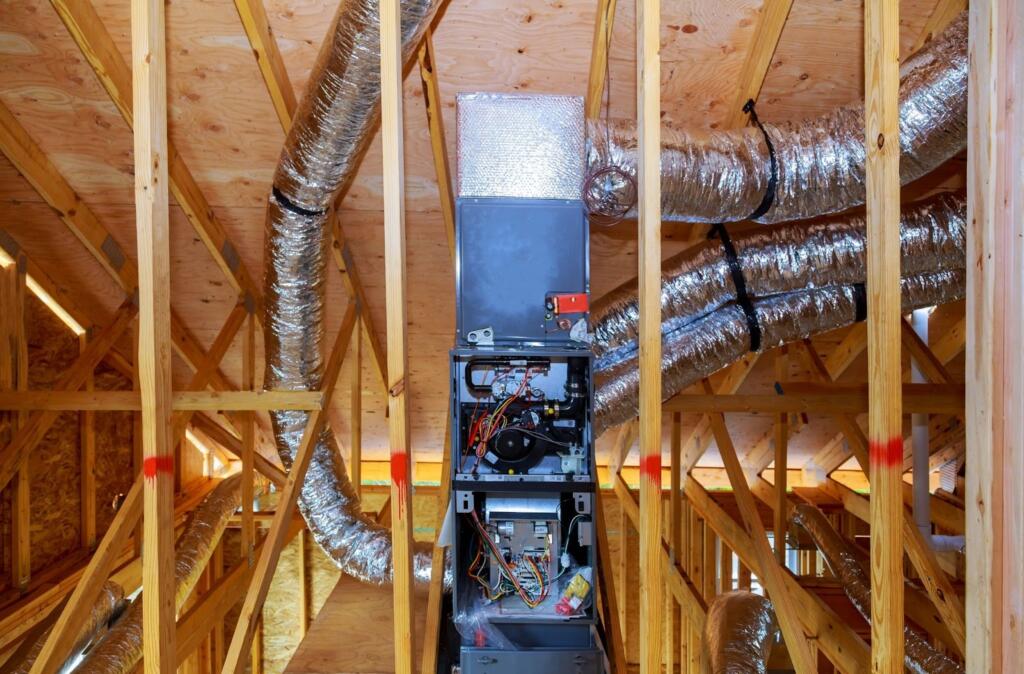
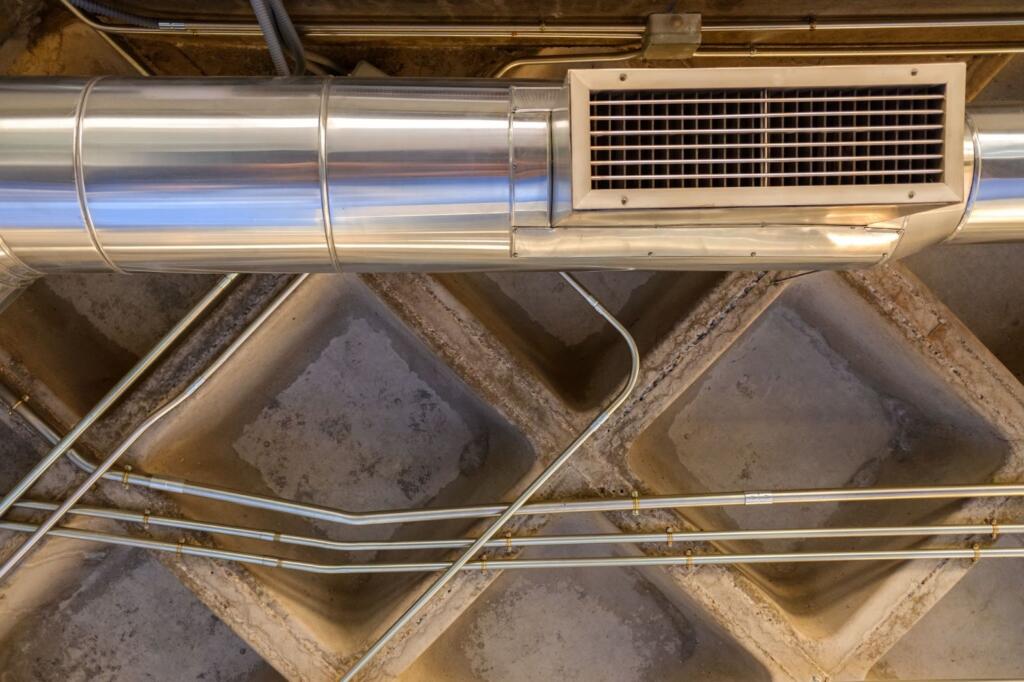
An ERV consists of two fans, a heat exchanger core, and air filters. One fan pulls fresh air into the home while the other exhausts stale air. The heat-exchange core allows heat and moisture to pass between the air streams without mixing them. Filters remove dust and debris before air enters living spaces. This component design supports efficient energy transfer and cleaner airflow. Each part works together to balance ventilation and energy savings.
How ERVs Integrate With HVAC Systems
Most energy recovery ventilators connect directly to central HVAC ductwork. This integration allows the system to distribute fresh air evenly throughout the home. Some units operate independently in smaller properties or retrofits. Contractors size the equipment based on square footage and occupancy levels. Proper integration prevents pressure imbalances and uneven airflow. This coordinated setup improves overall system performance and indoor comfort.
How an Energy Recovery Ventilator Works
An energy recovery ventilator continuously moves indoor and outdoor air through separate channels within a single unit. This system uses a heat-exchange core to transfer heat and humidity without mixing the air streams. The process moderates temperature differences before fresh air enters living spaces. Balanced airflow protects comfort while reducing strain on your HVAC equipment.
Air Exchange and Heat Transfer Process
The ERV pulls stale indoor air out while simultaneously drawing in fresh outdoor air. These two air streams pass through a specialized core that transfers heat energy between them. During winter, outgoing warm air preheats incoming cold air, reducing the furnace’s workload. During summer, outgoing cool air removes heat from incoming warm air, reducing air-conditioning demand. This heat exchange lowers overall energy consumption without sacrificing ventilation. The air never mixes, which keeps contaminants separated while still allowing energy transfer.
Year-Round Humidity Control
An energy recovery ventilator also regulates indoor humidity during the air exchange cycle. This moisture-transfer feature distinguishes it from standard exhaust fans or heat-only systems. In colder months, the unit retains some indoor moisture to reduce dryness. In warmer months, it expels excess humidity that can make rooms feel uncomfortable. Balanced humidity levels protect wood flooring, cabinetry, and painted surfaces from damage. Homeowners often notice improved comfort without frequent thermostat adjustments.
Continuous and Balanced Operation
An ERV operates continuously or on programmed cycles depending on household needs. Continuous operation maintains stable indoor air quality throughout the day. Balanced airflow means intake and exhaust rates remain equal. This balance prevents negative pressure that can draw unfiltered air through cracks. Modern systems include controls that adjust speed based on humidity levels. This automated function supports consistent ventilation without constant manual adjustments.
Benefits of Installing an ERV System
Installing an ERV system improves indoor air freshness while supporting energy efficiency. This ventilation upgrade helps reduce allergens, odors, and indoor air pollutants. Homeowners achieve a better balance of humidity and more consistent airflow throughout the house. The system operates quietly in the background and integrates with most residential HVAC setups.
Cleaner and Healthier Indoor Air
An energy recovery ventilator continuously replaces stale indoor air with filtered outdoor air. This steady exchange reduces concentrations of dust, pollen, and airborne irritants. It also disperses fumes from cleaning products and building materials more quickly. Cleaner air may reduce allergy symptoms and respiratory discomfort for sensitive occupants. Families with children or older adults often experience noticeable improvements in comfort. This air quality benefit supports a healthier living environment every day.
Reduced Energy Strain and Utility Costs
The energy recovery process limits the loss of heated or cooled air during ventilation. This efficiency reduces how often your furnace or air conditioner must cycle. Lower runtime decreases wear on critical HVAC components. Over time, homeowners may experience more predictable utility expenses, especially in climates with extreme temperature swings. The system allows fresh air circulation without dramatic increases in heating or cooling demand. This operational efficiency makes it a practical investment for long-term home performance.
Protection for Building Materials
Balanced humidity levels help protect the home’s structural elements. Excess moisture can warp wood framing and damage insulation. Dry air can cause cracks in hardwood floors and trim. An ERV moderates humidity before it becomes a problem. This environmental control reduces the likelihood of costly repairs. Homeowners gain peace of mind along with improved comfort.
ERV vs HRV: Understanding the Difference
An energy recovery ventilator and a heat recovery ventilator both exchange indoor and outdoor air, but they differ in how they handle moisture. This difference affects performance in various climates. ERVs transfer both heat and humidity between air streams. HRVs transfer heat only and do not regulate moisture levels.
Moisture Transfer Capabilities
An ERV balances indoor humidity by moving moisture between air streams. This feature helps prevent excessive dryness during the winter months. It also reduces incoming humidity during hot, humid summers. An HRV lacks this moisture exchange capability. Therefore, HRVs may be better suited to colder, drier regions. Climate conditions should guide your final choice.
Choosing the Right Ventilation Option
Homes in humid regions benefit more from an energy recovery ventilator because it limits indoor moisture buildup. In colder, drier climates, an HRV may perform adequately without increased humidity transfer. Household size also matters because more occupants generate more moisture and indoor pollutants. A qualified HVAC contractor can calculate proper airflow requirements based on square footage and occupancy. This professional assessment helps prevent oversizing and supports efficient system operation.
Energy Recovery Ventilator Installation
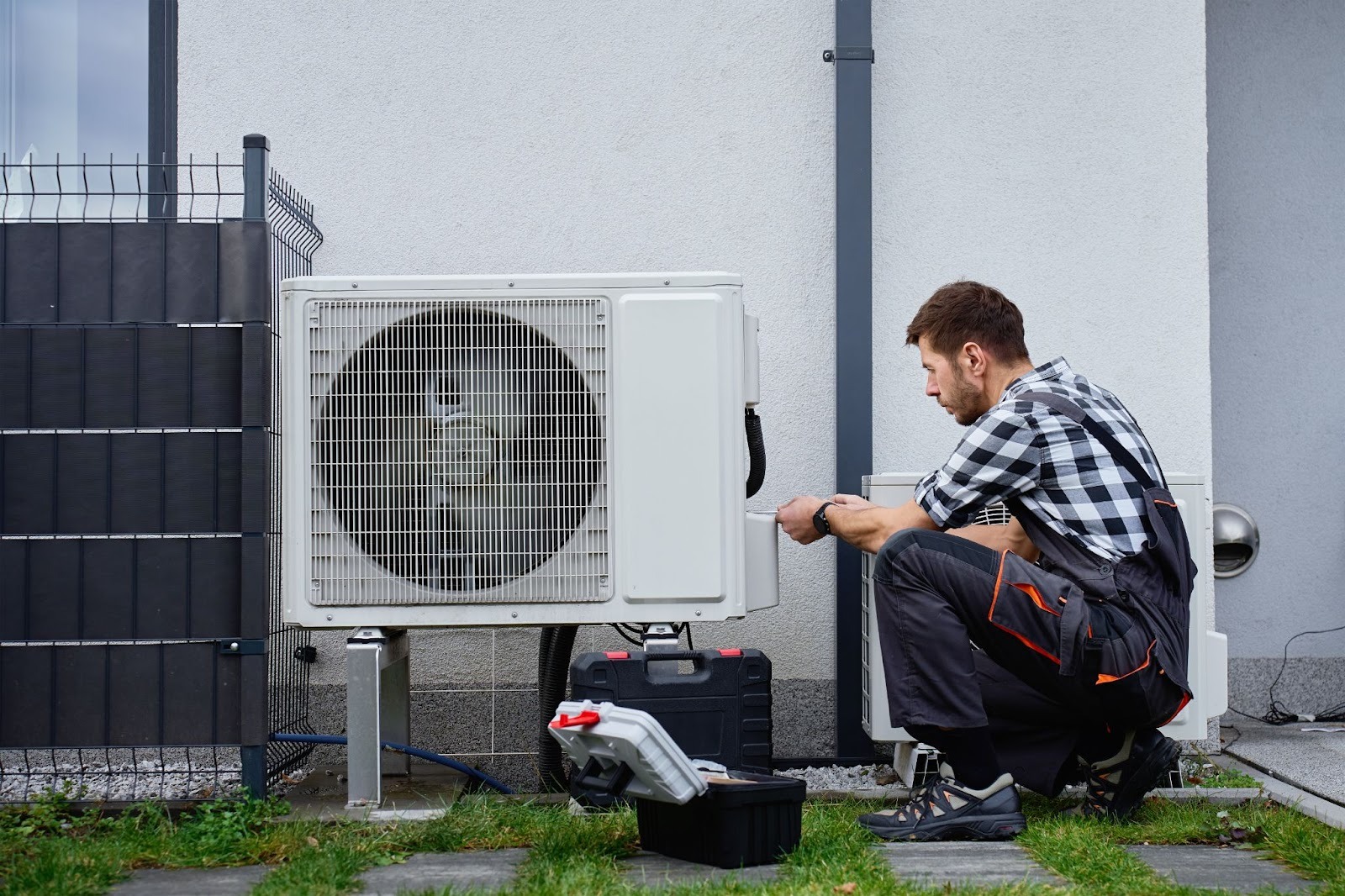
Professional installation ensures the system delivers balanced airflow and optimal efficiency. This installation process begins with an evaluation of the ductwork, insulation, and the home’s overall layout. Contractors determine the appropriate sizing to meet ventilation requirements while minimizing energy waste. Proper setup supports long-term comfort and reliable operation.
What to Expect During Setup
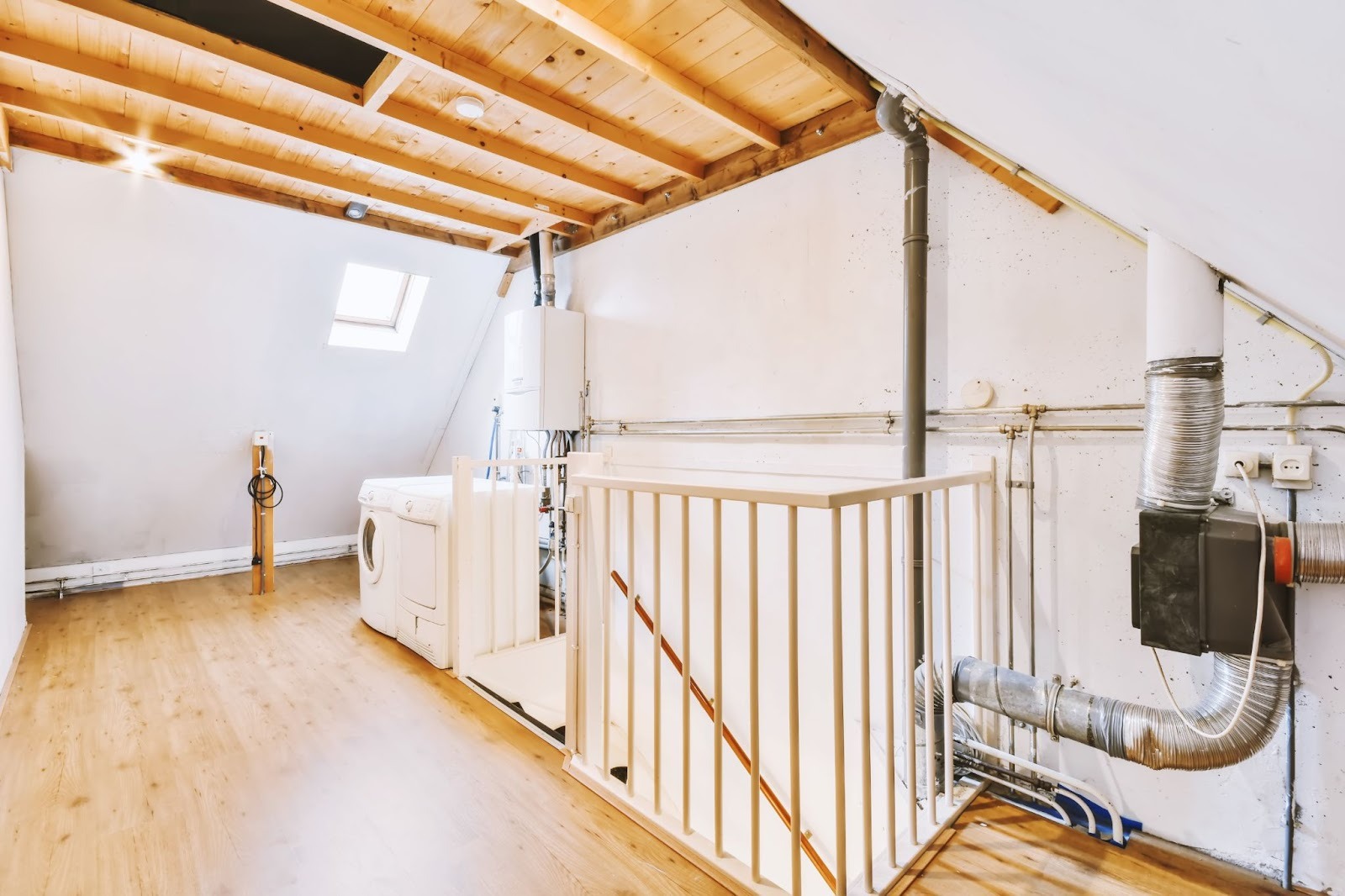
Technicians typically install the unit in a basement, attic, or utility room. They connect it to existing HVAC ductwork or install dedicated ventilation lines as needed. This configuration depends on your home’s structure and current mechanical systems. After installation, the contractor balances airflow to maintain equal intake and exhaust rates. Balanced ventilation prevents pressure issues that could draw unfiltered air through gaps. Routine follow-up inspections help confirm that the system operates as designed.
Importance of Professional Sizing
Proper sizing determines how effectively the ERV performs. An undersized unit may fail to provide adequate ventilation. An oversized unit may waste energy and create discomfort. Contractors calculate airflow needs based on square footage and occupancy. They also consider climate and insulation levels. Accurate sizing supports consistent air quality and efficiency.
ERV Maintenance and Service Needs
An energy recovery ventilator requires simple maintenance to maintain performance and airflow balance. This maintenance routine keeps internal components clean and operating efficiently. Homeowners can handle several tasks without advanced tools. Professional servicing provides additional protection and extends the system’s lifespan.
Filter Care and Cleaning Schedule
The unit contains intake and exhaust filters that capture dust and debris. This filtration system protects the heat exchange core from buildup that could restrict airflow. Homeowners should inspect filters every few months and clean or replace them as necessary. Dirty filters reduce efficiency and strain the fans. Clean filters improve airflow and promote healthier indoor air. Routine attention keeps the system running smoothly.
Annual Professional Inspection
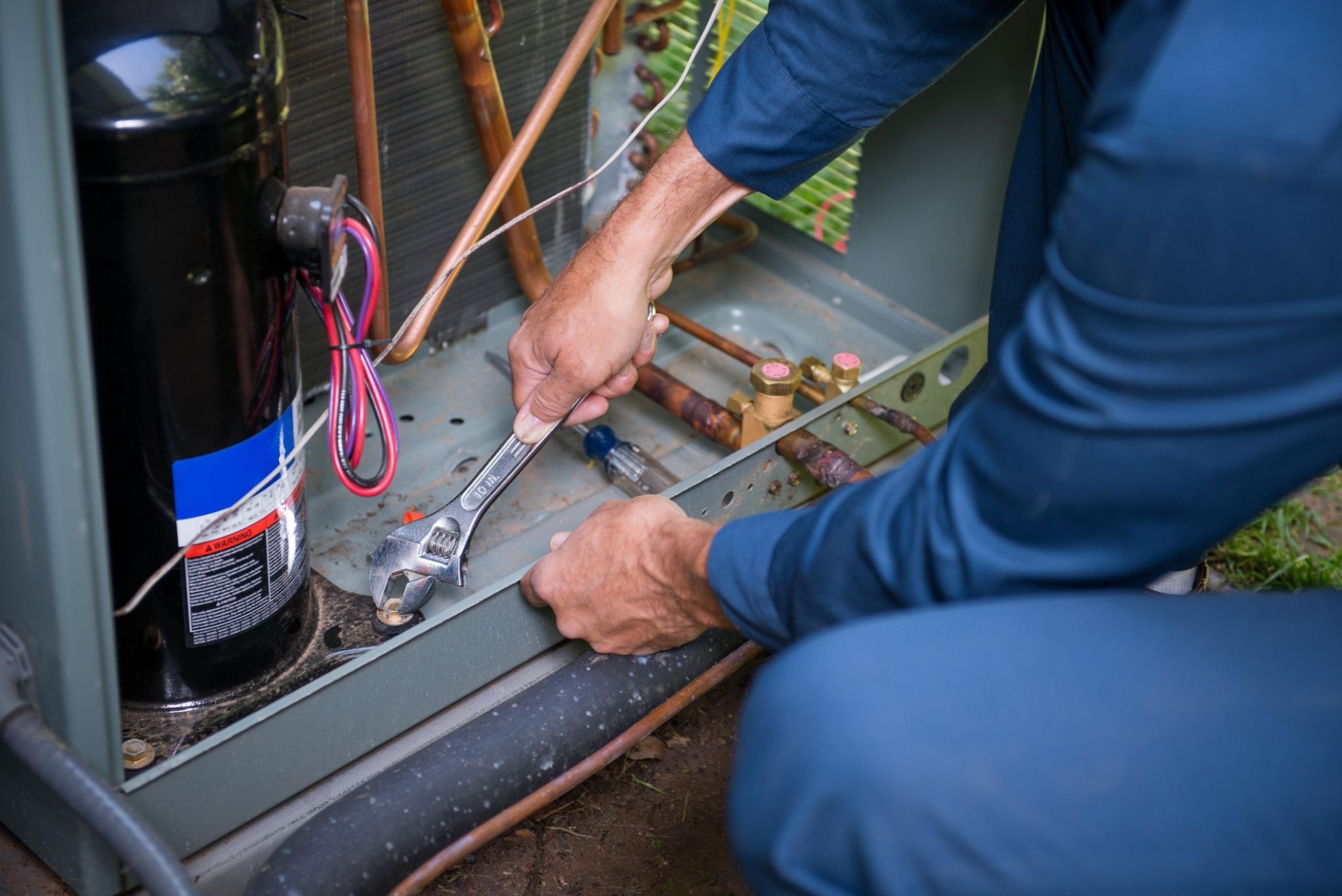
Licensed technicians should inspect the system annually. This inspection includes checking fan motors and electrical connections. Technicians also verify airflow balance and clean the heat exchange core. Minor adjustments can restore optimal performance if airflow shifts. Regular servicing reduces the risk of unexpected breakdowns. Consistent maintenance protects your investment over time.
Invest in an Energy Recovery Ventilator Today
An energy recovery ventilator delivers controlled, balanced airflow to your home without sacrificing the comfort you pay for. This upgrade addresses stale air, humidity swings, and rising energy demands with a single practical system. Instead of relying on guesswork or cracked windows, you gain consistent ventilation backed by proven building science. A qualified HVAC professional can assess your space and recommend the right configuration to help you create a healthier, more efficient home environment.
Continue learning how smarter ventilation improves your home’s comfort and efficiency.
Visit the Principe Heating & Cooling blog for expert insights and practical HVAC guidance you can trust.