
Your HVAC system keeps your home livable through heat waves and cold snaps. When it fails, comfort drops fast, and stress rises just as quickly. Most homeowners immediately worry about the repair costs and hidden service fees. Clear pricing details help you avoid overpaying for heating and cooling service. Reliable cost information gives you control before you schedule any technician.
What Determines HVAC Repair Cost?
HVAC repair costs depend on system type, level of damage, labor rates, and parts pricing. Contractors calculate pricing based on diagnostic time and replacement components. Regional demand and brand compatibility also influence final estimates. Understanding these cost factors helps homeowners interpret service quotes with confidence.
System Type and Equipment Complexity
HVAC repair pricing increases with system complexity and the use of specialized components. A basic central air conditioner costs less to repair than a variable-speed heat pump. Multi-zone systems require advanced controls and additional wiring. Technicians need more diagnostic time to service these configurations. Brand-specific parts often cost more. Complex systems, therefore, raise both labor and material expenses.
Age and Overall Unit Condition
Older HVAC units typically cost more to repair due to parts wear. Worn components strain connected systems and create secondary failures. Technicians often spend extra time assessing outdated designs. Replacement parts for discontinued models may cost more. This equipment condition also affects energy efficiency after repair. Aging systems, therefore, increase both immediate and long-term costs.
Extent of Damage or Failure
Minor HVAC repairs typically involve small electrical fixes or blocked drains. Extensive damage, such as compressor failure, demands deeper intervention. Larger repairs require refrigerant recovery and specialized tools. Technicians may test multiple components before confirming the issue. This diagnostic process increases labor charges. Broader system damage, therefore, leads to higher total service bills.
Labor Rates and Local Market Factors
HVAC repair labor rates vary by location and seasonal demand. Urban areas often charge higher hourly rates than rural markets. Peak summer and winter months increase emergency service pricing. After-hours calls typically include overtime fees. Local licensing requirements may also affect contractor costs. Regional market conditions, therefore, shape your final invoice.
Average HVAC Repair Cost in 2026
Most HVAC repair jobs cost between $150 and $600 for common residential issues. National data from HomeAdvisor and Angi support this pricing range. However, larger component replacements can cost more than $1,200. Reviewing typical price brackets helps homeowners set realistic expectations.
Diagnostic and Service Call Fees
Most contractors charge a diagnostic fee before performing HVAC repair. This service fee usually ranges from $75 to $150. The technician uses this visit to inspect electrical and mechanical components. Some companies credit this fee toward approved repairs. Others bill it separately regardless of the outcome. Always confirm the policy before authorizing work.
Minor Heating and Cooling Repairs
Minor HVAC repair typically costs between $100 and $300. Common fixes include replacing the thermostat or installing a capacitor. These components regulate system cycling and power flow. Technicians often complete these repairs within an hour. Parts remain widely available and relatively affordable. Quick attention prevents larger breakdowns later.
Mid-Level Component Replacement
Mid-range HVAC repair includes blower motors and fan assemblies. Costs generally range from $300 to $900. Labor increases because technicians access internal compartments. Motor calibration helps restore balanced airflow. Brand compatibility affects final part pricing. These repairs extend equipment lifespan when handled properly.
Large-Scale HVAC Repairs
Extensive HVAC repair often involves compressors or evaporator coils. Pricing can range from $1,000 to $2,500. The compressor circulates refrigerant, driving cooling performance. Replacement requires refrigerant recovery in accordance with EPA guidelines. Labor time increases due to safety protocols. High-cost repairs sometimes prompt replacement discussions.
Most Common HVAC Repairs Explained
Certain HVAC repair issues appear more frequently than others in residential homes. Recognizing these problems helps you estimate likely expenses. Clear descriptions also improve communication with service providers. The following repairs account for the majority of heating and cooling calls.
Thermostat and Control Board Issues
Thermostat malfunction ranks among the most common HVAC repair requests. Replacement costs range from $100 to $350, depending on the model. Smart thermostats may require rewiring or Wi-Fi configuration. Control boards manage timing and communication between components. Electrical surges often damage these boards unexpectedly. Repairing these controls restores consistent temperature regulation.
Refrigerant Leak and Recharge Costs
Refrigerant leaks reduce cooling capacity and strain compressors. Repair costs range from $200 to $1,000, depending on the location of the leak. Technicians must seal the damaged line before recharging refrigerant. Older refrigerants like R-22 cost more due to federal phaseouts. This refrigerant regulation impacts pricing in older systems. Accurate handling protects system performance and environmental standards.
Blower Motor and Airflow Problems
A blower motor failure reduces airflow throughout the home. HVAC repair for this issue ranges from $300 to $900. Technicians may replace only the capacitor in minor cases. Severe wear often requires full motor replacement. Proper installation prevents vibration and noise issues. Restored airflow improves indoor comfort immediately.
Compressor and Condenser Repairs
Compressor failure is among the most expensive HVAC repair scenarios. Replacement costs can exceed $2,000 depending on the brand. The condenser unit may also require inspection during service. Technicians follow strict refrigerant recovery guidelines. Warranty coverage sometimes reduces part expenses. Without warranty support, this repair can cost as much as a system replacement.
The Real Cost of Delaying HVAC Repair
Delaying HVAC repair often increases total costs far beyond the initial estimate. Small mechanical issues rarely stay small for long. Minor electrical strain spreads to connected components over time. Understanding these compounding expenses helps homeowners avoid preventable financial pressure.
Small Problems Trigger Expensive Failures
A failing capacitor may seem like a minor HVAC repair. However, this electrical component regulates voltage to the compressor and fan motor. When it weakens, the system draws irregular power, leading to overheating. Continued operation under strain can damage the compressor, which costs thousands to replace. A simple $200 repair can escalate into a multi-thousand-dollar expense. Addressing small defects promptly protects surrounding components and reduces total repair cost.
Higher Energy Bills Before Breakdown
Delayed HVAC repair often increases utility bills before visible failure occurs. Strained motors consume more electricity while delivering less airflow. Refrigerant leaks force the system to run longer cooling cycles. This extended runtime significantly increases monthly energy consumption. Homeowners may not immediately connect higher bills to mechanical stress. Over several months, excess energy usage can equal the cost of the original repair.
Emergency Service Costs More Than Scheduled Repairs
Waiting until the system fails often leads to emergency HVAC repair. After-hours or peak-season service calls carry premium labor rates. Contractors may charge overtime fees during extreme weather demand. Additionally, limited technician availability reduces price flexibility. Scheduled maintenance visits typically cost less and allow better planning. Proactive service prevents urgent breakdowns that strain both comfort and budget.
Repair or Replace Your HVAC System?
HVAC repair makes sense when costs remain proportional to the system’s value. Replacement becomes practical when repair expenses approach half the unit’s price. Contractors often apply the 50 percent cost rule for guidance. Evaluating efficiency and reliability helps clarify this financial decision.
The 50 Percent Cost Guideline
The 50 percent rule compares repair cost to replacement value. If HVAC repair costs more than half the price of a new unit, replacement may offer better value. This guideline provides a practical financial benchmark. However, system age also influences this decision. A five-year-old unit may justify higher repair spending. A fifteen-year-old unit rarely does.
Energy Efficiency and Utility Savings
Older HVAC systems consume more electricity per cooling cycle. Newer ENERGY STAR models lower monthly utility bills. Over several years, these savings offset installation expenses. Repairing an inefficient system delays potential cost reductions. Additionally, new units use environmentally compliant refrigerants. Energy efficiency, therefore, plays a financial and environmental role.
Ongoing Breakdowns and Reliability
Frequent HVAC repair signals declining system reliability. Repeated service visits quickly add up to cumulative expenses. Each repair may seem manageable in isolation. Together, these repairs often exceed the cost of replacement. Reliable performance protects comfort and indoor air quality. Long-term dependability often outweighs short-term savings.
How to Avoid Overpaying for HVAC Repair
Homeowners can control HVAC repair expenses with informed preparation. Comparing written estimates reveals fair market pricing. Clear warranty knowledge prevents unexpected charges. Preventive maintenance also reduces costly emergency visits.
Compare Detailed Written Estimates
Request at least two written HVAC repair quotes before approval. Each estimate should clearly separate parts and labor costs. Transparent breakdowns expose inflated pricing quickly. Contractors should explain recommended repairs in plain language. Avoid vague service descriptions without cost details. Careful comparison strengthens your negotiating position.
Check Manufacturer and Labor Warranties
Many HVAC brands offer limited part warranties. Labor coverage depends on contractor policies. Confirm eligibility before paying for replacement components. This warranty coverage can reduce the cost of high-cost compressor repairs. Keep documentation accessible for future claims. Clear warranty review protects your budget.
Schedule Preventive Maintenance Visits
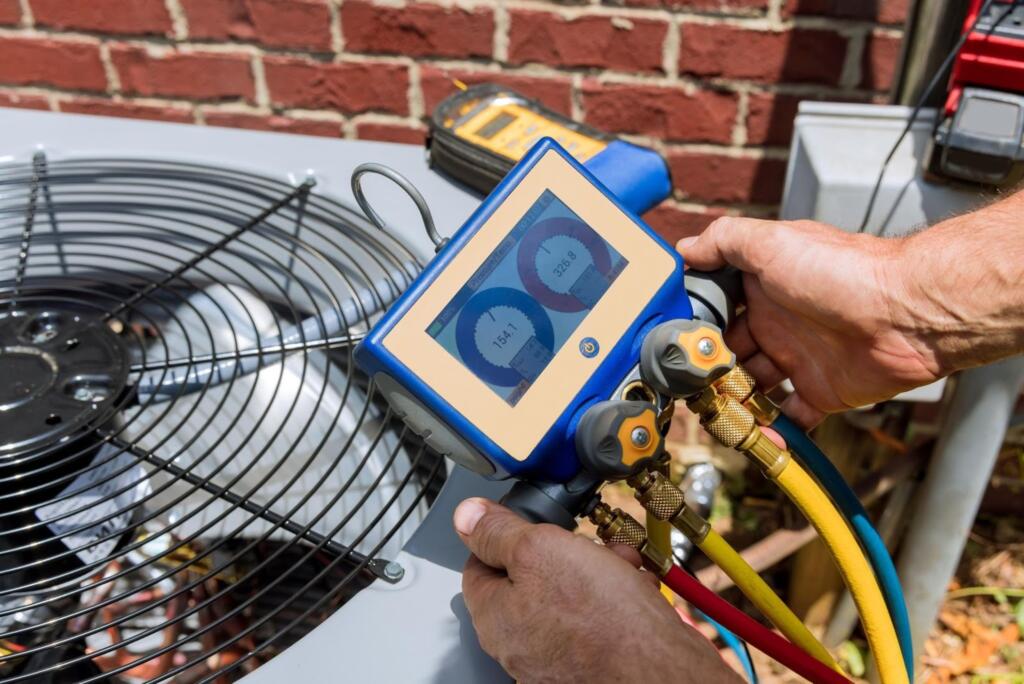
Routine maintenance reduces the frequency of HVAC repairs. Annual inspections catch worn parts before failure occurs. Technicians clean coils and test refrigerant pressure levels. This maintenance service improves system efficiency and lifespan. Many contractors offer maintenance plans with discounted repairs. Preventive care reduces the risk of sudden breakdowns.
Control HVAC Repair Costs Before They Escalate
HVAC repair should never feel like a gamble with your home’s comfort or budget. When you understand pricing drivers, warning signs, and timing, you reduce uncertainty and avoid reactive decisions. Delayed action often costs more than informed planning. Schedule a professional inspection at the first sign of trouble and approach every repair with clarity, comparison, and confidence.
Make informed HVAC decisions with confidence. Read the latest tips, cost breakdowns, and maintenance insights on the Principe Heating & Cooling blog today.