
Many homeowners notice that indoor air feels stale even when the house looks clean and well-maintained. Modern construction methods seal homes tightly, limiting natural airflow and allowing moisture and pollutants to linger. Opening windows can help briefly, but outdoor air often brings unwanted heat, humidity, or cold inside. Heating and cooling systems then work harder to stabilize temperatures. An energy recovery ventilator offers a controlled way to refresh indoor air while protecting comfort and energy use.
What an Energy Recovery Ventilator Does in a Home
An energy recovery ventilator replaces stale indoor air with fresh outdoor air while conserving heating and cooling energy. This system transfers heat and moisture between air streams, maintaining a stable level of comfort. Homeowners experience consistent ventilation without relying on leaks or open windows. That controlled exchange supports healthier indoor conditions year-round.
How an Energy Recovery Ventilator Works Daily
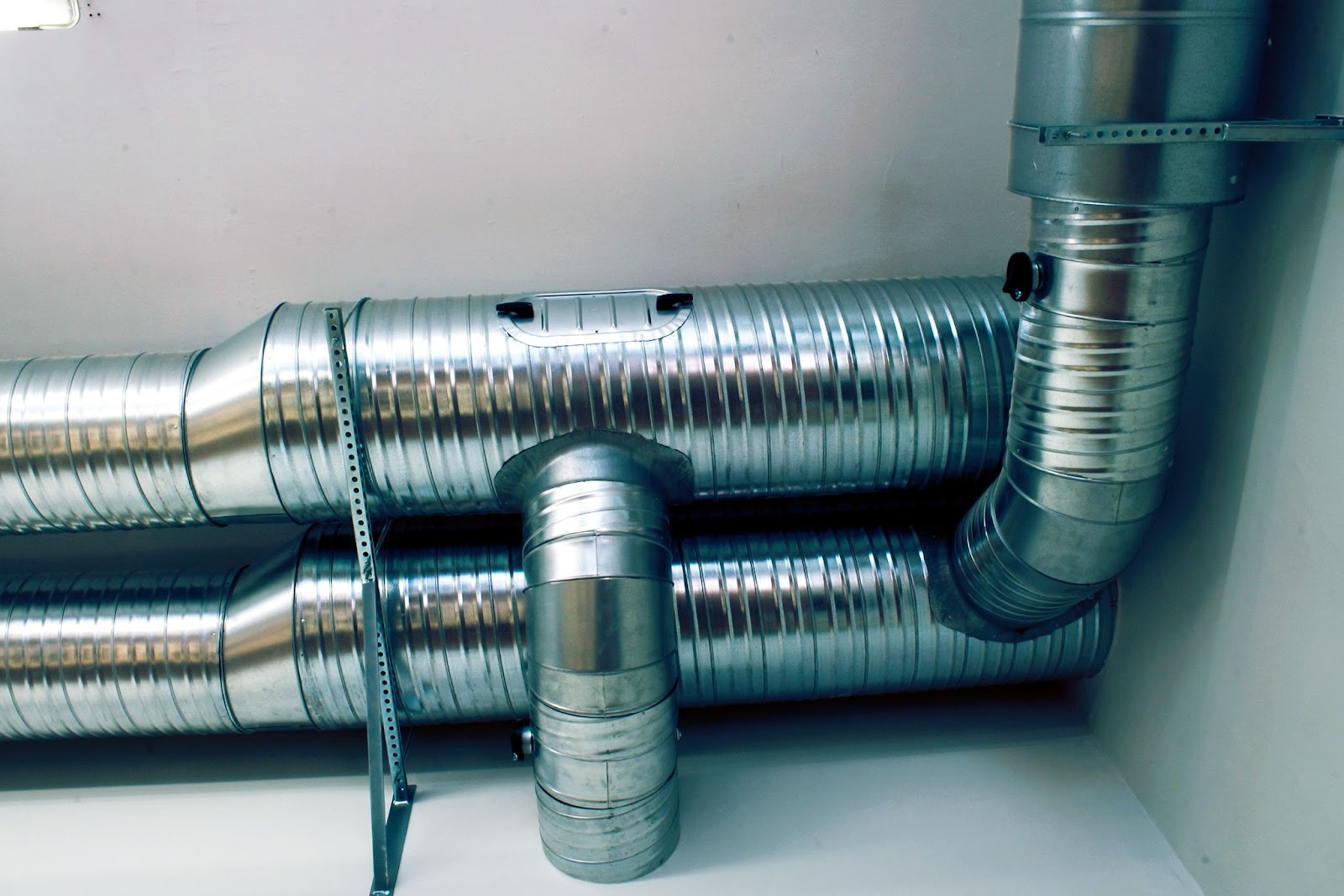
An energy recovery ventilator continuously pulls in fresh air and exhausts stale air. Both air streams pass through a heat-and-moisture-exchange core that allows energy transfer without mixing the air. This internal process reduces the demand placed on heating and cooling equipment. Indoor temperatures remain steadier because less conditioned air escapes. Air quality improves as pollutants leave the home at a constant rate. This daily operation runs quietly and requires little attention.
Why Airtight Homes Need Balanced Ventilation
Airtight homes reduce drafts and energy loss but restrict natural air replacement. Pollutants from cooking, cleaning, and breathing then build up more quickly indoors. Moisture levels also rise when there is no clear escape path. Mechanical ventilation restores balance by intentionally controlling airflow. Indoor pressure remains neutral instead of fluctuating. That stability improves comfort and air consistency.
How ERVs Support Healthier Indoor Air
Indoor air often contains dust, allergens, and chemical vapors from household products. Poor ventilation allows these particles to circulate longer than expected. An energy recovery ventilator continuously replaces contaminated air. Filters help clean incoming air before it reaches living spaces. This process supports easier breathing and improved comfort. Many homeowners notice fewer air quality complaints over time.
How Pressure Balance Affects Comfort and Durability
Air pressure inside a home influences how air, moisture, and pollutants move through walls and ceilings. Imbalanced pressure pulls outdoor air through gaps, carrying moisture and contaminants. Over time, this hidden airflow affects comfort and the condition of building materials. Energy recovery ventilators help stabilize indoor pressure by balancing intake and exhaust.
Negative Pressure and Hidden Air Intrusion
Negative pressure occurs when more air leaves the home than enters. Exhaust fans and leaky ductwork are often the cause of this condition. Outdoor air then enters through wall cavities and crawl spaces rather than through designed pathways. That uncontrolled airflow brings moisture and pollutants indoors. An energy recovery ventilator intentionally replaces exhausted air. Pressure remains neutral across the building envelope.
Positive Pressure and Moisture Risk
Positive pressure pushes indoor air into wall assemblies. Warm, humid indoor air can condense inside cooler wall cavities. Over time, this moisture damages insulation and framing. Many homeowners never see this process happening. Balanced ventilation prevents pressure buildup in either direction. This balance protects both comfort and structure.
When an Energy Recovery Ventilator Makes Sense
An energy recovery ventilator is suitable for homes where comfort problems persist despite properly installed HVAC equipment. Climate conditions influence how air enters and leaves a house. Household size and daily activity also affect indoor air quality. These combined factors often indicate when installation makes sense.
Using an Energy Recovery Ventilator in Humid Climates
Warm and humid climates introduce moisture whenever outdoor air enters the home. Excess humidity strains air conditioning systems and affects comfort. An energy recovery ventilator transfers moisture before fresh air reaches living areas. Indoor humidity levels remain more stable during cooling seasons. Air conditioners operate more efficiently under these conditions. Homes feel cooler without excessive system use.
Cold Climate Homes and Winter Ventilation
In cold climates, windows are kept closed for long periods during winter. Indoor air then becomes stale and dry over time. An energy recovery ventilator warms incoming air using the heat from outgoing air. Moisture exchange helps moderate dryness indoors. Heating systems cycle less frequently as a result. Living spaces feel fresher throughout the heating season.
Larger Households With Constant Occupancy
Homes with several occupants generate higher levels of humidity and carbon dioxide. Daily activities such as cooking and showering increase indoor air loads quickly. Opening windows often does not fit busy routines. An energy recovery ventilator provides continuous ventilation without manual effort. Air quality remains consistent regardless of occupancy. This steady airflow supports comfort throughout the day.
Signs a Home Needs an Energy Recovery Ventilator
Some homes show clear signs of poor ventilation over time. These indicators often appear gradually and go unnoticed. Homeowners may attribute them to cleaning habits or aging materials. Recognizing ventilation symptoms helps address the root cause.
Lingering Odors and Stale Indoor Air
Odors that linger after cooking suggest limited air exchange. Pet smells may persist despite regular cleaning. Fabrics and carpets absorb stale air over time. Exhaust fans remove air briefly but lack consistency. An energy recovery ventilator continuously removes odors throughout the day. Indoor air feels fresher across all rooms.
Moisture Buildup and Condensation Problems
Condensation on windows indicates excess indoor humidity. Bathrooms may stay damp long after showers finish. Basements often develop musty smells under these conditions. Dehumidifiers reduce moisture temporarily but do not balance airflow. An energy recovery ventilator manages moisture through controlled exchange. Balanced ventilation reduces condensation throughout the home.
Indoor Discomfort Without Obvious Causes
Some homes feel stuffy even when the temperature remains comfortable. Headaches or fatigue may occur indoors without explanation. Carbon dioxide levels rise in poorly ventilated spaces. Random air leaks fail to correct this imbalance. An energy recovery ventilator restores steady air replacement. Comfort improves without noticeable drafts.
Energy Recovery Ventilators and Home Longevity
Ventilation choices influence more than air quality. Moisture control affects insulation performance and material durability. Energy recovery ventilators manage humidity at the source. This control helps preserve building components over time.
Moisture Movement Inside Walls and Ceilings
Air carries moisture wherever it travels. Poor ventilation allows moisture to migrate into wall assemblies. Insulation loses effectiveness when damp. Wood framing experiences repeated moisture cycles. An energy recovery ventilator limits uncontrolled airflow. This stability protects hidden building layers.
Protecting Insulation Performance Over Time
Insulation relies on trapped air for effectiveness. Moisture disrupts that function. Damp insulation compresses and settles faster. Heating and cooling demands then increase. Balanced ventilation helps keep insulation dry. Performance remains consistent longer.
Energy Efficiency and Cost Considerations
Homeowners often worry that ventilation wastes energy. Traditional methods allow conditioned air to escape freely. Energy recovery ventilators reduce that loss through transfer technology. This approach supports comfort while managing operating costs.
How Energy Recovery Ventilators Reduce Energy Loss
Outgoing air transfers heat or cooling to incoming air. Heating and cooling systems work less to maintain indoor temperatures. Conditions remain consistent for longer periods. Reduced cycling lowers equipment strain. Energy use becomes more predictable throughout the year. Utility costs reflect this balance over time.
Installation and Operating Cost Expectations
Installation costs vary based on home layout and system type. Retrofitting older homes may require additional labor. Operating costs remain low due to efficient fan design. Filter replacement represents the primary maintenance expense. Energy savings offset costs gradually. Many homeowners find the comfort improvement worthwhile.
Long-Term Value Beyond Monthly Bills
Consistent ventilation protects building materials from moisture damage. Reduced humidity limits mold growth risks. HVAC equipment experiences less strain during operation. System lifespan may extend as a result. Daily comfort adds value beyond energy savings. These benefits accumulate throughout ownership.
Energy Recovery Ventilator Versus Other Systems
Ventilation options differ in how they manage airflow. Each method offers advantages and limitations. Understanding these differences prevents mismatched solutions. Energy recovery ventilators address multiple comfort factors at once.
Energy Recovery vs Heat Recovery Ventilator
Heat recovery ventilators transfer temperature but not moisture. This limitation affects comfort in mixed climates. Energy recovery ventilators manage both heat and humidity. Moisture control supports balanced indoor conditions. Climate plays a key role in system selection. Homeowners benefit from matching equipment to local needs.
Why Window Ventilation Falls Short
Window ventilation depends entirely on outdoor conditions. Temperature swings enter the home without moderation. Noise and security concerns reduce consistent use. Energy loss increases during extreme weather. Comfort remains unpredictable. Mechanical ventilation avoids these issues.
Limitations of Exhaust-Only Ventilation
Exhaust-only fans remove air without controlling replacement. Negative pressure develops indoors. Outdoor air enters through random gaps. Pollutants often follow those paths. Temperature imbalance becomes noticeable. Balanced systems correct this problem.
Best Time to Install an Energy Recovery Ventilator
Installation timing influences cost and complexity. Some projects allow easier integration. Others require additional planning. Homeowners benefit from informed timing decisions.
Installing During New Construction or Renovation
New construction allows straightforward duct placement. Renovations provide access to walls and ceilings. Installers coordinate systems with HVAC layouts. Installation costs often remain lower. Long-term comfort planning improves. Systems blend seamlessly into the home design.
Adding an Energy Recovery Ventilator to an Existing Home
Existing homes can still support effective installation. Ducted and ductless options offer flexibility. Installers evaluate airflow pathways carefully. Minor disruption may occur during setup. Results provide consistent air exchange. Older homes gain modern ventilation control.
Long-Term Care for an Energy Recovery Ventilator
Every ventilation system requires routine care. Energy recovery ventilators remain simple to maintain. Predictable upkeep appeals to many homeowners. Proper care supports long-term performance.
Routine Maintenance Homeowners Should Expect
Filters need regular cleaning or replacement. This maintenance step protects airflow quality—the exchange core benefits from periodic inspection. Outdoor vents must remain clear of debris. Tasks remain straightforward and infrequent. Many homeowners handle maintenance independently.
Operating the System for Consistent Comfort
System settings should reflect daily household routines. Seasonal adjustments help maintain balance. Smart controls may automate operation. Professional inspections catch issues before performance declines. Proper use reduces mechanical stress. Long-term reliability remains steady.
Improve Comfort With an Energy Recovery Ventilator
Indoor comfort depends on more than temperature settings and insulation quality. Air that moves with intention reduces moisture buildup, stabilizes pressure, and clears pollutants before they linger. An energy recovery ventilator supports that balance by refreshing indoor air while preserving the energy already inside the home. A conversation with an HVAC professional can help homeowners identify ventilation patterns and determine when this system becomes a practical improvement.
Stay informed on modern HVAC solutions and home comfort topics through the Principe Heating and Cooling blog.