

A heat pump keeps your home comfortable by working steadily through every season. Most homeowners think about heat pump repair only after comfort drops or energy bills spike. That delay allows minor mechanical problems to spread stress across the system. Rising utility costs and uneven temperatures usually signal deeper operational strain. Addressing heat pump issues at the right time protects comfort, limits expenses, and reduces the risk of disruptive breakdowns.
Heat Pump Repair And Everyday Home Comfort
Heat pump repair restores stable heating and cooling by correcting mechanical and electrical imbalances. Home comfort depends on consistent airflow, proper temperature control, and steady system operation. When repairs are delayed, performance drops and comfort issues arise throughout the house. Addressing faults quickly helps the system meet daily demands without unnecessary strain.
Balanced Heating And Cooling Across Rooms
Balanced heating and cooling depend on proper airflow and calibrated components. When airflow drops, some rooms feel colder while others overheat. This uneven distribution forces the system to work harder to compensate. Over time, the added workload increases internal wear and operating noise. Professional heat pump repair restores airflow balance and temperature consistency. Homeowners notice improved comfort without the need for constant thermostat adjustments.
Quieter Operation After System Corrections
Unusual sounds often indicate friction, loose parts, or electrical resistance. These noises tend to worsen as components wear down further. Continued operation under noisy conditions spreads vibration through the unit. This mechanical stress damages mounts, motors, and nearby connections. Heat pump repair reduces noise by correcting alignment and tightening components. Quiet operation often signals improved system health.
Faster Temperature Stabilization Indoors
Delayed heating or cooling response frustrates many homeowners. The system may run longer without reaching set temperatures. This extended runtime increases strain on internal components. Faulty sensors or controls often cause this behavior. Heat pump repair restores accurate temperature response. Faster stabilization improves comfort and energy efficiency.
Small Heat Pump Problems That Escalate Quickly
Heat pump issues usually start small but grow when left unattended. Minor faults place added strain on connected components. That strain spreads across the system and accelerates wear. Timely heat pump repair prevents these issues from escalating into broader failures.
Refrigerant Imbalance And Efficiency Loss
Refrigerant supports heat transfer during heating and cooling cycles. Low or uneven refrigerant levels reduce system efficiency. The compressor compensates by running longer under a heavier load. Continued strain raises operating temperatures and risks shutdown. Heat pump repair restores the correct refrigerant balance and pressure. Proper levels support efficient performance and component protection.
Electrical Wear And Control Issues
Electrical components manage communication between system parts. Loose wiring or worn contacts disrupt that communication. These disruptions cause irregular cycling and inconsistent performance. Continued electrical strain affects motors and control boards. Heat pump repair stabilizes electrical connections and restores proper signaling. Stable power flow supports reliable operation.
Restricted Airflow From Mechanical Wear
Airflow restrictions often develop from worn fans or clogged internal pathways. Reduced airflow limits heat exchange during operation. The system compensates by running longer cycles. Extended cycles raise internal temperatures and energy use. Heat pump repair restores airflow efficiency. Proper circulation protects connected components.
Cumulative Mechanical Stress Inside Heat Pump Systems
Cumulative mechanical stress explains why heat pumps often fail suddenly after long periods of mild issues. This system stress builds gradually as components compensate for unresolved faults. Each adjustment increases workload across connected parts. Heat pump repair interrupts this accumulation before tolerance limits collapse.
How One Unresolved Issue Affects Multiple Components
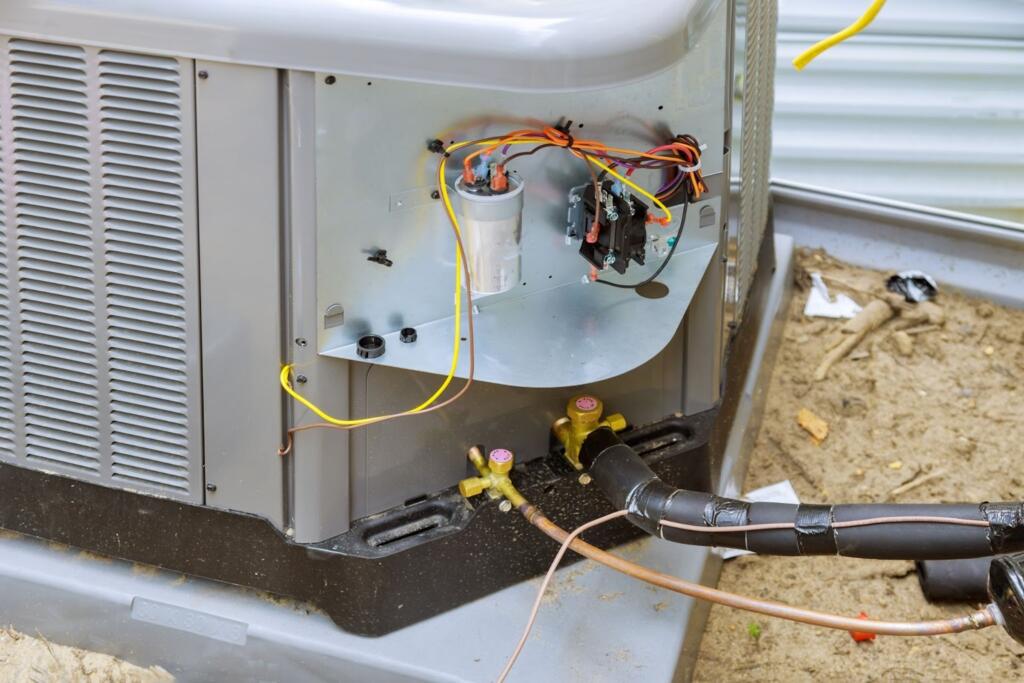
A single malfunction forces surrounding components to work harder. That added effort changes operating temperatures, pressure levels, and cycle durations. Over time, these adjustments simultaneously strain motors, valves, and electrical controls. Homeowners may notice the system still runs, which creates false confidence. Internal stress continues to build despite outward operation. Heat pump repair restores balance before secondary components suffer damage.
Why Sudden Failures Often Follow Long Quiet Periods
Many systems appear stable before unexpectedly breaking down. This apparent stability masks layered stress within the internal parts. Each cycle pushes components closer to their design limits. Eventually, multiple tolerances fail during the same operating window. The breakdown feels sudden, but the damage developed over months. Heat pump repair relieves pressure before these overlapping failures occur.
Mechanical Fatigue And Reduced Safety Margins
Mechanical fatigue develops when parts operate outside ideal ranges for extended periods. Bearings, seals, and coils lose resilience under repeated strain. Reduced safety margins make the system less forgiving of regular demand changes. Minor fluctuations then trigger serious malfunctions. Homeowners often misinterpret this failure as unavoidable. Heat pump repair restores operating margins and reduces fatigue accumulation.
Cost Impact Of Delayed Heat Pump Repair
Delayed heat pump repair increases operating costs and repair expenses. Small efficiency losses quietly raise monthly utility bills. Over time, these costs exceed the price of scheduled service. Addressing issues promptly supports better financial control for homeowners.
Higher Energy Bills From Reduced Efficiency
Reduced efficiency forces a heat pump to run longer cycles. Longer cycles consume more electricity each month. Homeowners often overlook gradual increases in energy statements. Seasonal demand can temporarily mask efficiency problems. Heat pump repair improves performance and lowers energy use. Consistent efficiency helps stabilize household expenses.
Emergency Service And Replacement Risks
Unexpected breakdowns often require urgent service calls. Emergency repairs typically cost more due to scheduling and labor demands. Component failures can trigger damage to surrounding parts. These cascading issues shorten system lifespan. Heat pump repair reduces the chance of emergencies. Planned service offers cost predictability and fewer disruptions.
Avoidable Long-Term Ownership Costs
Neglected repairs shorten equipment’s usable life. Premature replacements increase total ownership expenses. Planning for financing or replacement adds stress for homeowners. These costs often exceed the cost of routine repairs. Heat pump repair supports better budget control. Long-term savings improve household financial stability.
Repair Timing And Heat Pump Load Patterns
Repair timing matters because heat pumps experience different levels of stress under varying loads. System demand changes based on temperature swings, runtime length, and airflow resistance. Faults become more damaging when the system already operates under sustained load. Heat pump repair aligned with load patterns reduces the risk of cascading failures.
Load Imbalance During Extended Run Cycles
Extended run cycles occur when the system struggles to reach set temperatures. These cycles increase internal heat and electrical demand. Faulty components face higher resistance during prolonged operation—stress compounds with each uninterrupted cycle. Homeowners may notice higher bills without obvious failure signs. Heat pump repair shortens cycles and restores efficient load distribution.
Why High-Demand Periods Increase Failure Risk
High demand pushes systems closer to maximum capacity. Existing faults reduce available operating flexibility during these periods. Components lose the ability to absorb normal pressure fluctuations. Minor errors then trigger shutdowns or damage. Many failures occur during peak usage, not random moments. Heat pump repair reduces vulnerability by restoring system tolerance.
How Timing Influences Repair Outcomes
Repair performed under heavy system load carries a higher risk. Components already under strain respond poorly to continued operation. Delaying service allows stress patterns to deepen further. Corrective work becomes more complex once multiple parts weaken. Heat pump repair completed before load intensifies protects system integrity. Proper timing improves both repair effectiveness and longevity.
Heat Pump Repair And System Longevity
Heat pump repair extends equipment life by reducing operational stress. Components last longer when they operate within proper limits. Ongoing strain shortens service life and increases the risk of failure. Addressing issues promptly supports long-term reliability.
Reduced Wear On Compressors And Motors
Compressors and motors handle constant workload changes. Mechanical resistance increases heat and friction. Over time, excess heat degrades internal components. Continued operation under stress leads to premature failure. Heat pump repair restores balanced operation and cooling. Reduced strain supports longer component lifespan.
Seasonal Performance Stability
Seasonal temperature shifts test system capacity. Existing issues worsen during heavy heating or cooling demand. Performance drops when components cannot adapt efficiently. Repair corrects weaknesses before demand increases. Stable performance protects internal systems year-round. Consistency reduces unexpected downtime.
Protection Of Manufacturer Coverage
Many warranties require documented service and repair. Ignored issues may void coverage terms. Homeowners then assume full replacement costs. Repair records support warranty compliance. Heat pump repair maintains coverage eligibility. Protected warranties add long-term value.
Warning Signs That Indicate Heat Pump Repair
Heat pump repair becomes necessary when performance changes appear. Systems often signal trouble through behavior and sound. Recognizing these signs prevents extended damage. Addressing them promptly supports reliable operation.
Irregular Cycling And Runtime Changes
Short cycling occurs when the system turns on and off frequently. Long runtimes suggest reduced efficiency and airflow issues. Both patterns increase wear on electrical components. Energy use rises as performance drops. Heat pump repair restores proper cycling behavior. Normal runtimes support efficient operation.
Ice Buildup And Visible System Stress
Ice formation on outdoor units signals airflow or refrigerant issues. Frozen components block heat transfer. Continued operation under these conditions damages coils. Defrost cycles may fail repeatedly. Heat pump repair resolves airflow and pressure problems. Clear coils support safe operation.
Error Codes And Control Alerts
Modern systems display diagnostic alerts during faults. These codes identify specific operational problems. Ignoring alerts allows damage to progress unnoticed. Technicians use codes to speed diagnosis. Heat pump repair guided by diagnostics reduces downtime. Accurate corrections prevent repeat failures.
Choosing Heat Pump Repair Over Reactive Fixes
Heat pump repair provides stability compared to reactive solutions. Temporary fixes often mask deeper problems. Long-term reliability depends on addressing root causes. Planned service supports better performance control.
Scheduled Service And Household Convenience
Scheduled repairs allow homeowners to plan around their daily routines. Comfort disruptions remain minimal during service. Technicians work efficiently with proper access and time. Predictable scheduling reduces stress. Heat pump repair is more straightforward to fit household needs. Consistent service supports ongoing reliability.
Avoiding Short-Term Solutions
Quick fixes often provide brief relief. Underlying issues continue to stress components. Performance declines again after temporary improvements. Costs increase with repeated service calls. Heat pump repair focuses on permanent solutions. Proper correction delivers lasting results.
Schedule Heat Pump Repair Before System Stress Compounds
Heat pump repair becomes most valuable before discomfort and expense force urgent decisions. A system that receives attention at the right moment operates with less strain, steadier performance, and fewer interruptions. Delaying service allows hidden stress to tighten its grip on efficiency and reliability. Choosing professional heat pump repair today supports comfort, protects household budgets, and keeps control firmly in your hands.
Reliable comfort starts with informed decisions. Explore the Principe Heating and Cooling blog for expert perspectives on heat pump repair and home efficiency.
